Proximity light sensors, also known as photoelectric proximity sensors, are essential components in modern industrial automation and electrical engineering. These devices detect the presence, absence, or distance of objects using light beams, typically infrared, without physical contact. Their versatility and reliability make them indispensable across various sectors. In manufacturing assembly lines, proximity light sensors are strategically placed to monitor product positioning, count items, and ensure precise robotic arm movements. For instance, in automotive production, they verify the correct placement of components like windshields or doors, triggering alerts if misalignments occur.
In packaging and material handling, these sensors optimize efficiency by detecting package sizes on conveyor belts, enabling automated sorting and preventing jams. Warehouses utilize them in automated storage and retrieval systems to locate pallets and guide autonomous vehicles, enhancing inventory management. The electronics industry relies on proximity light sensors for PCB assembly, where they detect tiny components and verify solder paste application, minimizing defects.
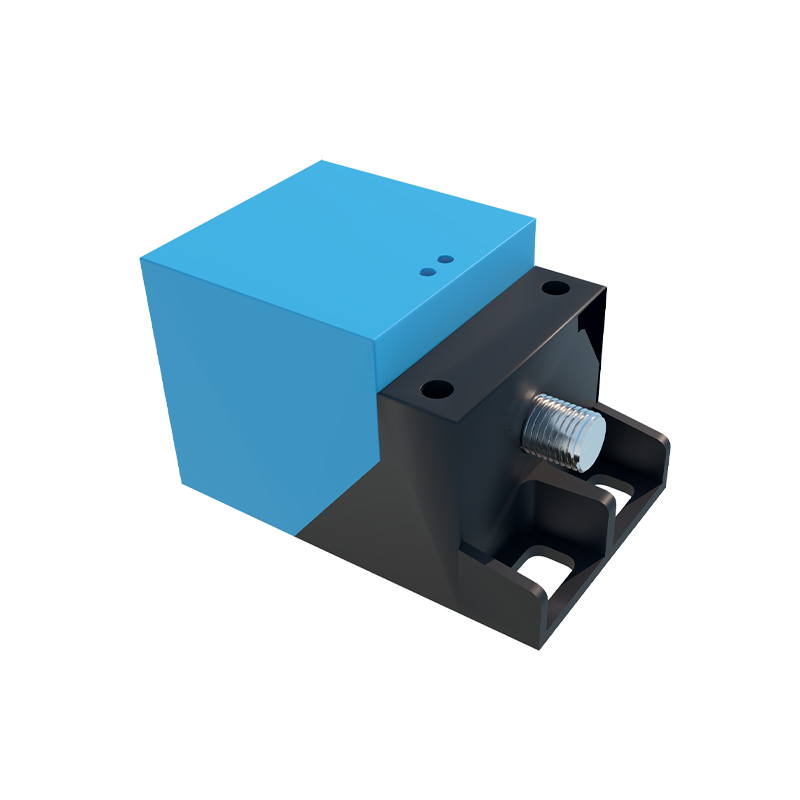
Safety applications are another critical area. In machinery guards, sensors create invisible light curtains that halt equipment when breached, protecting workers from hazards. Elevators and automatic doors employ them to prevent closing on obstacles, ensuring passenger safety. Additionally, in the renewable energy sector, such as solar panel installations, sensors assist in tracking sun movement for optimal energy capture.
Environmental durability is a key advantage, with many models rated IP67 or higher for resistance to dust, moisture, and vibrations. This allows deployment in harsh settings like mining or outdoor logistics. When selecting a proximity light sensor, factors like sensing range, response time, and output type (e.g., NPN/PNP) must align with application needs. Regular maintenance, including lens cleaning and alignment checks, ensures long-term accuracy. As Industry 4.0 advances, these sensors integrate with IoT systems, providing real-time data for predictive maintenance and smart factory operations. Overall, proximity light sensors are pivotal in enhancing productivity, safety, and automation across diverse industrial landscapes.