In the dynamic landscape of industrial automation, the demand for precision, reliability, and adaptability in sensing technology is paramount. Among the various sensor types, cylindrical proximity sensors stand out for their robustness and versatility in detecting the presence or absence of metallic and, in some cases, non-metallic objects without physical contact. While off-the-shelf models serve many applications, the complexities of modern manufacturing, material handling, and machinery often necessitate a custom approach to sensor design and integration. Customizing cylindrical proximity sensors is not merely a luxury but a strategic engineering decision to optimize performance, enhance system efficiency, and ensure long-term operational stability.
The primary driver for customization is the specific environmental and operational challenge. Standard sensors may falter under extreme conditions. For instance, in metalworking or foundry applications, sensors are exposed to high temperatures, metallic dust, and coolant sprays. A custom cylindrical sensor can be engineered with specialized housing materials, such as stainless steel grades resistant to specific corrosives, or with high-temperature epoxy potting to protect internal electronics. The sealing integrity, typically rated by IP (Ingress Protection) or NEMA standards, can be elevated. A bespoke design might achieve an IP69K rating, ensuring the sensor withstands high-pressure, high-temperature washdowns common in food & beverage or pharmaceutical packaging lines, where hygiene is critical.
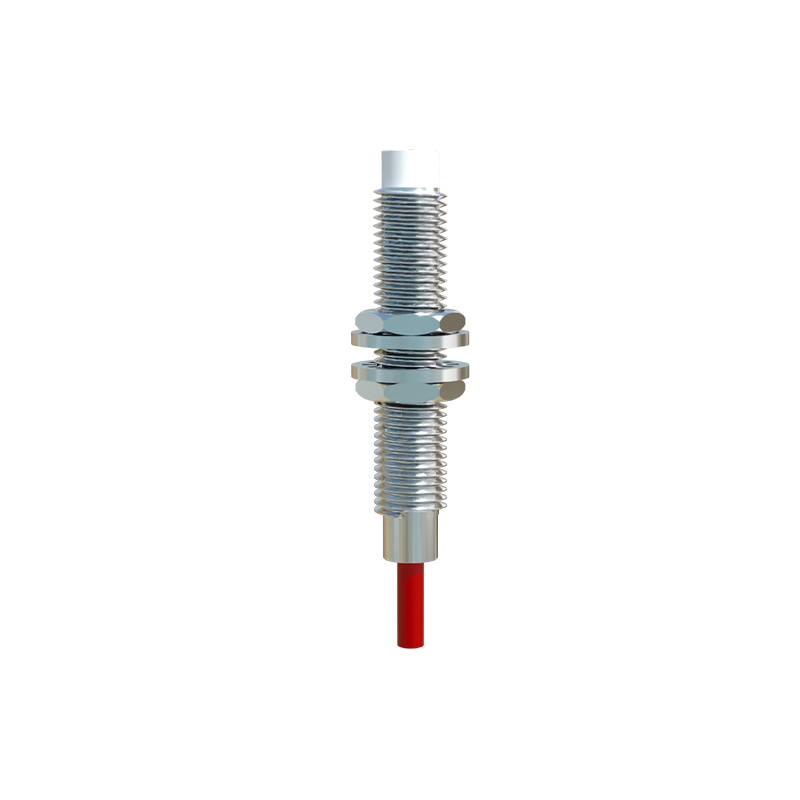
Another critical dimension of customization is the sensing range and field characteristics. The standard sensing distance, defined by the sensor's diameter and technology (inductive, capacitive, or magnetic), might not suit a unique mechanical layout. Engineers can tailor the sensing range, either extending it for applications requiring early detection or reducing it to prevent interference from non-target objects in congested spaces. The shape of the sensing field can also be modified. A standard cylindrical inductive sensor has a hemispherical detection field. However, a customized version can be designed with a shielded or "flush-mountable" face, creating a narrower, more focused field. This allows the sensor to be mounted flush with a metal bracket without the bracket itself triggering the sensor, solving installation challenges in tight metallic enclosures.
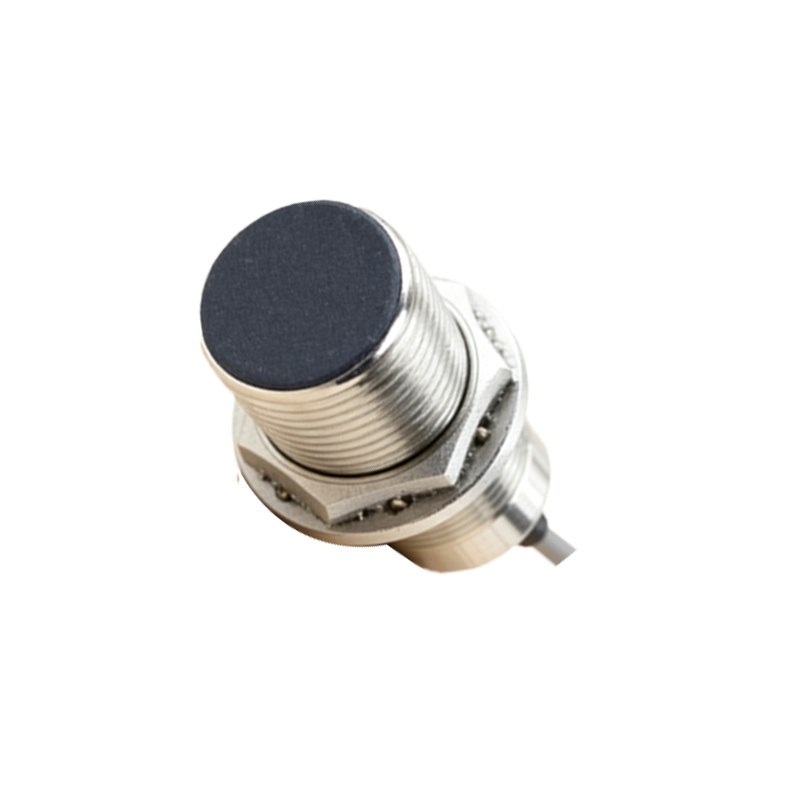
Electrical output and connection customization is equally vital. While PNP (sourcing) or NPN (sinking) DC outputs are common, specific PLC (Programmable Logic Controller) or control system architectures may require analog outputs (4-20mA, 0-10V) for distance-proportional signaling, or specialized switching frequencies for high-speed applications like counting small parts on a fast conveyor. The physical connection interface often requires tailoring. Instead of a standard cable outlet or M12 connector, a custom design might integrate a long, abrasion-resistant cable with a specific jacket material for flexibility in cold environments, or it might feature a junction box connection for easier maintenance in distributed systems. For hazardous locations, intrinsic safety (IS) or explosion-proof (Ex d) certifications can be incorporated into the custom design from the outset, a process far more efficient than retrofitting a standard unit.
The core sensing technology itself can be selected and tuned. For detecting non-ferrous metals like aluminum, copper, or brass, a standard inductive sensor may have a reduced range. A customized high-frequency oscillation inductive sensor can be developed to ensure stable and increased sensing distances for these materials. In applications requiring detection of liquids, powders, or glass, a capacitive cylindrical sensor can be customized with sensitivity adjustment mechanisms and housing designs that minimize the effects of container wall thickness or environmental humidity.
The process of customizing a cylindrical proximity sensor is a collaborative engineering endeavor. It begins with a thorough analysis of the application: target material, required sensing distance, environmental stressors (temperature, pressure, chemicals), electrical specifications, mounting constraints, and required certifications. Prototyping and rigorous testing under simulated real-world conditions are essential phases. This ensures that the custom sensor not only meets the theoretical specifications but performs reliably in the actual harsh industrial milieu.
Ultimately, investing in customized cylindrical proximity sensors translates to reduced downtime, fewer false triggers, lower long-term replacement costs, and seamless integration into sophisticated automated systems. It moves beyond simple detection to providing a tailored sensing solution that acts as a reliable and intelligent data point within the broader Industrial Internet of Things (IIoT) ecosystem. By addressing the unique nuances of each application, custom sensor solutions empower engineers to build more resilient, efficient, and innovative industrial machinery and processes.