In the high-stakes world of modern manufacturing, particularly within the automotive, aerospace, and energy sectors, the integrity of a weld is non-negotiable. A single flawed seam can lead to catastrophic failure, immense cost, and compromised safety. This is where laser weld monitoring sensors have transitioned from a valuable tool to an indispensable component of the production line. These sophisticated systems provide real-time, non-contact inspection, ensuring weld quality with unprecedented accuracy and reliability. Unlike post-process inspection methods, they offer the critical advantage of immediate feedback, allowing for in-process corrections and virtually eliminating the production of defective parts.
At the core of this technology is the principle of analyzing the optical emissions from the welding plasma, also known as the weld plume. During laser welding, the intense laser beam interacts with the material, creating a localized plasma cloud. This plasma emits radiation across a broad spectrum, including visible light and infrared. A laser weld monitoring sensor, typically positioned coaxially with the welding laser or at a strategic off-axis angle, captures this emitted light. Advanced optical filters isolate specific wavelengths that are most indicative of the welding process's health. Key parameters such as plasma intensity, temperature, and spatial distribution are measured and analyzed in real-time.
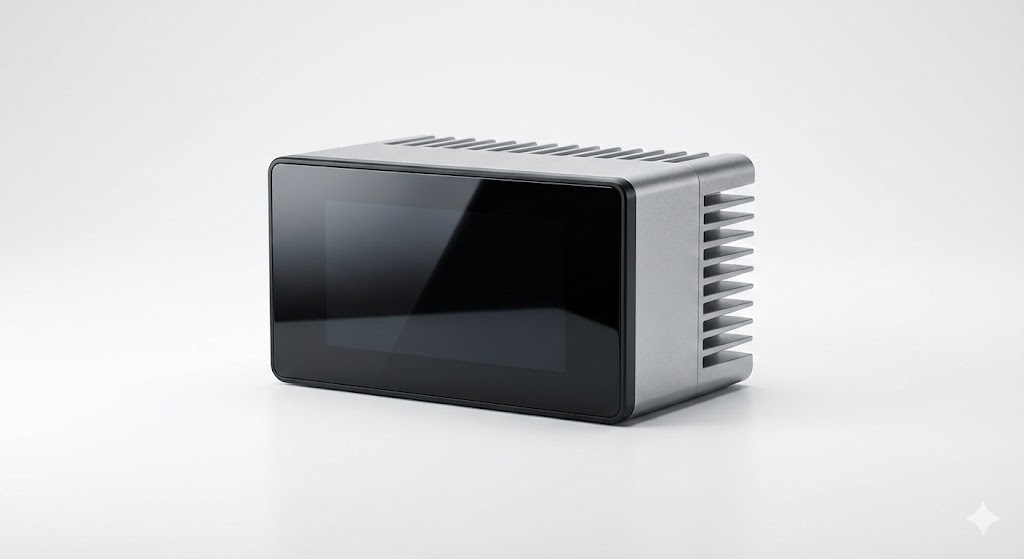
The true power of these systems lies in their data processing capabilities. Modern sensors are integrated with powerful algorithms and software that correlate the captured optical signals with specific weld defects. For instance, a sudden drop in plasma intensity might indicate a lack of penetration, while an erratic or asymmetric plasma shape could signal porosity, spatter, or a gap mismatch between the materials. The system compares the real-time data against predefined acceptance criteria or learned patterns from known good welds. When a parameter drifts outside the acceptable window, the sensor triggers an alarm. In advanced closed-loop systems, this signal can even be fed back to the laser controller to automatically adjust parameters like power or speed to correct the issue on the fly.
The applications are vast and transformative. In battery manufacturing for electric vehicles, monitoring the welding of cell tabs and busbars is critical to ensure low electrical resistance and prevent thermal runaway. In the production of airframe components or turbine blades, sensors guarantee the integrity of seams that will endure extreme stress and temperature cycles. Furthermore, these systems are pivotal for process documentation and traceability. Every weld's data profile is logged, creating a complete digital record for quality assurance and compliance with stringent industry standards.
When selecting a laser weld monitoring system, engineers must consider several key factors. Spectral range and resolution determine which process signatures the sensor can detect. Sampling rate is crucial for high-speed welding applications to ensure no defect goes unnoticed. Integration ease with existing laser welding heads and factory networks (like PLCs or industrial IoT platforms) is essential for streamlined implementation. Finally, the robustness of the sensor to withstand the harsh industrial environment—including spatter, dust, and electromagnetic interference—is a fundamental requirement.
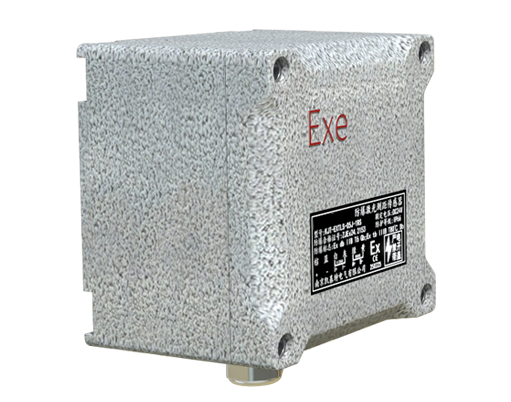
Looking ahead, the future of laser weld monitoring is intertwined with Industry 4.0 and artificial intelligence. Next-generation sensors will not only detect defects but predict them by analyzing subtle trends in the data before a fault occurs. Deeper integration with digital twins will allow for virtual process optimization. As laser welding continues to evolve with new materials and higher power, the role of intelligent, adaptive monitoring sensors will only become more central, solidifying their status as the guardians of quality in precision manufacturing.