In the realm of industrial automation and precision engineering, Helium laser distance sensors have emerged as a cornerstone technology, enabling accurate, non-contact measurement across a diverse range of applications. These sensors utilize a focused beam of light, typically from a laser diode, to determine the distance to a target object by measuring the time it takes for the light to reflect back to the sensor or by analyzing phase shifts. The integration of Helium technology, often referring to advanced, stable laser sources, enhances performance in terms of coherence, beam quality, and operational longevity, making these sensors indispensable in environments demanding high reliability.
The fundamental operating principle revolves around time-of-flight (ToF) or phase-shift measurement. In ToF systems, the sensor calculates distance based on the precise time interval between the emission and reception of the laser pulse. This method is highly effective for long-range measurements, often spanning several hundred meters, with millimeter-level accuracy. Conversely, phase-shift systems modulate the laser beam's intensity and compare the phase difference between the outgoing and incoming signals. This approach excels in short to medium-range applications, offering sub-millimeter precision, which is critical in fields like semiconductor manufacturing, automotive assembly, and robotics.
One of the primary advantages of Helium laser distance sensors is their ability to perform non-contact measurements. This characteristic eliminates mechanical wear, reduces maintenance costs, and allows for the inspection of delicate, hot, or moving surfaces without physical interference. For instance, in the automotive industry, these sensors are deployed for precise gap and flush measurement between body panels, ensuring quality control and aerodynamic efficiency. In logistics and warehousing, they facilitate automated dimensioning of packages, optimizing storage space and streamlining shipping processes. Furthermore, in construction and civil engineering, they enable accurate surveying, leveling, and monitoring of structural deformations over time.

Environmental robustness is another key feature. High-quality Helium laser sensors are designed to withstand harsh industrial conditions, including temperature fluctuations, dust, vibration, and ambient light interference. Many models feature IP67 or higher ingress protection ratings, ensuring reliable operation in outdoor or demanding factory settings. This durability, combined with low power consumption and compact form factors, allows for seamless integration into existing machinery and Internet of Things (IoT) ecosystems, supporting the trend towards smart manufacturing and Industry 4.0.
The selection of an appropriate Helium laser distance sensor depends on several technical parameters. Measurement range, accuracy, resolution, and response time must be carefully matched to the application's requirements. For high-speed production lines, a fast response time is paramount to maintain throughput. In contrast, scientific research or metrology labs may prioritize ultra-high resolution and stability. Additionally, interface options—such as analog outputs (4-20 mA, 0-10 V), digital protocols (RS-232, RS-485, Ethernet), or industrial fieldbuses (PROFIBUS, EtherCAT)—determine how easily the sensor communicates with programmable logic controllers (PLCs) or supervisory control and data acquisition (SCADA) systems.
Looking ahead, advancements in laser technology and signal processing algorithms continue to push the boundaries of what is possible. Emerging trends include the development of multi-function sensors that combine distance measurement with profile scanning or color detection, enhancing their utility in complex inspection tasks. Furthermore, the integration of artificial intelligence for predictive maintenance and adaptive calibration is set to improve system autonomy and reduce downtime. As industries increasingly prioritize efficiency, safety, and data-driven decision-making, Helium laser distance sensors will remain vital tools, evolving to meet the ever-growing demands for precision and connectivity in the modern industrial landscape.
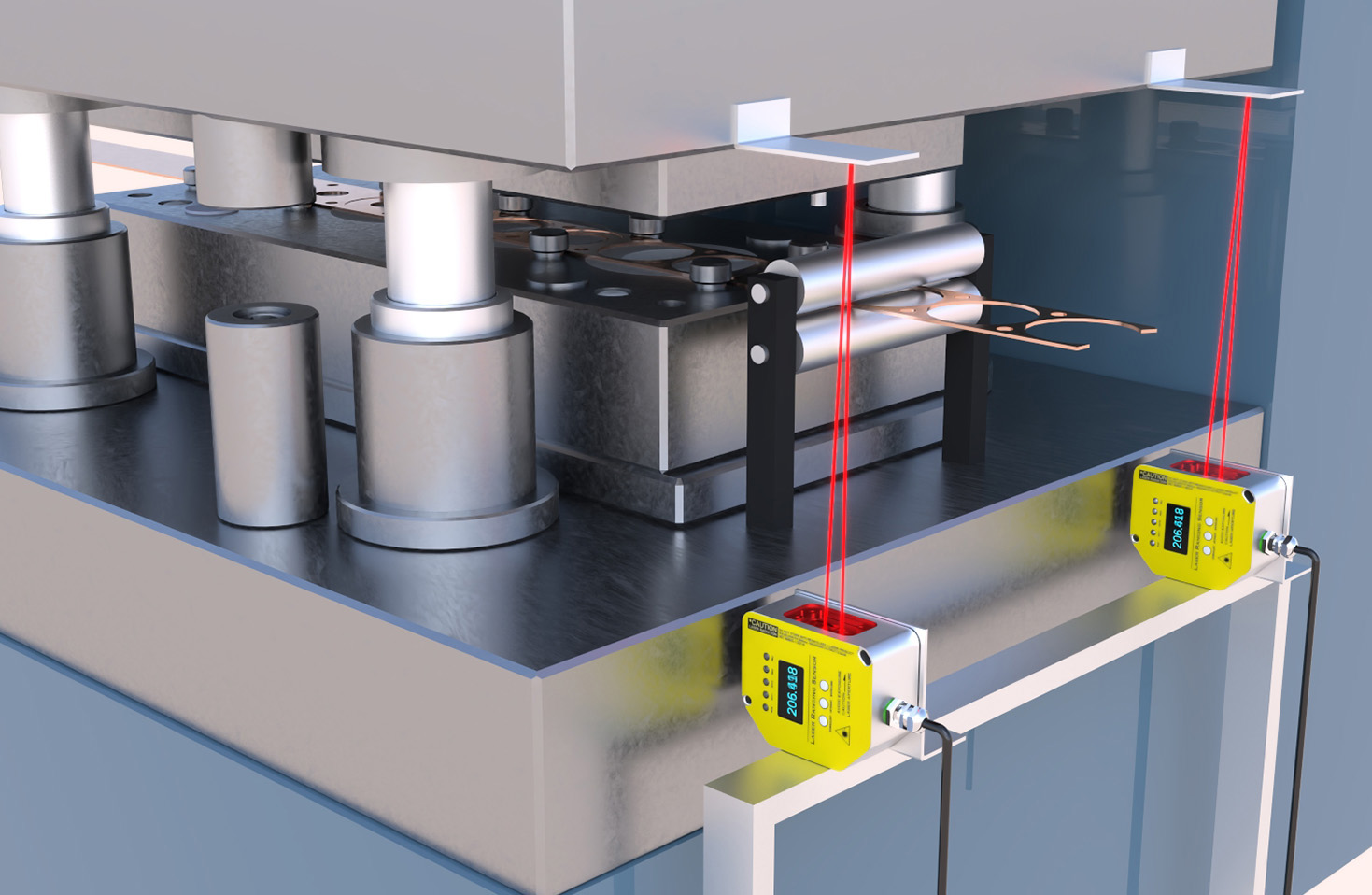
In conclusion, Helium laser distance sensors represent a mature yet dynamically advancing technology. Their precision, versatility, and robustness solve critical measurement challenges across sectors from manufacturing to infrastructure. By understanding their operating principles, benefits, and selection criteria, engineers and technicians can effectively leverage these sensors to enhance process control, ensure product quality, and drive operational excellence in an increasingly automated world.
