In the demanding world of heavy machinery, the loader stands as a cornerstone of productivity across construction, mining, and material handling sectors. While the raw power of its hydraulics and the robustness of its structure are often highlighted, a silent yet pivotal revolution has been occurring at the periphery of these machines. This transformation is driven by the integration of advanced proximity sensors, components that have evolved from optional add-ons to indispensable elements for operational efficiency, machine longevity, and, most critically, worksite safety.
At its core, a proximity sensor on a loader is a non-contact electronic device designed to detect the presence or absence of an object within a predefined range. Unlike mechanical limit switches that require physical contact, these sensors operate using electromagnetic fields, infrared light, or ultrasonic waves. This fundamental characteristic makes them ideal for the harsh, vibration-intensive, and debris-ridden environments where loaders operate. Their primary function is to provide real-time, actionable data to the machine's control system, enabling automated responses and providing crucial warnings to the operator.
The applications and benefits are multifaceted. One of the most significant roles is in load management and boom positioning. Sensors mounted on the boom arms and linkage can precisely detect the bucket's angle and height. This data is fed into the control system to prevent over-extension or over-lowering, which can strain hydraulic cylinders and structural components. Furthermore, in automated loading cycles, sensors ensure the bucket reaches the optimal dump height and return position, enhancing cycle consistency and reducing operator fatigue.
Anti-collision and blind-spot monitoring represent another critical domain. Large loaders have substantial blind spots, especially to the rear and sides. Radar or ultrasonic proximity sensors create an invisible detection zone around the machine. If a person, vehicle, or obstacle enters this zone, the system triggers immediate visual and audible alarms in the cab. More advanced systems can even initiate automatic braking or restrict machine movement in the direction of the hazard, forming a vital layer of protection against tragic incidents.
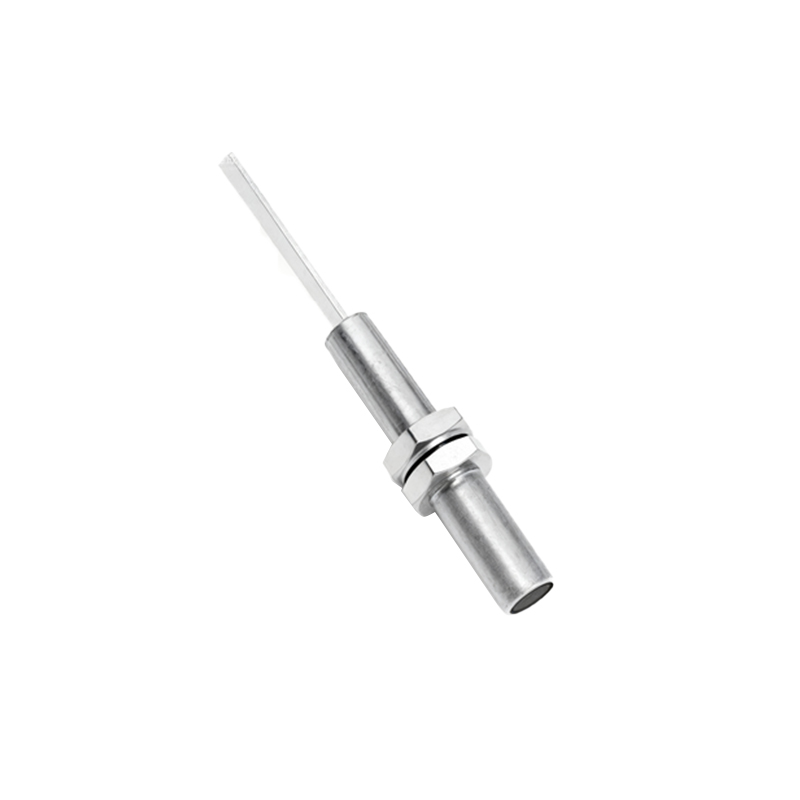
Payload measurement systems in modern loaders heavily rely on a network of pressure and position sensors, including proximity types. By accurately sensing the position of the lift arms and the pressure within the hydraulic cylinders, the system can calculate the weight of the material in the bucket in real-time. This prevents overloading, which is detrimental to truck tires and axles during loading operations, and underloading, which reduces efficiency. Accurate payload data directly translates to better fleet management, cost control, and compliance with weight regulations.
Moreover, proximity sensors are integral to predictive maintenance strategies. Vibration sensors monitor the health of critical components like pumps, motors, and bearings. Temperature sensors keep track of hydraulic fluid and brake systems. By detecting abnormal vibrations or temperature rises that precede a failure, these sensors enable maintenance teams to schedule repairs during planned downtime, avoiding catastrophic breakdowns that lead to expensive repairs and prolonged project delays.
The implementation of these sensors also elevates operator assistance and comfort. Systems like automatic return-to-dig or self-leveling of the bucket utilize sensor feedback to perform repetitive tasks with precision, allowing the operator to focus on broader site management. This not only boosts productivity but also reduces the skill threshold required for efficient operation, helping to address industry-wide operator shortages.
In conclusion, the humble proximity sensor is far more than a simple switch on a modern loader. It is the linchpin of a sophisticated data ecosystem that transforms a powerful but blunt machine into an intelligent, responsive, and safe partner. The continuous data stream from these sensors enables automation, prevents accidents, protects the machine's vital components, and provides invaluable operational insights. As the industry marches towards greater automation and connectivity, with concepts like remote operation and fully autonomous sites on the horizon, the role of reliable, robust proximity sensing will only become more profound. For any fleet manager or owner, investing in and maintaining these sensory systems is not merely a technical consideration; it is a direct investment in productivity, asset health, and human safety.