In the realm of industrial automation and control systems, proximity sensors are indispensable components. Their ability to detect the presence or absence of an object without physical contact makes them critical for countless applications, from assembly lines and robotics to safety systems and consumer electronics. For engineers and procurement specialists, the question "Where to find proximity sensors?" is fundamental. This guide provides a detailed roadmap to sourcing these vital devices, considering factors like type, supplier channels, and technical specifications.
The first step in locating the right proximity sensor is to define the application requirements precisely. Proximity sensors are not a one-size-fits-all solution. The primary types include Inductive Sensors (for detecting metallic objects), Capacitive Sensors (for detecting both metallic and non-metallic materials like liquids, wood, or plastics), Ultrasonic Sensors (for distance measurement and presence detection of various materials), and Photoelectric Sensors (using light beams for detection). Each type has distinct operating principles, sensing ranges, and environmental tolerances. Clearly understanding the target material, required sensing distance, environmental conditions (e.g., temperature, humidity, potential washdowns), output type (PNP/NPN, analog, IO-Link), and housing requirements is crucial before beginning the search.
Once specifications are locked down, the primary avenues for sourcing proximity sensors are well-established.
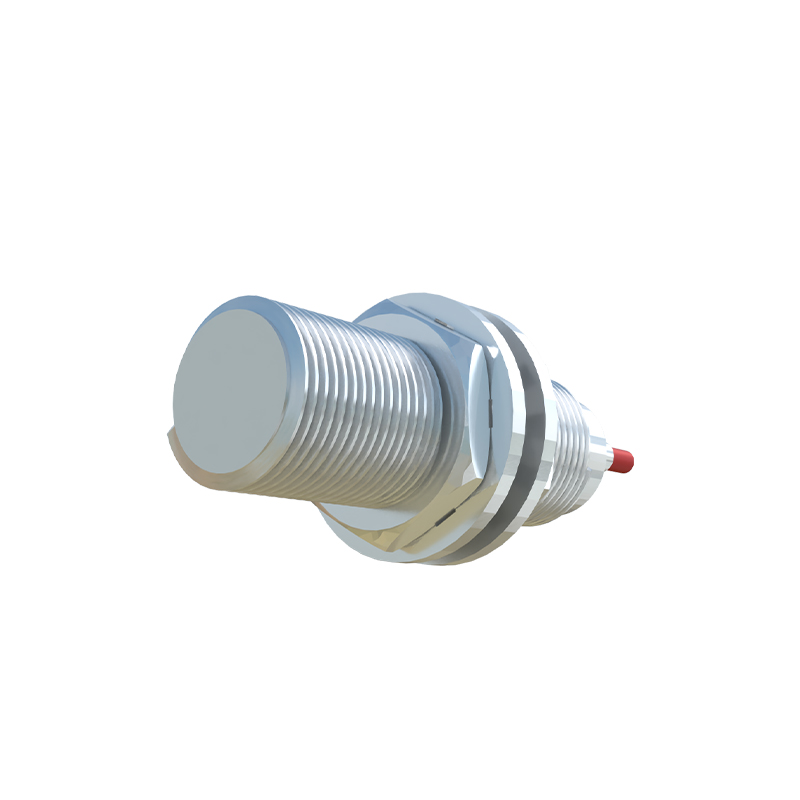
1. Direct from Manufacturers (OEMs):
This is often the preferred route for large-scale projects or when requiring highly customized solutions. Leading global manufacturers such as Siemens, Omron, Rockwell Automation (Allen-Bradley), Schneider Electric, Pepperl+Fuchs, SICK, and Balluff have extensive portfolios. Sourcing directly ensures access to the latest technology, full technical documentation, application engineering support, and genuine warranty coverage. Most manufacturers have detailed online catalogs with parametric search tools, allowing engineers to filter sensors by type, sensing distance, housing style, and electrical characteristics. Their regional sales offices and authorized engineering teams can provide critical pre-sales consultation.
2. Through Authorized Distributors and Stocking Partners:
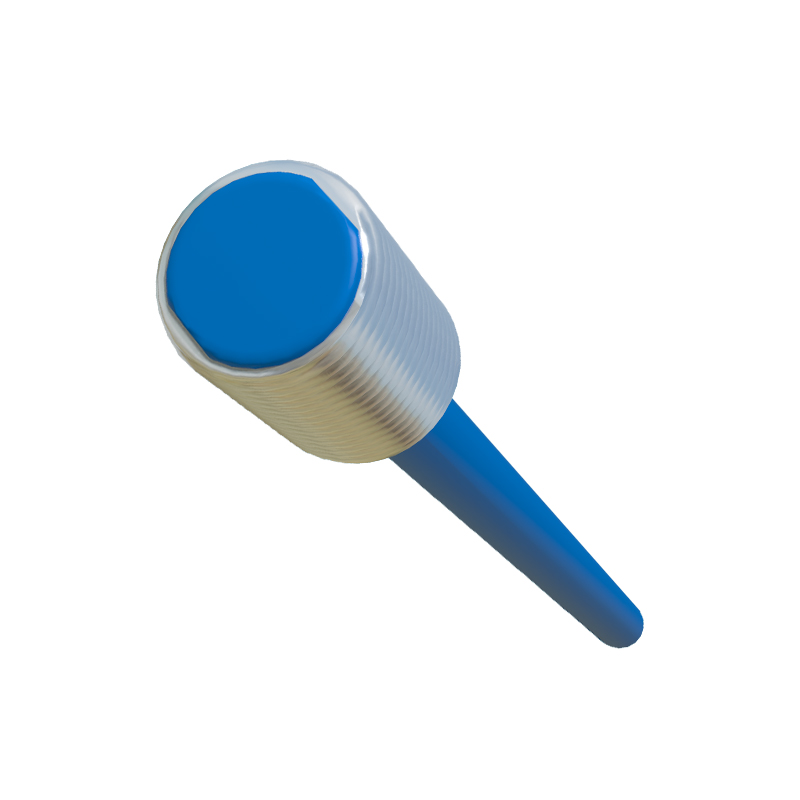
For most projects, especially those requiring faster delivery or smaller quantities, authorized distributors are the go-to source. Major global and regional distributors like Digi-Key, Mouser, RS Components, Allied Electronics, and Grainger, alongside specialized industrial automation distributors, maintain vast inventories of sensors from multiple manufacturers. They offer the advantage of product comparison, availability checking, and often, competitive pricing. Local distributors provide valuable services like local technical support, rapid shipment (often next-day), and logistical convenience. They bridge the gap between large manufacturers and end-users, simplifying procurement.
3. Online Marketplaces and E-commerce Platforms:
The rise of B2B industrial e-commerce has been significant. Platforms like Amazon Business, eBay (for certain surplus or generic components), and especially manufacturer- or distributor-owned web stores have become reliable sources. These platforms are excellent for researching specifications, comparing prices, reading user reviews, and procuring standard models quickly. However, caution is advised to ensure the seller is authorized to avoid counterfeit products, which can pose serious reliability and safety risks in industrial settings. Always verify the seller's authenticity.
4. System Integrators and Solution Providers:
For complex automation systems where the sensor is part of a larger solution, working with a System Integrator (SI) is highly effective. SIs design and implement complete control systems. They possess deep expertise in sensor selection, integration, and networking. They typically source sensors from their partner manufacturers or distributors and provide them as part of a turnkey package. This approach offloads the component selection burden and ensures sensor compatibility with other system elements like PLCs and HMIs.
5. Specialized Industrial Suppliers and Catalogs:
Certain suppliers focus on specific niches, such as sensors for harsh environments (intrinsically safe, high-temperature), food and beverage (FDA-compliant, hygienic design), or mobile equipment. Finding these specialists often involves industry-specific trade publications, online directories, or referrals at trade shows.
Beyond knowing where to look, knowing how to evaluate is key. Always consult the official datasheet. Critical parameters include nominal sensing distance (Sn), repeatability, hysteresis, operating voltage, output current, switching frequency, housing material (e.g., nickel-plated brass, stainless steel, PBT plastic), and protection ratings (IP67, IP69K). For challenging environments, consider factors like resistance to welding spatter, chemicals, or extreme temperatures.
In conclusion, finding the right proximity sensor is a systematic process that moves from application definition to supplier selection. The optimal source depends on project scale, required support level, and urgency. A combination of manufacturer resources for technical validation and authorized distributors for procurement efficiency often yields the best results. Leveraging online tools for research and traditional channels for fulfillment ensures engineers can reliably source these critical components that