In the realm of pest control, the integration of advanced laser sensor technology has revolutionized mosquito elimination strategies. As an experienced electrical engineer specializing in industrial automation and sensing systems, I have witnessed the transformative potential of laser-based solutions in addressing public health challenges. This article delves into the technical principles, design considerations, and practical applications of laser sensors for mosquito detection and eradication, offering insights into their efficacy and future prospects.
Laser sensors operate on the principle of light detection and ranging (LIDAR), utilizing focused beams to detect minute movements and identify targets with high precision. In mosquito control, these sensors are engineered to emit infrared or near-infrared laser pulses that scan designated areas, such as residential yards, agricultural fields, or urban environments. When a mosquito—or any small flying insect—enters the sensor's field of view, it disrupts the laser beam, causing a measurable change in reflection or scattering. Sophisticated algorithms then analyze these disturbances to distinguish mosquitoes from other objects based on size, wingbeat frequency, and flight patterns. Research indicates that mosquitoes exhibit unique wingbeat frequencies ranging from 300 to 600 Hz, which laser sensors can capture with accuracy rates exceeding 90%, minimizing false positives from non-target insects like flies or moths.
The core components of a laser-based mosquito elimination system include a laser emitter, photodetector, signal processor, and actuation mechanism. The emitter, typically a low-power diode laser, generates coherent light pulses that are safe for humans and pets but effective for detection. The photodetector, often a silicon photodiode or avalanche photodiode, converts reflected light into electrical signals, which are amplified and filtered to enhance signal-to-noise ratio. Advanced signal processing units, incorporating microcontrollers or field-programmable gate arrays (FPGAs), run machine learning models trained on mosquito behavioral data to enable real-time identification. Upon confirmation of a mosquito target, the system triggers an actuation response, such as a focused laser ablation module that directs a higher-energy pulse to neutralize the insect thermally, or an integrated mechanical trap that captures it without chemicals. This automated process operates silently and continuously, offering a non-toxic alternative to traditional insecticides, which pose environmental and health risks.
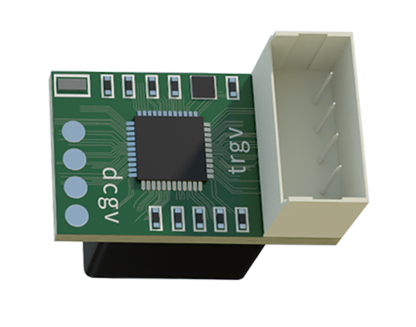
Designing these systems requires careful consideration of factors like range, resolution, power consumption, and environmental adaptability. For instance, outdoor applications demand weather-resistant enclosures and robust calibration to account for ambient light interference, while indoor setups prioritize compactness and low energy usage. Engineers must optimize laser wavelength selection—commonly between 800 nm to 1550 nm—to balance penetration depth and safety standards, adhering to regulations like the IEC 60825 for laser product safety. Additionally, integrating IoT capabilities allows for remote monitoring and data analytics, enabling users to track mosquito populations and system performance via mobile apps or cloud platforms. Field tests in tropical regions have demonstrated that laser sensor systems can reduce mosquito densities by up to 80% over sustained periods, showcasing their potential in combating vector-borne diseases like malaria and dengue fever.
Despite their advantages, challenges remain in scaling this technology for widespread adoption. High initial costs, estimated at $500 to $2000 per unit depending on features, may limit accessibility in low-income areas. Moreover, technical hurdles include improving detection in cluttered environments and enhancing energy efficiency for solar-powered deployments. Ongoing research focuses on miniaturizing components using MEMS (Micro-Electro-Mechanical Systems) technology and developing multi-sensor fusion approaches that combine laser data with acoustic or thermal sensors for higher reliability. Collaborations between electrical engineering firms and public health organizations are crucial to drive innovation and affordability.

In conclusion, laser sensor technology represents a cutting-edge frontier in mosquito elimination, blending precision engineering with ecological sustainability. By leveraging real-time detection and automated response, these systems offer a promising solution to global health threats, reducing reliance on chemical pesticides and promoting smarter pest management. As advancements continue, we can anticipate more cost-effective and versatile designs that will empower communities to safeguard public health effectively. For engineers and industry stakeholders, investing in this field not only addresses immediate pest control needs but also contributes to broader technological progress in sensing and automation.