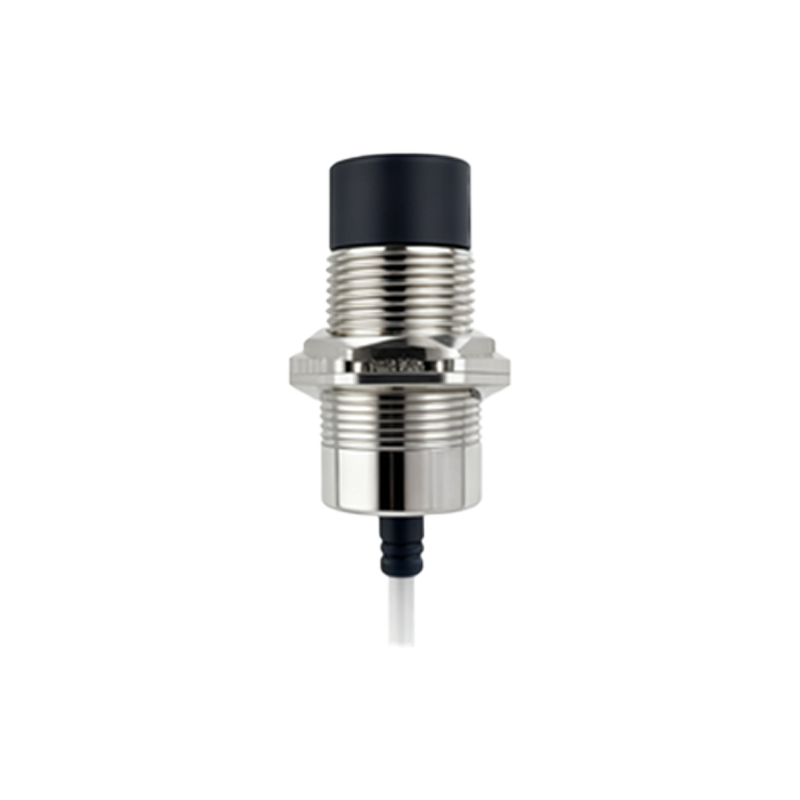
In the realm of industrial automation and control systems, proximity sensors are indispensable components for detecting the presence or absence of objects without physical contact. Among the various specifications and output types, Digital Output (DO) and Analog Output (AO) are two fundamental configurations that serve distinct purposes. Grasping the difference between DO and AO is crucial for engineers and technicians to select the appropriate sensor for a given application, ensuring optimal system performance, reliability, and cost-effectiveness.
A proximity sensor with a Digital Output (DO), often referred to as a discrete or switching output, provides a simple on/off signal. This binary output typically corresponds to two voltage states, such as 0V (LOW) or 24V (HIGH) in a standard PNP configuration, or their NPN equivalents. The core function is to indicate whether a target object is within the sensor's detection range or not. When the object enters the sensing field, the output switches from one state to the other. This type of output is ideal for applications requiring clear-cut decisions, such as object counting, limit switching, part presence verification, or triggering an actuator. For instance, on an assembly line, a DO sensor can confirm a part is correctly positioned before a robotic arm performs a task. The primary advantages of DO sensors are their simplicity, noise immunity, and straightforward interface with Programmable Logic Controllers (PLCs) or other digital input modules. They are generally robust and less susceptible to electrical interference over long cable runs, making them suitable for harsh industrial environments.
In contrast, a proximity sensor with an Analog Output (AO) provides a continuous signal that varies proportionally with the measured parameter, which is typically the distance between the sensor and the target. Common analog output standards include 0-10V DC, 4-20 mA current loops, or sometimes 0-5V. Instead of merely signaling presence, an AO sensor measures the precise gap or displacement. As the target moves closer or farther away, the output voltage or current changes in a linear or defined nonlinear manner. This continuous data stream is invaluable for applications demanding measurement, monitoring, or precise positioning. Examples include controlling the roll gap in a steel mill, monitoring the thickness of material on a conveyor, or performing delicate alignment tasks in precision machinery. The 4-20 mA output is particularly favored in process industries due to its inherent ability to indicate a broken wire (output falls to 0 mA) and its superior noise resistance over long distances compared to voltage signals.
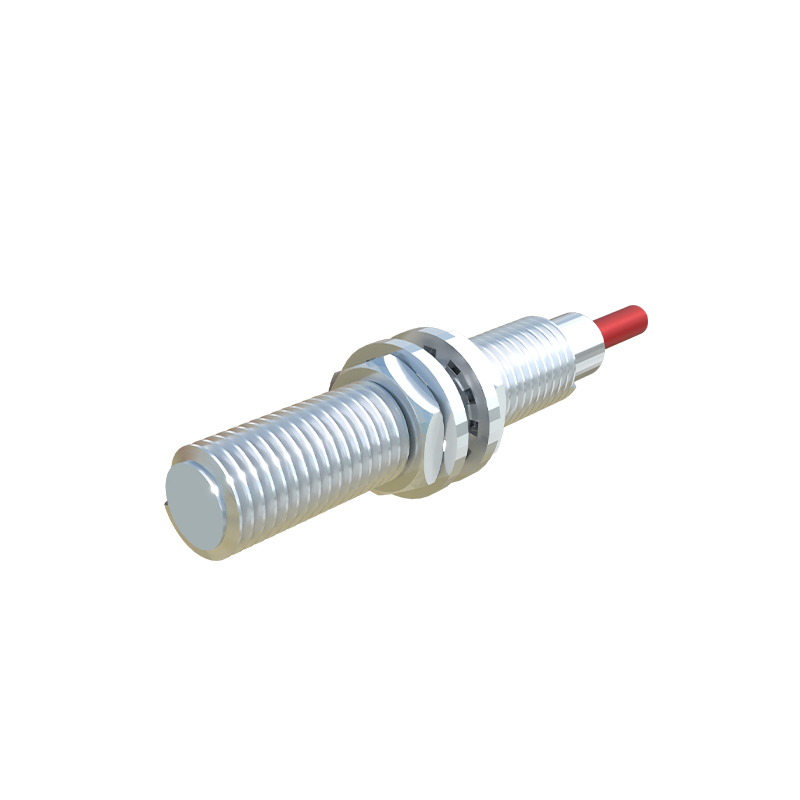
The choice between DO and AO hinges entirely on the application's requirements. If the need is simply to detect if an object is "here" or "not here," a Digital Output sensor is the most efficient and economical solution. It simplifies wiring, programming, and system integration. However, if the application involves measuring "how far" or "how much," such as monitoring a position, controlling a gap, or assessing wear, an Analog Output sensor is necessary. It provides the granular data required for process control and feedback loops.
Several technical factors influence this decision. Resolution and accuracy are paramount for AO sensors, as they determine the smallest detectable change in distance. DO sensors, on the other hand, are characterized by their repeatability—the consistency with which they switch at the same point. Response time is often faster for DO sensors, as they only need to trigger a switch, while AO sensors must process and output a continuous value. Environmental considerations like temperature, humidity, and electromagnetic interference can affect the stability of an analog signal more significantly than a digital one. Furthermore, the system's data acquisition infrastructure must be compatible; a PLC needs analog input modules to process AO signals, which are typically more expensive than standard digital input cards.
In summary, Digital Output proximity sensors act as simple switches for detection tasks, offering reliability and simplicity. Analog Output proximity sensors function as measuring devices, providing continuous data for control and monitoring. The former answers "yes or no," while the latter answers "how much." A clear understanding of this fundamental distinction enables engineers to design more efficient, capable, and cost-effective automated systems, matching the sensor's capability precisely to the task at hand. Proper selection minimizes complexity, reduces costs, and enhances overall system performance.