Magnetic proximity sensors are fundamental components in modern industrial automation and countless electronic devices. Unlike traditional mechanical switches, they operate without physical contact, detecting the presence or absence of a magnetic field, typically from a permanent magnet. This non-contact principle grants them exceptional reliability, long operational life, and the ability to function in harsh environments where dirt, oil, or vibration would compromise other sensing methods.
The core operating principle is based on the Hall effect or magnetoresistive technology. A Hall-effect sensor generates a small voltage when exposed to a magnetic field. This voltage change is processed by integrated circuitry to produce a clean, digital output signal—either ON or OFF. Magnetoresistive sensors change their electrical resistance in the presence of a magnetic field, offering high sensitivity for precise position detection. When a designated target, such as a magnet mounted on a moving part, comes within the sensor's detection range, it triggers this internal change, signaling the object's proximity.
These sensors are categorized primarily by their output type. Two-wire DC sensors are simple and cost-effective, acting like a switch in series with the load. Three-wire DC sensors provide separate power, ground, and signal wires, offering more stable performance and both PNP (sourcing) and NPN (sinking) output configurations to interface with different controllers. Analog output sensors provide a continuous voltage or current signal proportional to the strength of the detected magnetic field, useful for measuring distance or speed.
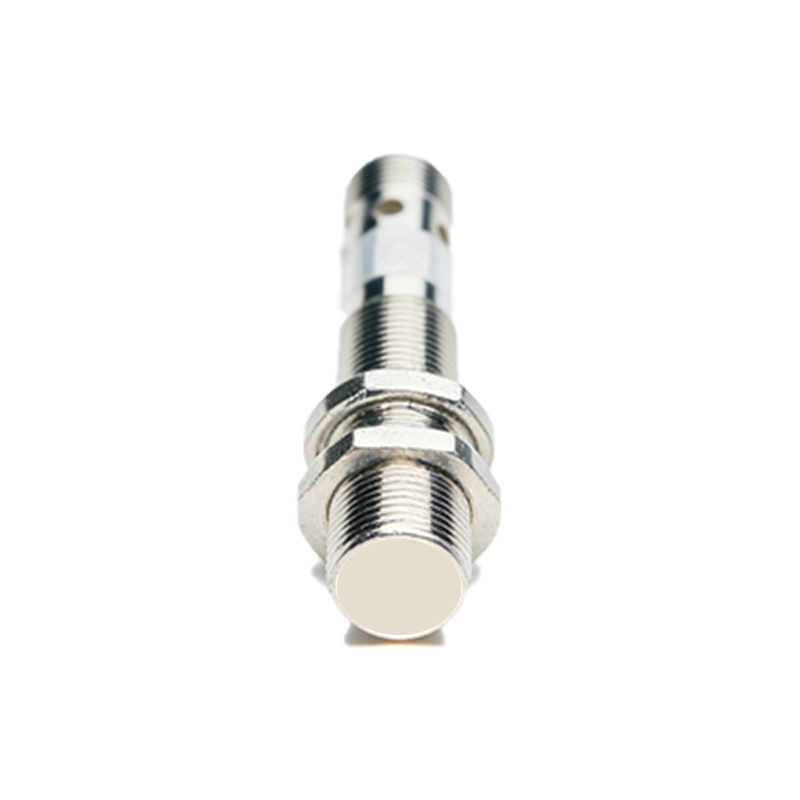
The applications for magnetic proximity sensors are vast and critical. In factory automation, they are ubiquitous for position sensing: detecting whether a cylinder is fully extended or retracted, confirming the open/closed status of doors or guards, and counting revolutions or indexing positions on rotating machinery. In the automotive industry, they function as crankshaft and camshaft position sensors, wheel speed sensors for anti-lock braking systems, and gearbox sensors. Consumer electronics utilize tiny magnetic sensors for features like laptop lid closure detection (sleep/wake function) and smartphone flip covers.
Selecting the right magnetic proximity sensor requires careful consideration of several parameters. Sensing distance, or the maximum range at which the sensor can reliably detect the magnet, is paramount. This is often a "nominal" value under ideal conditions; factors like magnet size, strength, and orientation significantly affect real-world performance. Environmental ratings are crucial; sensors are available with robust IP67, IP68, or IP69K enclosures for resistance to water, dust, and chemicals. The operating temperature range must match the application's environment. Electrical characteristics, including supply voltage, output current, and switching frequency, must be compatible with the control system. Finally, the physical form factor—barrel-shaped, rectangular, or with specific mounting threads—must suit the mechanical design.
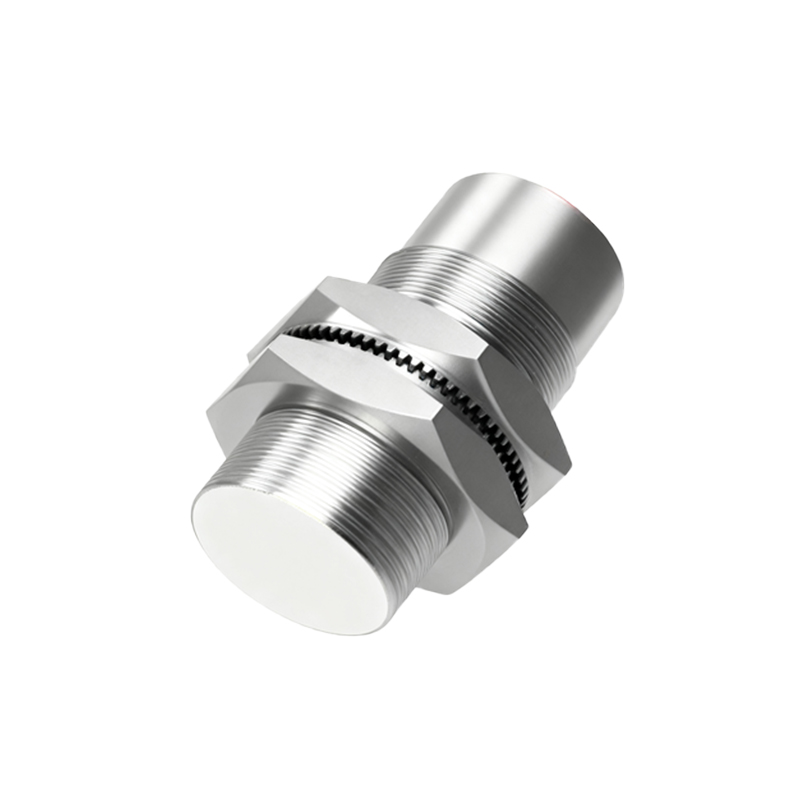
Installation and alignment are critical for optimal performance. The sensor and magnet must be correctly oriented; most sensors are sensitive to a specific pole (usually the south pole) and direction of approach. The use of ferrous metals in the mounting structure can shield or distort magnetic fields, necessitating non-magnetic mounting brackets or increased air gaps. Regular maintenance is minimal but should involve checking for physical damage, buildup of metallic debris on the sensor face, and ensuring secure electrical connections.
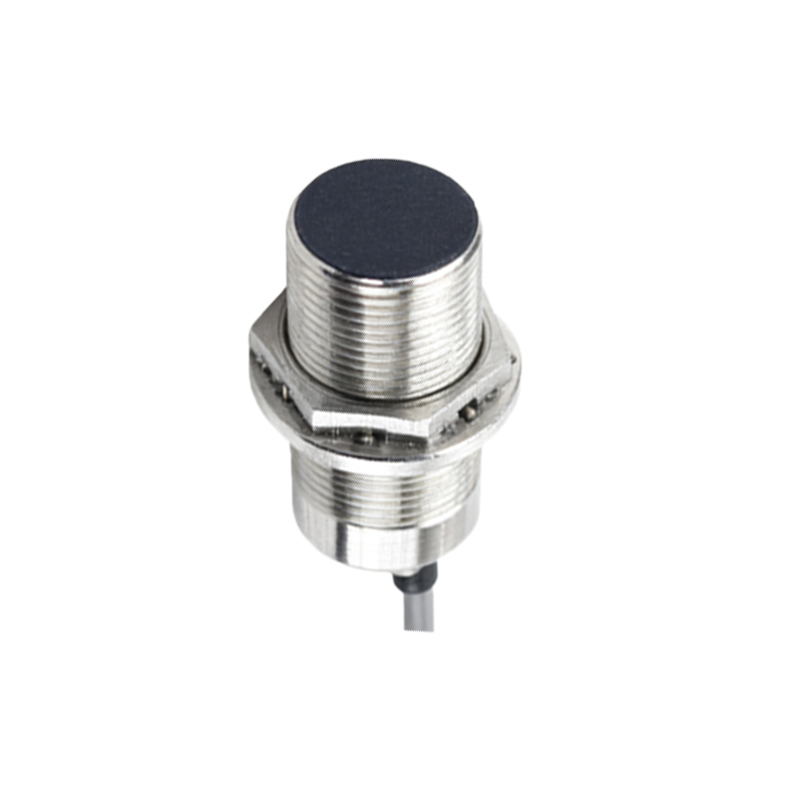
Compared to inductive proximity sensors, which detect only metals, magnetic sensors respond specifically to magnetic fields, allowing them to sense magnets through non-ferrous materials like plastic, aluminum, or stainless steel housings. This enables concealed or hygienic installations. Their main limitation is the requirement for a magnet as the target, adding a component to the moving part.
Future trends point toward miniaturization, increased intelligence, and enhanced connectivity. Sensors with integrated IO-Link communication can provide detailed diagnostic data, parameterization, and condition monitoring, feeding into predictive maintenance strategies. Advancements in materials are also yielding sensors capable of withstanding even more extreme temperatures and radiation levels for specialized aerospace and energy applications.
In summary, magnetic proximity sensors offer a robust, versatile, and contactless solution for detection and positioning tasks. Their reliability in demanding conditions makes them indispensable in automated systems. Understanding their working principles, key specifications, and application nuances is essential for engineers and technicians to implement effective and durable sensing solutions across industries.