In industrial and environmental monitoring applications, laser dust concentration sensors have become a critical technology for precise particulate matter measurement. Their pricing is a primary consideration for procurement across various sectors, including manufacturing, indoor air quality management, and regulatory compliance monitoring. The cost of these sensors is not a single fixed figure but a spectrum influenced by a complex interplay of technical specifications, performance features, brand value, and market dynamics.
At the core of the price differentiation is measurement technology and performance. Basic models utilizing light scattering principles with a single wavelength laser diode and limited particle size channels are available at the lower end of the market, typically ranging from $200 to $800. These sensors are suitable for applications requiring general trend monitoring rather than highly accurate mass concentration data. Mid-range sensors, priced between $800 and $2,500, offer significant enhancements. They often feature more stable laser sources, advanced algorithms for data processing, temperature and humidity compensation, and the ability to differentiate between multiple particle size fractions (e.g., PM1, PM2.5, PM10). This level of accuracy and reliability is demanded in settings like cleanrooms, HVAC system monitoring, and industrial process control.
The premium segment, with prices soaring from $2,500 to $15,000 or more, is reserved for high-end, certified instruments. These sensors boast features such as certified equivalence to gravimetric reference methods (crucial for regulatory reporting), ultra-low detection limits, exceptional long-term stability with minimal drift, robust housing for harsh industrial environments (high temperature, humidity, corrosive gases), and comprehensive data logging and communication interfaces (Modbus, Ethernet, 4-20mA). Brands with established reputations for research-grade instrumentation command a premium due to proven reliability, extensive validation data, and strong technical support.
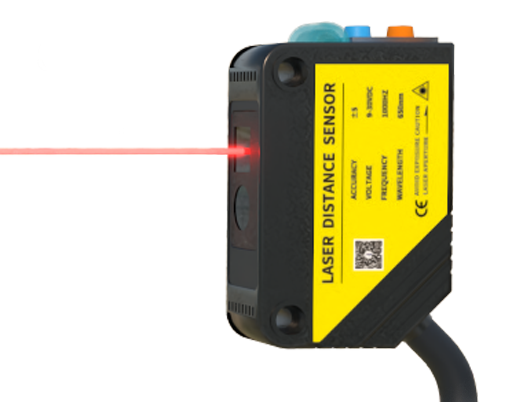
Beyond the sensor unit itself, the total cost of ownership must be considered. Recurring expenses include periodic calibration, which is essential for maintaining accuracy and can cost several hundred dollars per service. Some models require filter changes or other consumables. Furthermore, integration costs—encompassing mounting hardware, protective enclosures, data acquisition systems, and software—can add substantially to the initial sensor price. A sensor with a higher upfront cost but lower maintenance and longer service intervals may prove more economical over a 5-year period.
The market supply chain also impacts final pricing. Purchasing directly from established manufacturers or their authorized distributors typically ensures product authenticity, warranty coverage, and access to technical support, albeit at a higher list price. The emergence of online marketplaces and generic suppliers, particularly from regions with strong manufacturing bases, has introduced more competitive options. While these can offer lower initial costs, buyers must diligently assess product specifications, build quality, and the availability of reliable after-sales service and documentation.
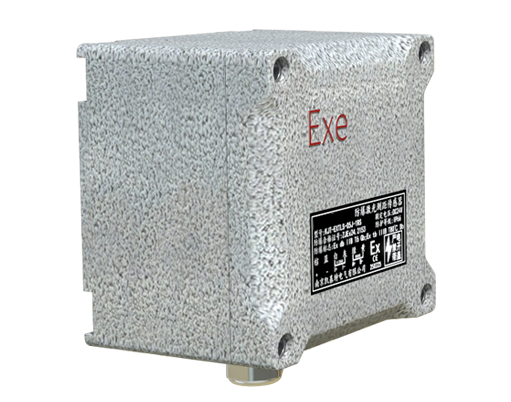
Current market trends show a gradual price reduction for fundamental laser scattering sensor technology due to economies of scale and component cost decreases. However, this is counterbalanced by rising demand for smarter, more connected sensors with IoT capabilities and for sensors meeting stricter international standards. The application is a decisive factor: a sensor for a university research project has different budget and precision constraints compared to one used for continuous emission monitoring at a power plant, where regulatory fines for inaccurate data could be severe.
In conclusion, navigating the laser dust concentration sensor market requires a clear understanding of application requirements. Potential buyers should prioritize defining necessary accuracy, range, environmental durability, and data output needs before comparing prices. Investing time in evaluating the total cost of ownership, including calibration and maintenance, and verifying supplier credibility is crucial. The optimal choice balances technical performance, long-term reliability, and budgetary constraints, ensuring the selected sensor delivers valid data and value throughout its operational lifecycle.