Proximity sensors are critical components in modern combine harvesters, enabling precise detection and control without physical contact. These devices enhance operational efficiency, safety, and automation in agricultural machinery. In combine harvesters, proximity sensors are primarily used for monitoring the position of moving parts, detecting crop flow, and ensuring proper functioning of critical systems like the threshing drum, augers, and conveyors.
The working principle of proximity sensors in harvesters is based on electromagnetic or capacitive sensing technologies. Inductive proximity sensors, commonly employed for metal detection, generate an oscillating electromagnetic field. When a metallic object, such as a gear or blade, enters this field, eddy currents are induced, causing a change in oscillation amplitude. This alteration is detected by the sensor's circuit, triggering an output signal to the harvester's control system. For example, inductive sensors monitor the rotation of the threshing drum to prevent overload or jamming.
Capacitive proximity sensors, on the other hand, detect both metallic and non-metallic materials, including crops like grain or straw. They operate by measuring changes in capacitance between the sensor and a target object. As crops pass near the sensor, the dielectric properties of the material alter the capacitance, prompting the sensor to send a signal. This is particularly useful in monitoring grain flow in elevators or detecting blockages in chutes.
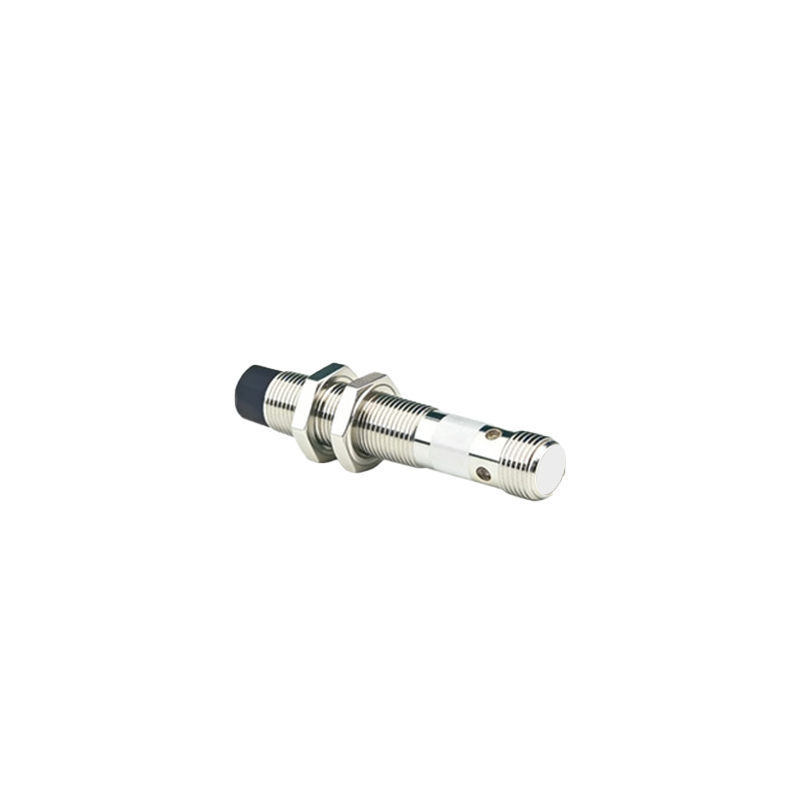
In combine harvesters, these sensors are integrated into the machine's electronic control unit (ECU), allowing real-time adjustments. For instance, if a proximity sensor detects reduced crop flow in a conveyor, the ECU may automatically adjust the speed of the auger to optimize harvesting efficiency. Additionally, Hall-effect sensors, a type of magnetic proximity sensor, are used for speed monitoring of wheels or shafts by detecting magnetic field changes from rotating elements.
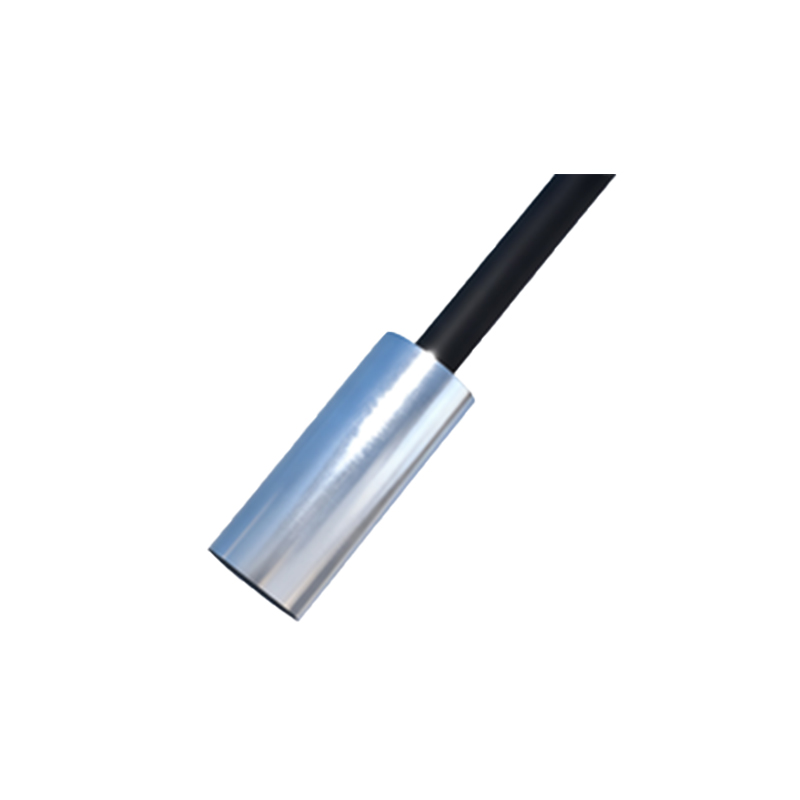
The benefits of proximity sensors in harvesters include improved reliability and reduced maintenance. By avoiding mechanical contact, they minimize wear and tear, extending the lifespan of components. They also enhance safety by shutting down systems when obstructions are detected, preventing damage to machinery or injury to operators. For example, sensors near cutting blades can halt operations if an unexpected object is sensed.
Installation and calibration are key to optimal performance. Proximity sensors must be positioned correctly to avoid false triggers from vibration or environmental factors like dust and moisture, which are common in harvesting environments. Modern sensors are often designed with IP67 or higher ratings for dust and water resistance. Regular testing with diagnostic tools ensures accurate signal output, as outlined in technical manuals from manufacturers like John Deere or Claas.
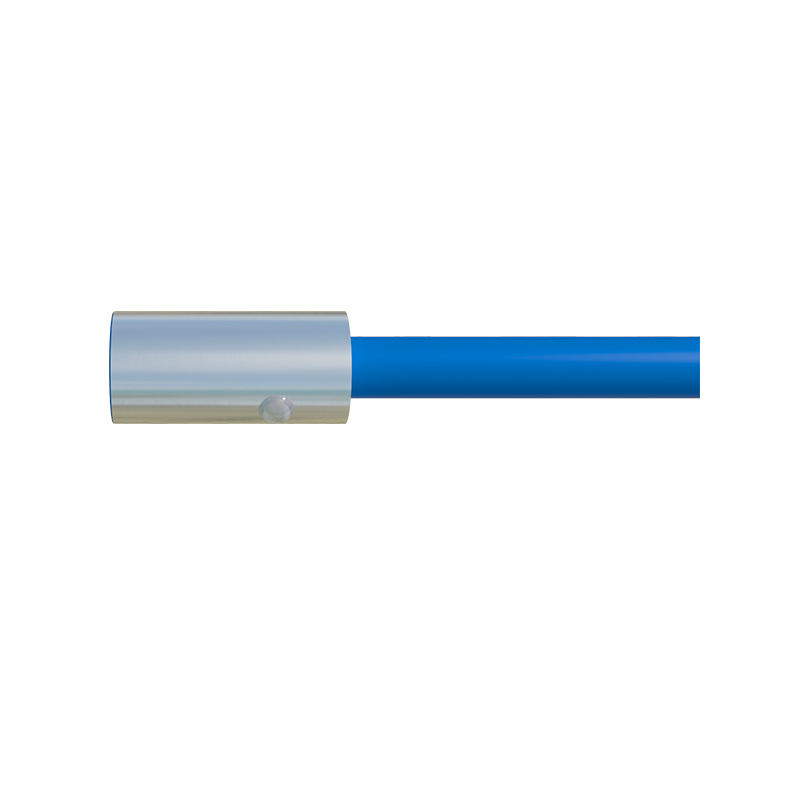
Future trends involve the integration of IoT and smart farming technologies. Wireless proximity sensors can transmit data to cloud-based platforms, enabling predictive maintenance and data-driven decisions. For instance, sensors monitoring wear on critical parts can alert farmers to schedule repairs before failures occur, reducing downtime during harvest seasons.
In summary, proximity sensors in combine harvesters rely on electromagnetic or capacitive principles to enable non-contact detection, supporting automation, efficiency, and safety. Their application spans from basic position sensing to advanced crop flow management, making them indispensable in precision agriculture. As technology evolves, these sensors will continue to play a vital role in optimizing harvester performance and supporting sustainable farming practices.