In the demanding landscape of modern industrial processes, the ability to measure temperature with extreme speed, accuracy, and non-contact precision is no longer a luxury but a critical necessity. High-speed laser temperature sensors, leveraging advanced pyrometric and interferometric principles, have emerged as a transformative technology, enabling real-time thermal monitoring in applications where traditional contact sensors fail. This article delves into the core technology, key advantages, and pivotal applications of these sophisticated instruments.
At its core, a high-speed laser temperature sensor operates on the fundamental principle of infrared radiation detection. All objects with a temperature above absolute zero emit electromagnetic radiation, the intensity and spectral distribution of which are directly correlated to their surface temperature. These sensors utilize a focused laser beam not to heat the target, but to precisely define the measurement spot—often as small as a few micrometers—ensuring exceptional spatial resolution. The sensor's optical system then collects the infrared radiation emitted from this defined spot. Advanced detectors, such as Indium Gallium Arsenide (InGaAs) or Mercury Cadmium Telluride (MCT), convert this radiation into an electrical signal. Sophisticated algorithms, often incorporating multi-wavelength or ratio pyrometry techniques, process this signal to calculate the absolute temperature, compensating for variables like surface emissivity—a material's efficiency in emitting thermal radiation.
The advantages of this technology over conventional thermocouples or resistance temperature detectors (RTDs) are profound. First and foremost is non-contact measurement. This eliminates sensor wear, contamination, and the risk of altering the temperature of the target itself, which is crucial for delicate or small components. The second defining feature is unparalleled speed. With response times in the microsecond to millisecond range, these sensors can capture rapid thermal transients, such as those occurring during laser welding, additive manufacturing layer formation, or semiconductor wafer processing, which are entirely invisible to slower contact probes. Furthermore, they offer exceptional accuracy and repeatability in harsh environments involving high temperatures, corrosive atmospheres, or moving targets like rotating machinery or fast-moving webs in paper or film production.
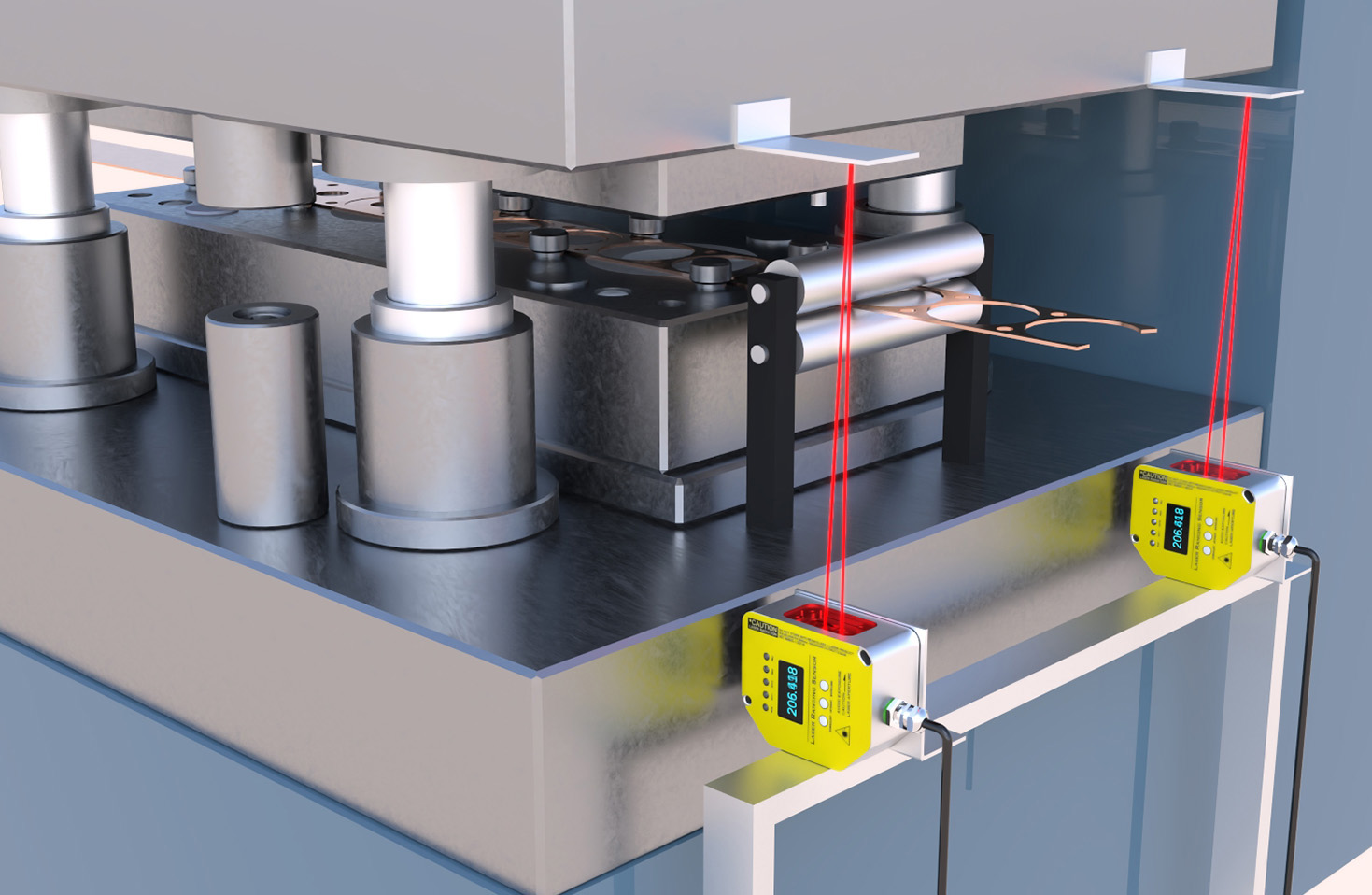
The application spectrum for high-speed laser thermometers is vast and growing. In additive manufacturing (3D printing), they are integral to closed-loop process control, monitoring melt pool temperature in real-time to prevent defects like porosity or lack-of-fusion, ensuring part integrity and consistent material properties. Within semiconductor fabrication, they provide critical temperature profiles during rapid thermal processing (RTP) of wafers, where precise thermal budgets dictate device performance and yield. The automotive and aerospace industries rely on them for monitoring brake disc temperatures, turbine blade testing, and controlling heat treatment processes for critical metal components. In pharmaceuticals, they enable non-invasive temperature verification of vials or blister packs during lyophilization (freeze-drying) and sterilization. Research and development laboratories utilize them for studying combustion dynamics, plasma characteristics, and material behavior under extreme thermal loads.
Selecting the appropriate high-speed laser sensor requires careful consideration of several parameters. The temperature range must match the application, with specialized sensors available for both very low and extremely high temperatures (exceeding 3000°C). Spectral response must be chosen based on the target material and its emissivity characteristics; shorter wavelengths are often less sensitive to emissivity variations. Spot size and optical resolution determine the minimum measurable area and the ability to measure small features. Finally, the response time and output interface (analog, digital, or high-speed data stream) must align with the process dynamics and data acquisition system.
Looking ahead, the integration of high-speed laser temperature sensors with Industry 4.0 frameworks and artificial intelligence is the next frontier. Embedded with smart diagnostics and connected via industrial IoT protocols, these sensors will not only provide data but also predictive insights, enabling fully autonomous process optimization and predictive maintenance. As manufacturing tolerances tighten and processes become more dynamic, the role of high-speed, non-contact temperature measurement will only become more central, solidifying the laser pyrometer's status as an indispensable tool for precision engineering and advanced industrial control.