In today's rapidly evolving industrial landscape, the demand for precision, adaptability, and reliability in automation systems has never been higher. Among the critical components driving this evolution are customizable proximity sensors—devices engineered to detect the presence or absence of objects without physical contact. These sensors are pivotal in enhancing operational efficiency, ensuring safety, and enabling sophisticated control mechanisms across diverse sectors, including manufacturing, automotive, packaging, and robotics.
The core principle behind proximity sensing involves the emission of an electromagnetic field or a beam of radiation, such as infrared light, and the detection of changes in the field or return signal. Common technologies include inductive, capacitive, ultrasonic, and photoelectric sensors, each suited to specific materials and environmental conditions. However, off-the-shelf sensors often fall short when faced with unique application challenges, such as extreme temperatures, aggressive chemicals, space constraints, or the need for specific sensing ranges and output signals. This is where customization becomes indispensable.
Customizable proximity sensors are designed with modularity and flexibility at their forefront. Engineers can tailor various parameters to meet exact operational requirements. Key customizable features include sensing distance, which can be adjusted from a few millimeters to several meters; housing materials, such as stainless steel, PTFE, or specialized polymers for corrosion or high-temperature resistance; output types, including analog (4-20 mA, 0-10 V), digital (PNP/NPN), or IO-Link for smart communication; and form factors, enabling integration into tight or irregular spaces. Additionally, customization may involve specific connector types, cable lengths, LED indicators, and protective ratings like IP67 or IP69K for harsh environments.
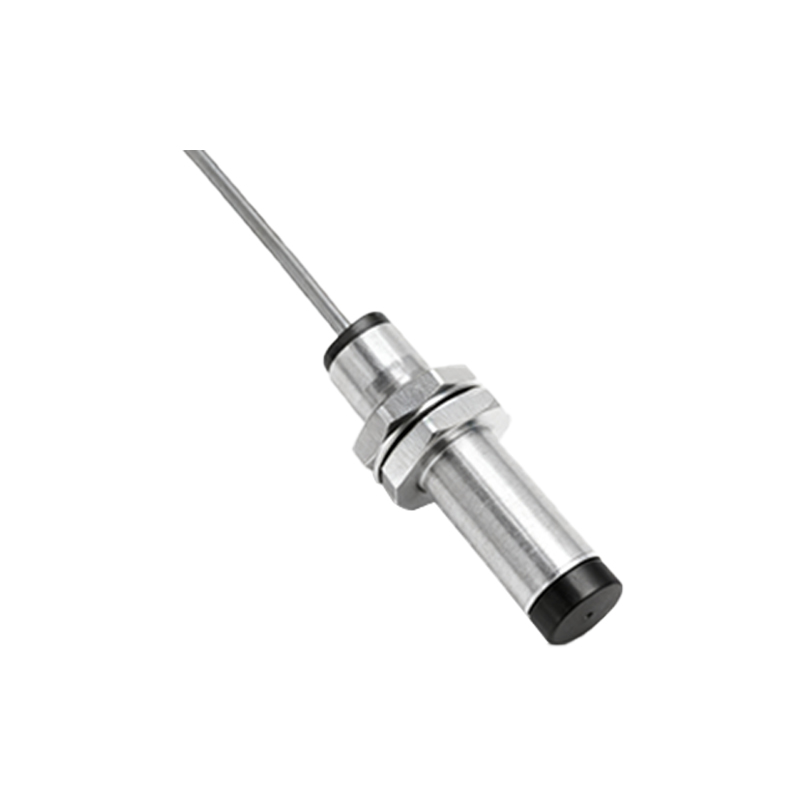
The benefits of deploying tailored proximity sensors are manifold. Firstly, they optimize performance by precisely matching the sensor to the application, reducing false triggers and enhancing detection accuracy. For instance, in food processing, sensors with FDA-compliant materials and washdown capabilities prevent contamination and withstand rigorous cleaning cycles. In automotive assembly lines, high-speed inductive sensors with extended ranges ensure accurate part positioning without slowdowns. Secondly, customization extends product lifespan and reduces maintenance costs, as components are built to endure specific stressors. Thirdly, it facilitates seamless integration with existing control systems, minimizing retrofitting efforts and downtime.
From a design and implementation perspective, developing a customized sensor involves close collaboration between the client and engineering team. The process typically begins with a detailed analysis of the application environment, target objects (metal, plastic, liquid, etc.), required response time, and connectivity needs. Prototyping and rigorous testing under simulated conditions follow to validate performance. Advanced manufacturing techniques, such as CNC machining and laser welding, ensure high precision in production. Moreover, the advent of Industry 4.0 has spurred the development of smart customizable sensors equipped with self-diagnostic features, real-time data logging, and network connectivity, enabling predictive maintenance and system optimization.
In conclusion, as industries strive for greater automation and efficiency, the role of customizable proximity sensors becomes increasingly central. By offering tailored solutions that address unique challenges, these devices not only improve process reliability but also drive innovation in machine design and operational workflows. For engineers and decision-makers, investing in customizable sensing technology is a strategic move toward future-proofing operations and maintaining a competitive edge in a dynamic market.