In industrial automation and control systems, proximity sensors play a critical role in detecting the presence or absence of objects without physical contact. Among the various form factors available, sensors with M18 threaded housings are widely adopted due to their versatility and compatibility with standard mounting solutions. This article delves into the technical specifications of M18 threads, their applications, and key considerations for selection and installation.
The term "M18" refers to a metric thread with an 18-millimeter nominal diameter. Specifically, for proximity sensors, the M18 thread typically follows the ISO 261 standard for metric coarse threads, denoted as M18 x 1.5. Here, "1.5" indicates the pitch—the distance between adjacent threads—which is 1.5 millimeters. This coarse pitch design offers advantages in mounting speed and durability, making it suitable for high-vibration environments common in manufacturing and machinery. The threads are usually external, allowing the sensor to be screwed directly into a pre-tapped hole on a machine or mounting bracket.
When selecting an M18 threaded proximity sensor, engineers must consider several factors beyond just thread size. Material compatibility is crucial: most sensors feature stainless steel or brass housings with nickel-plated finishes to resist corrosion and wear. The thread length, often ranging from 15 to 30 millimeters, affects how deeply the sensor protrudes into the mounting area, which can influence sensing range and mechanical stability. Additionally, sealing ratings such as IP67 or IP69K are essential for applications exposed to dust, moisture, or washdown conditions, ensuring reliable operation in harsh settings.
Installation of M18 proximity sensors requires attention to torque specifications to prevent damage. Over-tightening can strip threads or deform the housing, leading to sensor failure, while under-tightening may cause loosening over time. A typical recommended torque for M18 sensors is between 10 to 20 Nm, depending on the housing material and manufacturer guidelines. Using a calibrated torque wrench during installation helps maintain integrity. It's also advisable to apply thread sealant or Teflon tape only if specified, as some sensors rely on metal-to-metal contact for grounding or shielding purposes.
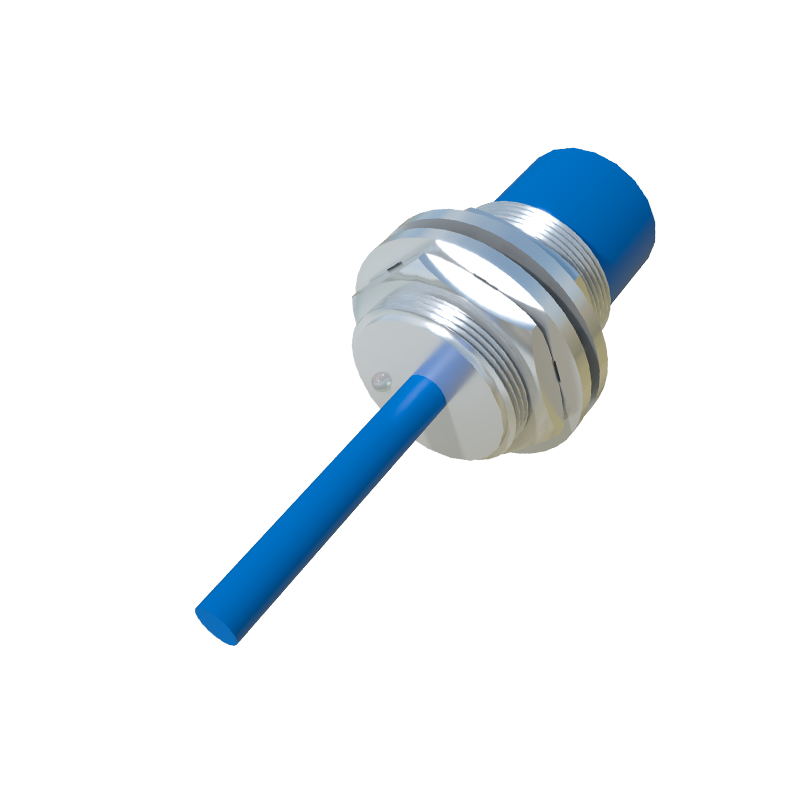
In practice, M18 threaded sensors are favored for their balance between size and performance. They offer sufficient space for internal electronics while remaining compact enough for tight installations. Common types include inductive sensors for metal detection and capacitive sensors for non-metallic materials, with sensing distances typically up to 8 millimeters. Industries such as automotive, packaging, and material handling leverage these sensors for tasks like position monitoring, object counting, and safety interlocks.
To ensure optimal performance, regular maintenance and inspection are recommended. Check for thread wear, corrosion, or debris accumulation, which can compromise sensor alignment and function. When replacing sensors, verify that the new unit matches not only the M18 thread but also electrical specifications like voltage, output type (PNP/NPN), and connection style. By understanding these details, engineers can enhance system reliability and reduce downtime.
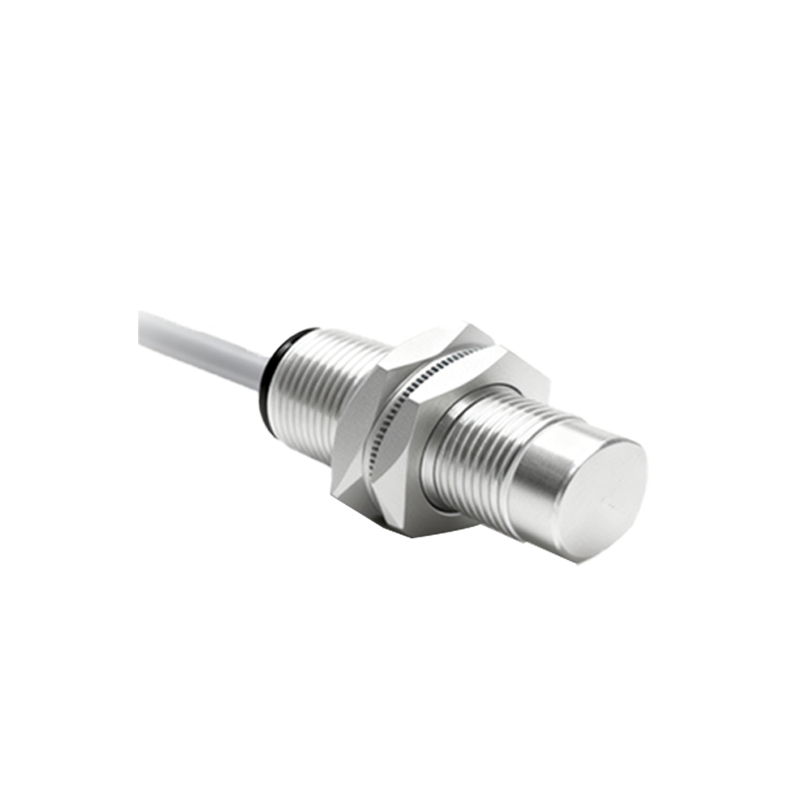
In summary, the M18 thread is a standardized feature that simplifies integration of proximity sensors into diverse industrial setups. Its metric coarse threading provides robust mounting, while adherence to international standards ensures interchangeability. As automation evolves, M18 sensors continue to be a cornerstone in efficient and precise control systems, underscoring the importance of precise thread knowledge for successful implementation.