In the realm of gas detection and safety monitoring, laser methane sensors have emerged as a pivotal technology, offering unparalleled precision and reliability. These advanced devices utilize the principles of laser absorption spectroscopy to detect and quantify methane concentrations in various environments. This article delves into the operational mechanics, key applications, and significant benefits of laser methane sensors, providing a comprehensive overview for professionals in the oil and gas, utilities, and industrial safety sectors.
At the core of a laser methane sensor is Tunable Diode Laser Absorption Spectroscopy (TDLAS). This technique involves emitting a laser beam at a specific wavelength that corresponds to an absorption line of methane molecules. As the laser light passes through the target gas, methane molecules absorb a portion of the light energy. The sensor measures the attenuation of the laser beam, which is directly proportional to the methane concentration along the optical path. This method is highly selective, as methane has unique absorption characteristics in the near-infrared spectrum, minimizing interference from other gases like water vapor or carbon dioxide.
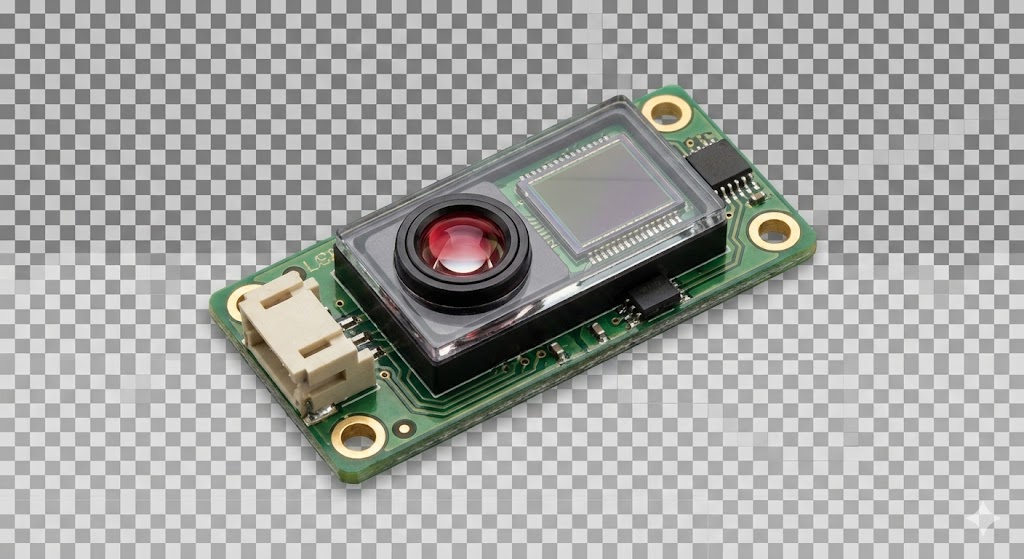
The design of modern laser methane sensors typically includes a laser diode, a photodetector, and sophisticated signal processing electronics. The laser diode is tuned to emit light at a wavelength around 1.65 micrometers, where methane exhibits strong absorption. The photodetector captures the transmitted light, and the system analyzes the absorption signal to calculate gas concentration. Many sensors employ a technique called wavelength modulation spectroscopy (WMS), which modulates the laser wavelength to enhance sensitivity and reduce noise from environmental factors such as dust or temperature fluctuations. This ensures stable performance even in harsh industrial settings.

One of the primary advantages of laser methane sensors is their non-contact measurement capability. Unlike traditional catalytic bead or electrochemical sensors that require physical contact with the gas, laser sensors can detect methane from a distance. This is achieved through open-path or point detection configurations. Open-path sensors project a laser beam over long distances—sometimes hundreds of meters—to monitor large areas like pipelines or storage facilities. Point sensors, on the other hand, are used for localized monitoring in confined spaces such as manholes or processing plants. Both configurations offer real-time data, enabling rapid response to leaks or hazardous conditions.
The applications of laser methane sensors are vast and critical for safety and environmental protection. In the oil and gas industry, they are deployed for leak detection along pipelines, wellheads, and compressor stations. Early identification of methane leaks helps prevent accidents, reduce greenhouse gas emissions, and comply with regulatory standards like the EPA's methane rules. Utility companies use these sensors to monitor natural gas distribution networks, ensuring public safety in urban areas. Additionally, laser methane sensors are integral to landfill gas monitoring, biogas production facilities, and coal mining operations, where methane accumulation poses explosion risks.
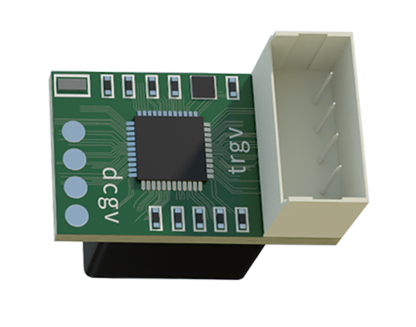
Another significant benefit is the minimal maintenance required. Traditional sensors often suffer from poisoning or drift, necessitating frequent calibration and replacement. Laser methane sensors, however, have no consumable parts and are less prone to contamination. Their long-term stability reduces operational costs and downtime. Furthermore, they provide quantitative measurements with high accuracy, often down to parts-per-million (ppm) levels, which is essential for compliance reporting and process optimization.
Despite their advantages, it is important to consider factors like initial cost and environmental limitations. Laser sensors generally have a higher upfront investment compared to conventional detectors. However, their durability and low lifecycle costs often justify the expense. Performance can be affected by extreme conditions like heavy rain or fog, which may scatter the laser beam. Manufacturers address this by incorporating weather-resistant housings and advanced algorithms to compensate for interference.
In conclusion, laser methane sensors represent a transformative advancement in gas detection technology. By leveraging precise optical measurements, they offer reliable, non-contact monitoring for methane across diverse industries. As global emphasis on safety and emissions control grows, the adoption of these sensors is poised to expand, driving innovation in environmental stewardship and industrial efficiency. Professionals seeking robust detection solutions should evaluate laser methane sensors for their precision, adaptability, and long-term value.