In the realm of industrial automation, welding robots have revolutionized manufacturing by delivering consistent, high-speed, and high-quality welds. A critical component that elevates these robotic systems beyond simple programmed paths is the integration of proximity sensors. These sensors endow welding robots with a form of "close-range perception" or proximity sense, enabling them to interact intelligently with the workpiece and adapt to real-world variances. This article delves into the types, functionalities, and pivotal benefits of proximity sensors in robotic welding applications.
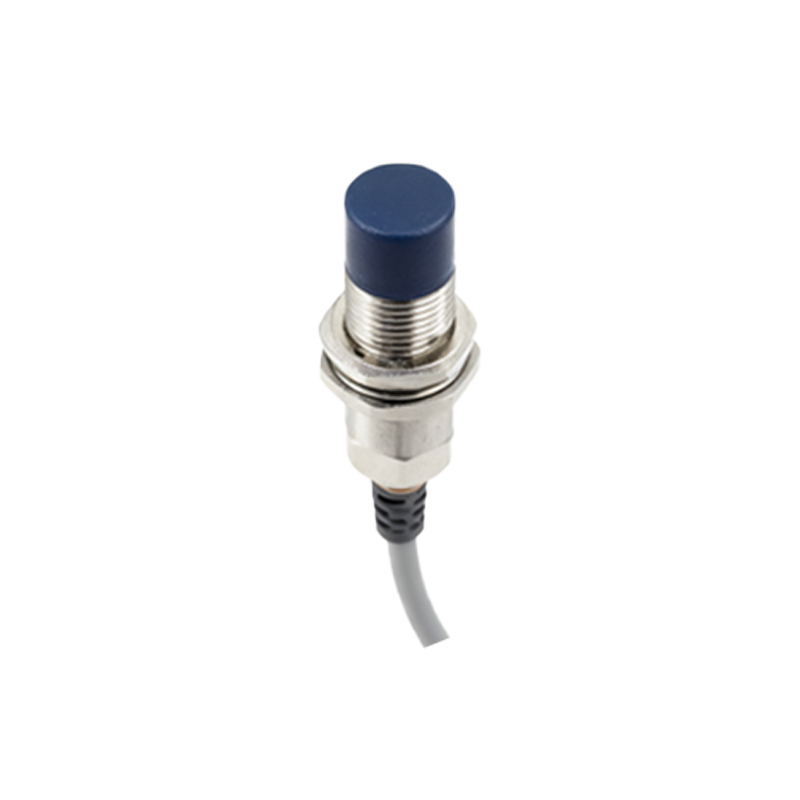
Proximity sensors in welding robots are non-contact devices designed to detect the presence, distance, or position of a target—typically the weld seam, joint, or workpiece—without physical interaction. They operate on various principles, with inductive, capacitive, and laser-based sensors being the most prevalent in welding environments. Inductive sensors are ideal for detecting ferrous metals at short ranges, making them suitable for initial part presence verification. Capacitive sensors can detect both metallic and non-metallic materials, useful in applications involving different materials. However, for the precise demands of seam tracking and gap detection in welding, laser displacement sensors and vision-based systems are often the technologies of choice.
The core function of these sensors is seam tracking and joint finding. In traditional robotic welding, the robot follows a pre-taught path. Any deviation in part placement, thermal distortion during welding, or inconsistencies in the workpiece geometry can lead to defective welds. Proximity sensors, particularly laser scanners, continuously scan the joint ahead of the welding torch. They generate a 3D profile of the seam, detecting its exact position, orientation, and even the gap width. This real-time data is fed back to the robot's controller, which dynamically adjusts the torch path, welding speed, and sometimes even parameters like wire feed rate or arc voltage to compensate for the detected variances. This ensures the weld bead is perfectly centered on the joint, every time.
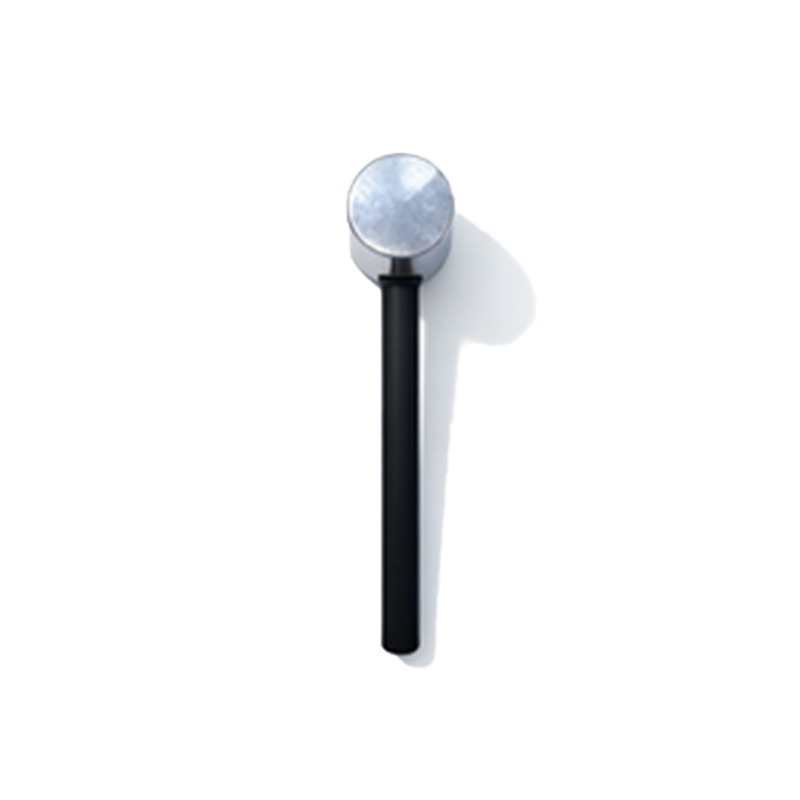
Another crucial application is maintaining a consistent torch-to-work distance (standoff distance). The arc characteristics and weld quality are highly sensitive to this distance. Using a proximity sensor, often a simple inductive or capacitive type mounted near the torch, the robot can monitor the distance to the workpiece surface. If the distance changes due to part warping or an uneven surface, the robot can adjust the torch height in real-time to maintain the optimal standoff, ensuring stable arc conditions and consistent penetration.
The benefits of integrating proximity sensing are substantial. First and foremost is the dramatic improvement in weld quality and consistency. By adapting to part variations, robots produce fewer defects like lack of fusion or burn-through, reducing scrap and rework. Secondly, it significantly reduces programming and fixturing costs. With sensor-based adaptive welding, the need for extremely precise and costly fixtures to hold parts in perfect alignment is lessened. The robot can accommodate larger tolerances in part positioning, simplifying logistics and setup. Furthermore, it enables the automation of welding tasks that were previously considered too variable for robots, such as welding on large, distorted structures in shipbuilding or heavy equipment manufacturing.
However, implementing these systems requires careful consideration. The harsh welding environment presents challenges like intense arc glare, spatter, high temperatures, and electromagnetic interference. Sensors must be robustly housed, often with protective lenses or air purge systems to keep them clear of spatter and smoke. Laser sensors may require specific filters to ignore the bright arc light. The choice of sensor depends on the material, required accuracy, sensing range, and environmental conditions. System integration and sensor calibration are also critical to ensure accurate data interpretation by the robot controller.
Looking forward, the evolution of proximity sensing in welding robots is intertwined with advancements in machine vision and artificial intelligence. Modern systems combine high-resolution 3D laser scanning with sophisticated algorithms that can not only track a seam but also classify joint types (e.g., lap, butt, fillet) and prescribe the optimal welding strategy autonomously. This moves robotic welding further towards true cognitive flexibility.
In conclusion, proximity sensors are the enabling technology that transforms a welding robot from a rigid, repetitive machine into an adaptive and intelligent manufacturing tool. By providing real-time feedback about the immediate welding environment, they bridge the gap between the digital programmed path and the physical, imperfect world. This capability is fundamental to achieving higher quality, greater flexibility, and improved efficiency in modern automated welding, solidifying their role as an indispensable component in the Industry 4.0 smart factory.