Proximity ultrasonic sensors are pivotal components in modern industrial automation, offering non-contact detection of objects regardless of their material, color, or surface texture. By emitting high-frequency sound waves and analyzing the reflected echo, these sensors provide precise distance measurement and presence detection. Their versatility makes them indispensable across various sectors. This article explores the primary types of proximity ultrasonic sensors and their specific applications.
The fundamental categorization of proximity ultrasonic sensors is based on their output type and sensing range. The most common types include Analog Output Sensors, Digital Output Sensors (including Switching Sensors), and Background Suppression Sensors.
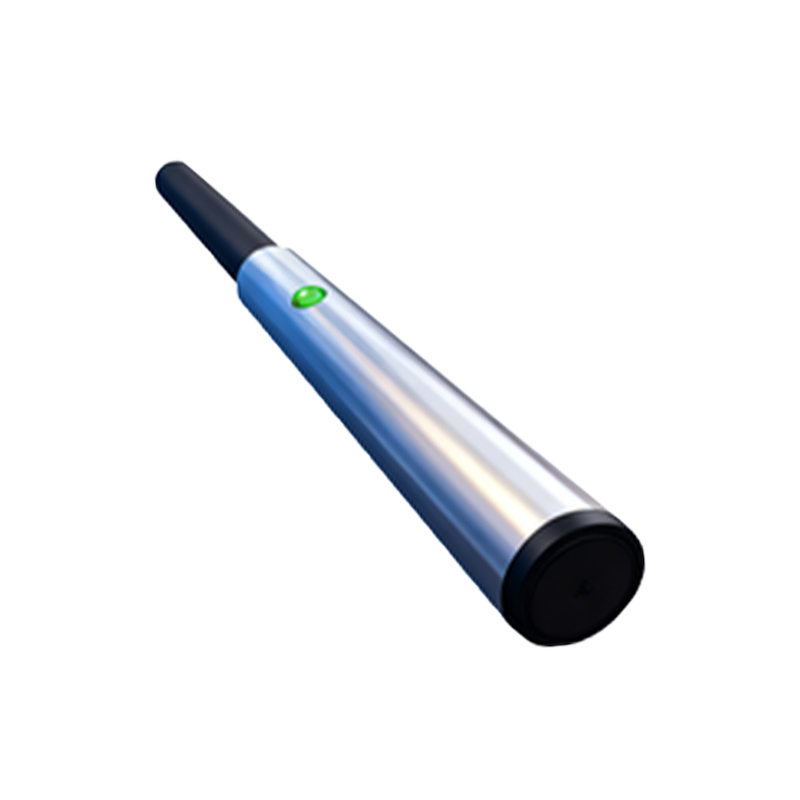
Analog Output Sensors provide a continuous voltage or current signal proportional to the measured distance. Common analog outputs are 0-10V DC or 4-20mA. These sensors are ideal for applications requiring precise positioning or continuous level monitoring. For instance, in liquid tank level control, an analog ultrasonic sensor continuously measures the fluid height, allowing for precise pump control and inventory management. Similarly, in automated assembly lines, they guide robotic arms by providing real-time feedback on the position of components on a conveyor belt.
Digital Output Sensors, often called switching sensors, provide a discrete ON/OFF signal when an object enters a predefined sensing window. They are simpler to integrate and are used for basic object detection, counting, or jam detection. A typical application is on packaging lines, where a digital ultrasonic sensor detects the presence of a box to trigger a labeling arm. Their key advantage is immunity to environmental factors like dust or light interference, which often plague optical sensors.
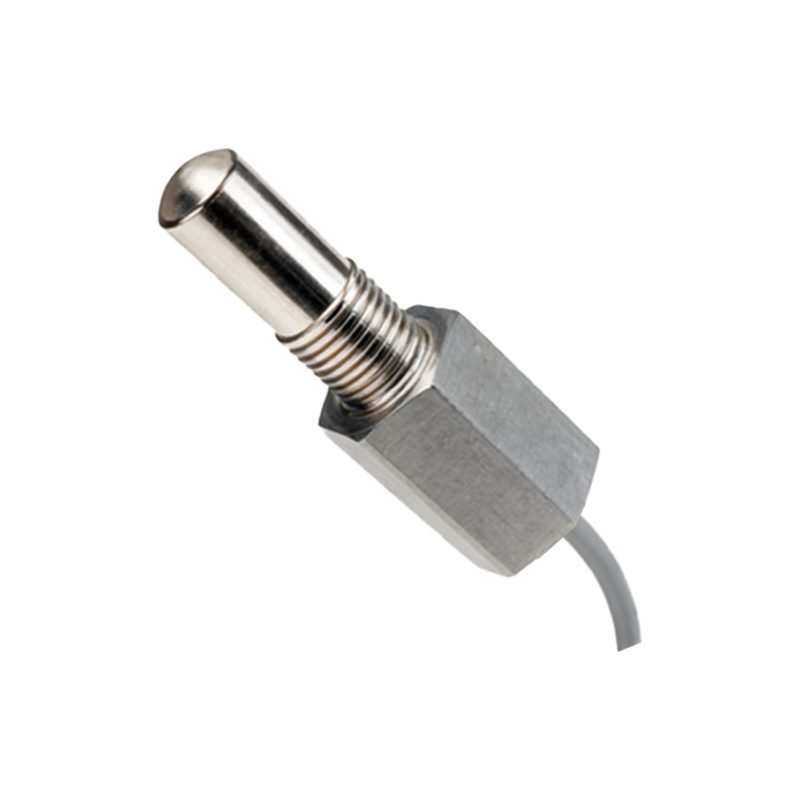
A specialized variant is the Ultrasonic Sensor with Background Suppression. This type uses sophisticated echo processing to ignore objects beyond a set maximum range, focusing only on a defined "zone." This is crucial in applications where the sensor must detect an object on a conveyor while ignoring the factory wall or machinery behind it. It enhances reliability in complex environments.
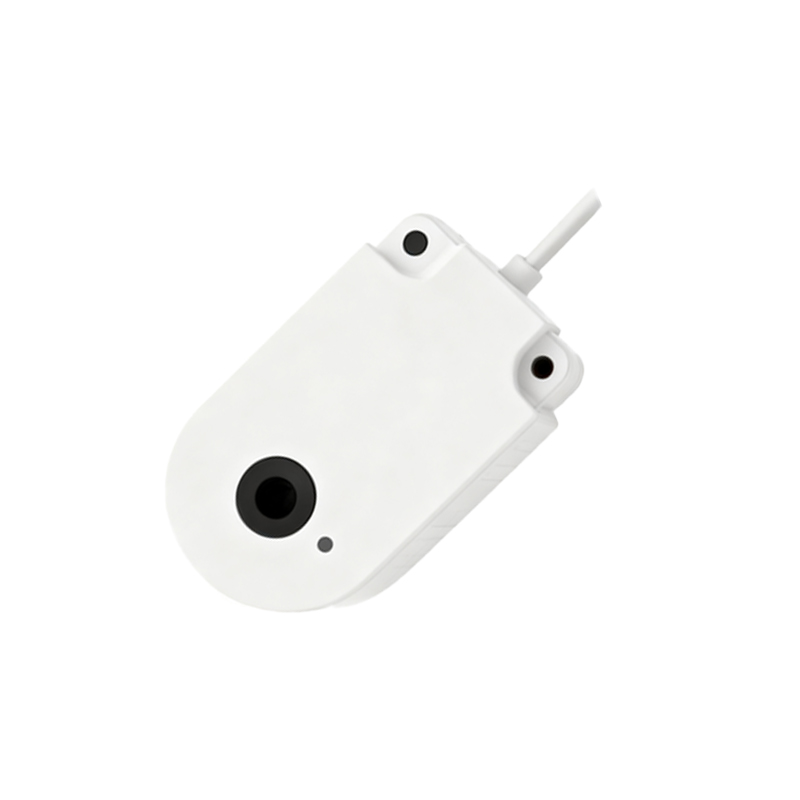
Another important distinction is between Diffuse Mode (Proximity Mode) and Through-Beam Mode sensors. Most standard proximity sensors operate in diffuse mode, where a single unit acts as both transmitter and receiver. Through-beam ultrasonic sensors consist of separate transmitter and receiver units. The object is detected when it interrupts the ultrasonic beam between them. This configuration offers a longer sensing range and higher precision, suitable for detecting very small or transparent objects that might not reflect sound waves effectively in diffuse mode.
Regarding form factor and housing, ultrasonic sensors come in cylindrical barrels (e.g., M12, M18, M30 threaded barrels) for easy mounting, as well as rectangular or block-style housings for specific applications. Key specifications to consider include Sensing Range (from a few centimeters up to several meters), Response Time, Operating Frequency (typically between 40 kHz and 400 kHz), and environmental ratings like IP67 for dust and water resistance.
The applications of proximity ultrasonic sensors are vast. In the automotive industry, they are used for robot-guided welding and paint spraying, ensuring consistent distance to the car body. In material handling, they control the loop of web materials like paper or textiles. In food and beverage, they monitor fill levels in opaque bottles or containers. A growing application is in autonomous mobile robots (AMRs) and automated guided vehicles (AGVs) for collision avoidance and navigation.
When selecting an ultrasonic sensor, engineers must evaluate the target's properties (size, surface), the environmental conditions (temperature, humidity, noise, air turbulence), and the required precision. While ultrasonic sensors excel in harsh, dirty environments, their limitations include a relatively slower response time compared to inductive or capacitive sensors and potential inaccuracies with sound-absorbing materials like foam.
In conclusion, the family of proximity ultrasonic sensors—encompassing analog, digital, background suppression, and through-beam types—provides a robust, flexible solution for non-contact sensing. Their ability to operate reliably in challenging conditions solidifies their role as a cornerstone of industrial automation, driving efficiency and enabling sophisticated control systems. As technology advances, we can expect further miniaturization, faster processing, and enhanced connectivity through IO-Link and other industrial networks, expanding their capabilities even further.