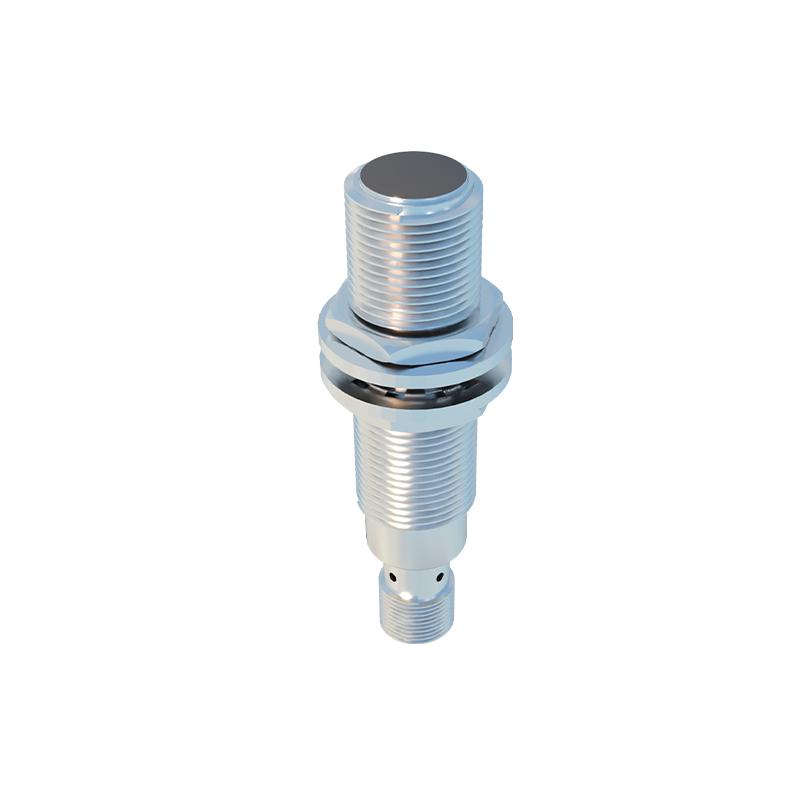
In the realm of industrial automation, precision, reliability, and environmental adaptability are paramount. The non-metallic proximity sensor, particularly in the compact 5MM form factor, has emerged as a critical component for detecting objects without physical contact, especially in challenging environments where traditional metallic sensors falter. This article delves into the technical specifications, operational principles, key advantages, and typical applications of these sophisticated sensing devices.
At its core, a non-metallic proximity sensor 5MM operates primarily on capacitive sensing technology. Unlike inductive sensors that detect only metals, capacitive sensors can detect a wide range of materials, including plastics, glass, wood, liquids, and granular substances. The sensor generates an electrostatic field. When a target object enters this field, it causes a measurable change in capacitance. The integrated oscillator circuit detects this change and triggers a switching signal in the sensor's output circuit. The "5MM" designation refers to the nominal sensing distance, which is typically 5 millimeters. This short range is ideal for precise positioning and detection in confined spaces. It is crucial to note that the effective sensing distance (Sn) can vary based on the target material's dielectric constant, size, and environmental conditions like temperature and humidity.
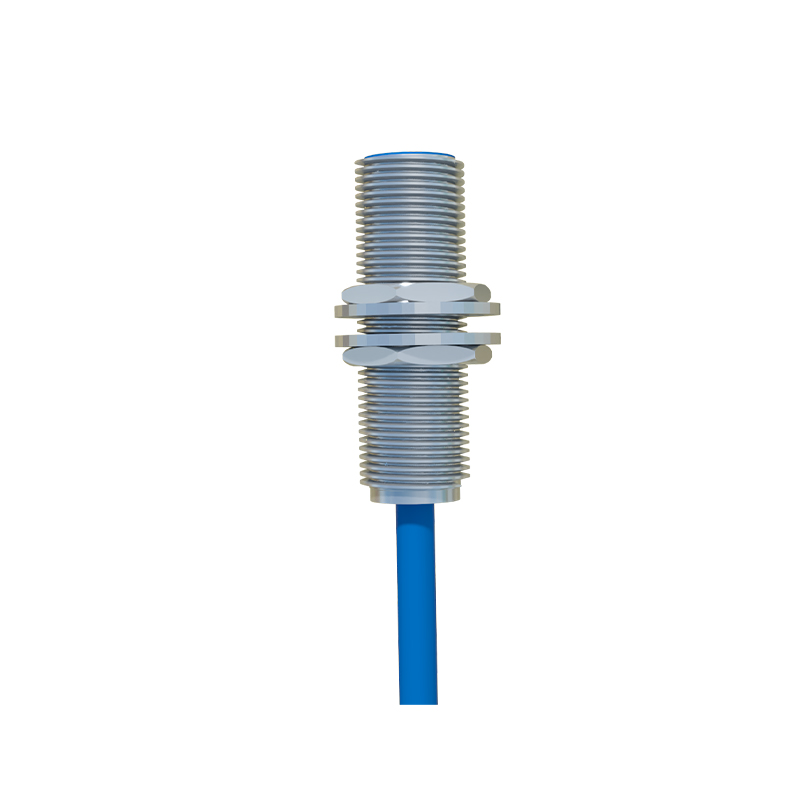
The construction of a 5MM non-metallic sensor is a study in robust engineering. The housing is manufactured from high-grade, chemically resistant polymers such as PBT or PPS, ensuring exceptional durability against corrosion, acids, alkalis, and washdowns. This makes them indispensable in food & beverage, pharmaceutical, and chemical processing industries. The sensing face is also non-metallic, often a ceramic or specially formulated plastic, allowing the electrostatic field to project effectively. Internally, the electronics are potted with epoxy resin to withstand severe vibration and shock, guaranteeing a long operational life even in harsh settings.
Key performance advantages set these sensors apart. First is their material-agnostic detection capability. They can reliably sense non-conductive targets, solving detection problems where inductive sensors are useless. Second, their immunity to environmental factors is superior. They are not affected by dust, non-conductive chips, or oil films (unless conductive), making them suitable for dirty environments. Third, the all-plastic body ensures they do not interfere with or are not affected by strong magnetic fields, a common issue near motors or welding equipment. Finally, their compact size allows for installation in extremely tight locations on machinery, facilitating innovative design solutions.
When selecting a 5MM non-metallic proximity sensor, engineers must consider several parameters beyond the sensing distance. The output type is fundamental: PNP (sourcing) or NPN (sinking) transistor outputs are standard, with 3-wire configurations being most common. Some models offer analog (4-20mA, 0-10V) or IO-Link outputs for advanced diagnostics and parameterization. The supply voltage range, typically 10-30V DC, must match the control system. Key specifications like switching frequency (response speed), hysteresis, and protection ratings (e.g., IP67, IP69K for high-pressure cleaning) are critical for application success. Temperature stability is also vital, with standard operating ranges from -25°C to +70°C.
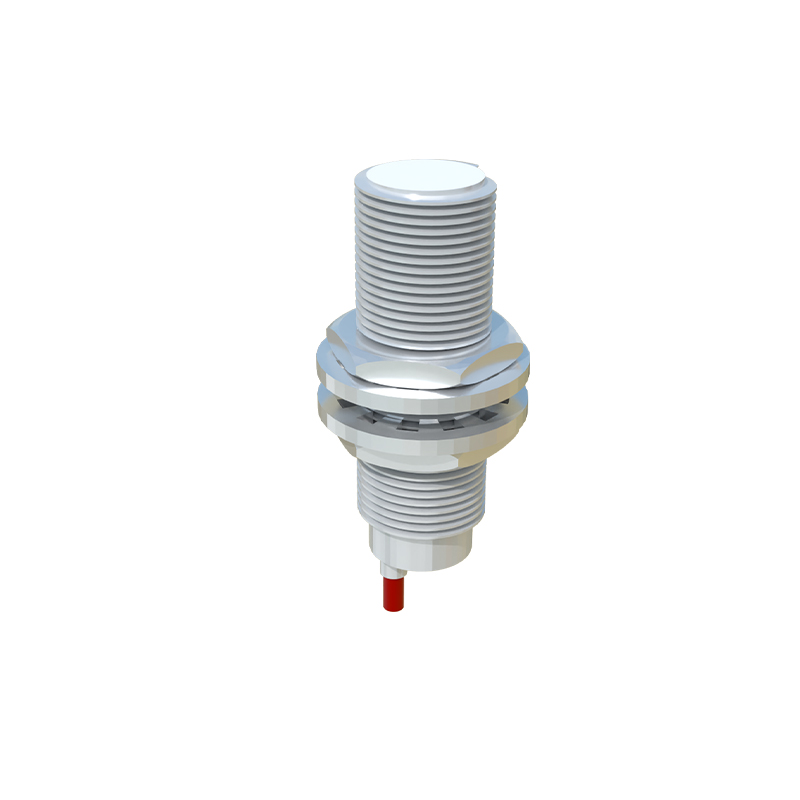
Application examples abound across industries. In packaging machinery, they detect the presence of plastic bottles or cardboard boxes on a conveyor. In woodworking, they sense the position of wooden panels. In liquid processing, they monitor fill levels in non-metallic tanks or pipes. In semiconductor manufacturing, they handle wafers and components without risk of metallic contamination. Their use in assembly lines to verify the presence of plastic components or gaskets is also widespread. A crucial installation tip is to ensure a stable mounting and maintain the recommended clearance from surrounding metal parts (typically 2-3 times the sensor diameter) to prevent false triggering from the mounting bracket itself.
In conclusion, the non-metallic proximity sensor 5MM is a versatile and robust solution for modern industrial sensing challenges. Its ability to detect diverse materials in tough conditions, coupled with a compact and durable design, makes it an essential tool for automation engineers seeking to enhance system reliability, flexibility, and hygiene. As industries continue to automate processes involving more non-traditional materials, the role of these precise capacitive sensors will only become more central to efficient and intelligent manufacturing.