Proximity switch sensor claws, often referred to as sensing fingers or actuator tabs, are critical components in industrial automation systems. These small yet vital parts interact directly with proximity sensors to detect the presence or position of objects without physical contact. As an electrical engineer with years of field experience, I’ve seen how the proper selection and application of sensor claws can significantly enhance system reliability, reduce downtime, and optimize machine performance.
In essence, a proximity switch sensor claw is a metallic or non-metallic extension attached to a moving part, such as a cylinder rod, rotary actuator, or sliding mechanism. When the claw enters the sensing range of a proximity sensor—be it inductive, capacitive, or magnetic—it triggers a signal that can be used for control, monitoring, or safety purposes. The design and material of the claw must align with the sensor type. For inductive sensors, which detect metallic objects, claws are typically made of ferrous metals like steel or iron. Non-ferrous metals like aluminum or brass may require special sensor adjustments due to their lower magnetic permeability. For capacitive sensors, which respond to both metallic and non-metallic materials, claws can be crafted from plastics, ceramics, or composites, depending on the application environment.
One key consideration is the claw’s geometry. Common shapes include flat tabs, cylindrical pins, or custom profiles, each influencing the sensor’s effective sensing distance and repeatability. Engineers must account for factors like mounting alignment, vibration, and thermal expansion to prevent false triggers or missed detections. For instance, in high-speed packaging lines, a misaligned claw can cause erratic sensor responses, leading to production errors. I recommend using CAD simulations during the design phase to model the claw’s movement and ensure it consistently enters the sensor’s detection zone.
Material selection is equally crucial. In corrosive environments, such as chemical plants or marine settings, stainless steel or coated claws offer durability. For food and beverage industries, FDA-approved plastics like POM or PTFE are preferred to avoid contamination. Additionally, the claw’s size and mass should be minimized to reduce inertia, especially in rapid-cycling applications, where excessive weight can cause mechanical wear or delay response times.
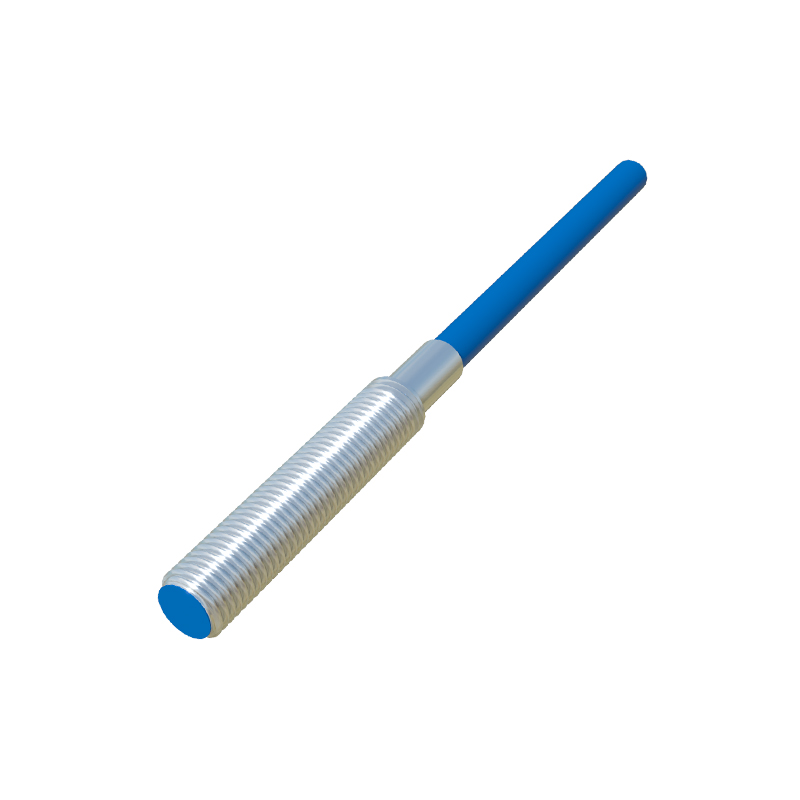
Installation and maintenance practices play a pivotal role in longevity. Sensor claws should be securely fastened to prevent loosening from vibrations—using locknuts or thread-locking compounds is advisable. Regular inspections for wear, deformation, or debris accumulation are essential; even minor damage can alter detection characteristics. In one case study, a manufacturing facility reduced sensor-related failures by 40% after implementing a quarterly checklist for claw integrity and alignment.
From a technical standpoint, understanding the sensor’s specifications is non-negotiable. Key parameters include sensing distance (rated and effective), hysteresis, and switching frequency. The claw must be sized to operate within the sensor’s nominal range, typically at 70–80% of the rated distance to account for tolerances. For example, if an inductive sensor has a 10mm range, positioning the claw 7–8mm away ensures reliable operation despite voltage fluctuations or temperature changes. Engineers should also consider environmental factors like electromagnetic interference (EMI), which can affect sensor performance; shielding or using twisted-pair cables may be necessary.
Innovations in sensor technology are expanding claw applications. With the rise of IO-Link and smart sensors, claws can now be part of predictive maintenance systems, where data on detection patterns helps forecast wear or misalignment. Additionally, 3D printing allows for rapid prototyping of custom claws, enabling tailored solutions for complex machinery. However, traditional principles remain relevant: always verify compatibility between the claw material and sensor type, and conduct real-world testing before full-scale deployment.
In summary, proximity switch sensor claws are more than mere accessories—they are integral to precise automation. By focusing on design, material, and maintenance, engineers can leverage these components to build robust, efficient systems. Whether in automotive assembly, material handling, or robotics, a well-engineered claw ensures that proximity sensors perform accurately, contributing to overall operational excellence.