In the realm of industrial automation and electrical engineering, proximity sensors are indispensable components for detecting the presence or absence of objects without physical contact. While many types, such as inductive, capacitive, and photoelectric sensors, are widely utilized, there are several common proximity sensors that are explicitly excluded from standard industrial setups due to specific limitations or niche applications. This article explores these excluded sensors, detailing their characteristics and reasons for their omission in typical industrial environments.
Firstly, ultrasonic proximity sensors, though effective in certain contexts, are often excluded from high-noise industrial settings. These sensors operate by emitting sound waves and measuring the time taken for echoes to return. However, in environments with excessive ambient noise or vibrations—common in manufacturing plants—ultrasonic sensors can suffer from interference, leading to inaccurate readings. Their reliance on acoustic waves makes them susceptible to factors like air turbulence, temperature variations, and humidity, which can degrade performance. As a result, industries prioritize more robust options like inductive sensors for metal detection or capacitive sensors for non-metallic materials, ensuring reliability in harsh conditions.
Secondly, magnetic proximity sensors are another category frequently omitted in standard industrial applications. These sensors detect magnetic fields, typically from permanent magnets, and are simple in design. However, their use is limited to scenarios involving ferromagnetic materials, and they can be easily affected by external magnetic fields present in machinery or electrical equipment. In complex industrial layouts with multiple electromagnetic sources, magnetic sensors may trigger false positives or fail to operate consistently. Consequently, they are reserved for specialized tasks, such as in automotive or low-interference environments, rather than mainstream automation systems where precision is critical.
Thirdly, infrared (IR) proximity sensors are commonly excluded from many industrial setups due to their sensitivity to environmental factors. IR sensors work by emitting infrared light and detecting its reflection, but they can be impaired by dust, smoke, or bright ambient light—common in factories or outdoor installations. For instance, in welding areas or dusty warehouses, IR sensors might malfunction, posing safety risks. Industries often opt for photoelectric sensors with modulated light sources or laser-based systems that offer better immunity to such interferences, ensuring stable operation in diverse conditions.
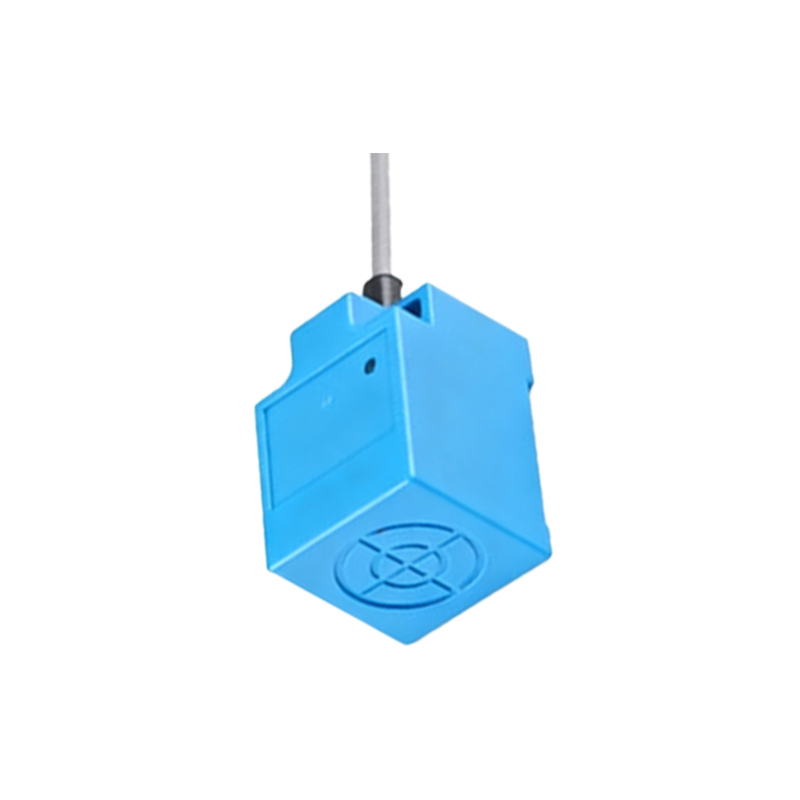
Additionally, touch-based or tactile sensors, while sometimes grouped under proximity technologies, are not included in typical proximity sensor discussions for industrial use. These sensors require physical contact to detect objects, contradicting the non-contact principle of proximity sensing. In fast-paced automation, tactile sensors can cause wear and tear, slowing down processes and increasing maintenance needs. Thus, they are categorized separately, often used in robotics for delicate handling rather than in general proximity detection applications.
Moreover, microwave proximity sensors are rarely incorporated into common industrial systems. These sensors use electromagnetic waves at microwave frequencies to detect objects, offering long-range capabilities. However, they are expensive, complex to calibrate, and can interfere with other electronic devices. In industries focused on cost-efficiency and simplicity, such as packaging or assembly lines, microwave sensors are considered overkill. Instead, simpler alternatives like inductive or capacitive sensors are preferred for short-range detection, balancing performance with affordability.
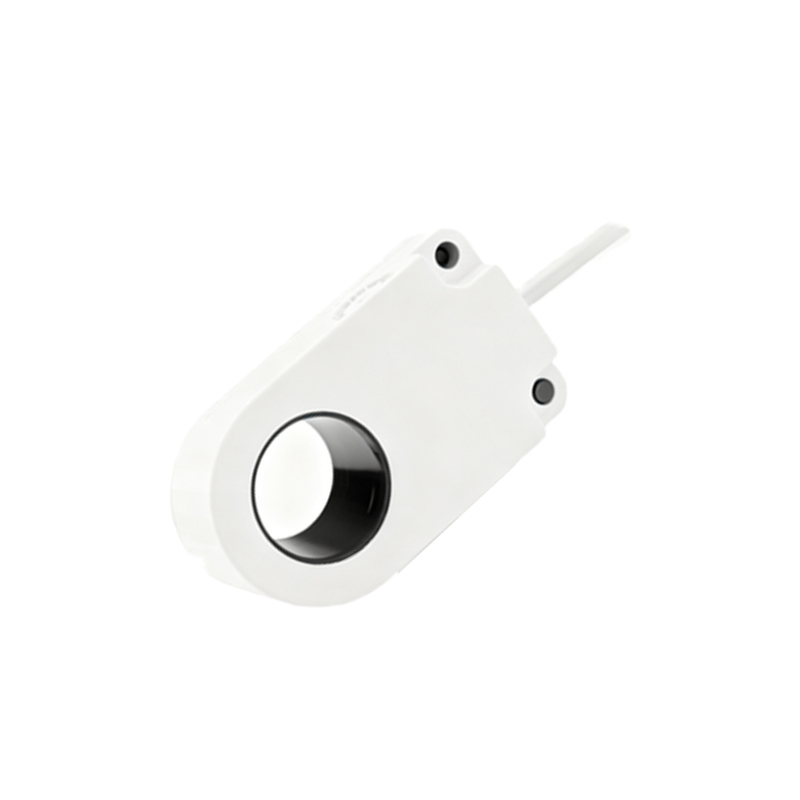
In summary, while proximity sensors are vital for modern industry, not all types make the cut for widespread adoption. Ultrasonic, magnetic, infrared, tactile, and microwave sensors are often excluded from standard industrial applications due to issues like environmental sensitivity, interference, cost, or specialization needs. Engineers typically select sensors based on factors like material compatibility, environmental resilience, and operational reliability, ensuring optimal performance in demanding settings. By understanding these exclusions, professionals can make informed decisions, enhancing system efficiency and safety in electrical and automation projects.