Proximity sensors are indispensable components in modern industrial automation, serving as non-contact detection devices that identify the presence or absence of objects within a specified range. These sensors operate by emitting an electromagnetic field, infrared light, or ultrasonic waves, and detecting changes in the field or signal return. Unlike mechanical switches, proximity sensors do not require physical contact with the target object, which minimizes wear and tear, reduces maintenance needs, and enhances operational reliability.
In industrial settings, proximity sensors are primarily used for object detection, position sensing, and counting applications. For instance, on conveyor belts, they detect the passage of items to trigger subsequent actions such as sorting, packaging, or quality control. In automated assembly lines, these sensors ensure precise positioning of components, preventing misalignment and improving production accuracy. Additionally, proximity sensors are employed in safety systems to monitor machine guards or hazardous areas, automatically shutting down equipment if an intrusion is detected, thereby protecting personnel and machinery.
There are several types of proximity sensors, each suited to specific environments and materials. Inductive proximity sensors detect metallic objects and are commonly used in metalworking, automotive manufacturing, and robotics. Capacitive proximity sensors can detect both metallic and non-metallic materials, including liquids and plastics, making them ideal for food processing, pharmaceutical, and packaging industries. Ultrasonic proximity sensors measure distance by emitting sound waves and are effective in challenging conditions such as dusty or humid environments. Infrared sensors, often used in object counting and level detection, rely on light beams and are prevalent in electronics and consumer goods manufacturing.
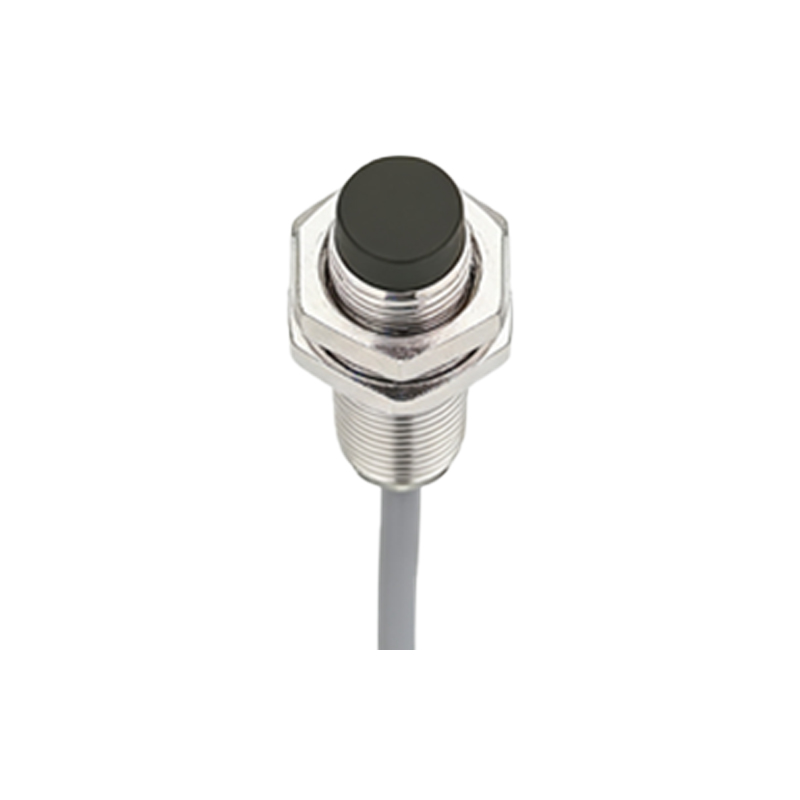
The advantages of proximity sensors extend beyond their non-contact nature. They offer high-speed response times, enabling real-time monitoring and control in fast-paced production lines. Their durability and resistance to environmental factors like vibration, temperature fluctuations, and contaminants ensure consistent performance in harsh industrial conditions. Moreover, proximity sensors contribute to energy efficiency by activating machinery only when needed, reducing power consumption and operational costs.
In summary, proximity sensors play a critical role in enhancing efficiency, safety, and precision across various industries. From manufacturing and logistics to automotive and aerospace, these devices enable seamless automation, reduce downtime, and support the advancement of smart factories. As technology evolves, proximity sensors continue to integrate with IoT systems, providing data for predictive maintenance and optimized processes, further solidifying their importance in the industrial landscape.