In the realm of modern smartphone design, proximity sensors have become a fundamental component, yet their presence and functionality can vary across devices. This article delves into the technical aspects, prevalence, and applications of proximity sensors in smartphones, providing insights for industry professionals and enthusiasts alike.
A proximity sensor is an electronic device designed to detect the presence or absence of nearby objects without physical contact. In smartphones, these sensors typically operate using infrared (IR) technology or capacitive sensing. The primary function is to sense when a user brings the phone close to their ear during a call, triggering the screen to turn off to prevent accidental touches and conserve battery life. Additionally, proximity sensors contribute to features like automatic screen wake-up when the phone is removed from a pocket or bag.
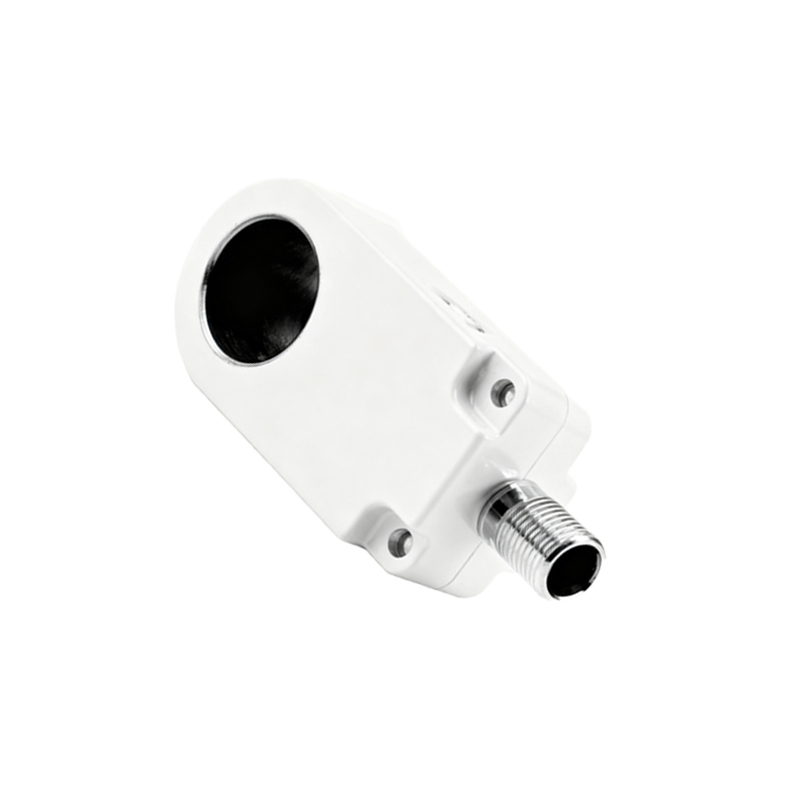
The vast majority of smartphones on the market today are equipped with proximity sensors. This includes high-end flagships from brands like Apple, Samsung, and Google, as well as mid-range and budget devices from manufacturers such as Xiaomi, Realme, and Motorola. The integration of proximity sensors is considered standard practice in smartphone manufacturing due to their essential role in enhancing user experience and device efficiency. However, there are exceptions. Some ultra-low-cost or niche devices, particularly older models or those designed for specific markets, may omit proximity sensors to reduce production costs. In such cases, software-based alternatives might be employed, though these are generally less reliable and can lead to issues like unintended screen activation.
From an engineering perspective, the implementation of proximity sensors involves careful calibration and integration with the device's hardware and software. IR-based sensors emit an infrared beam and measure its reflection to determine proximity. These sensors must be accurately placed, often near the earpiece, to avoid interference from other components. Capacitive sensors, on the other hand, detect changes in electrical fields caused by nearby objects. Both types require robust algorithms to filter out environmental noise, such as ambient light or moisture, which could cause false readings.
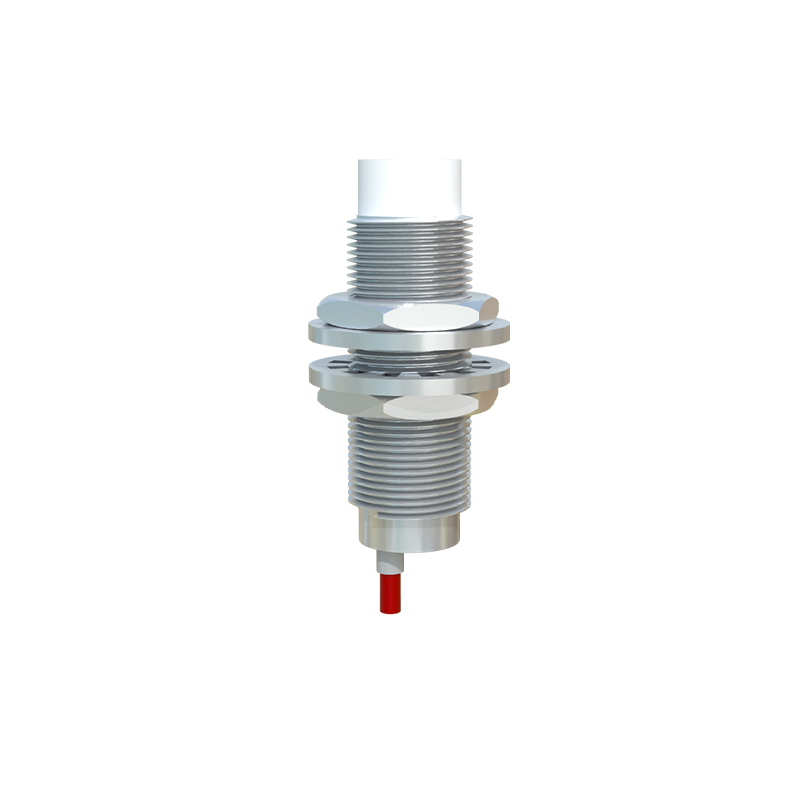
In terms of industry trends, the evolution of proximity sensors is closely tied to advancements in display technology. With the rise of bezel-less designs and under-display camera systems, manufacturers are exploring new sensor placements, including under the screen. This poses technical challenges, as traditional IR sensors can be obstructed by display layers, leading to reduced sensitivity. Research is ongoing into ultrasonic and time-of-flight (ToF) sensors that can operate effectively through OLED panels, promising more seamless integration in future smartphone generations.
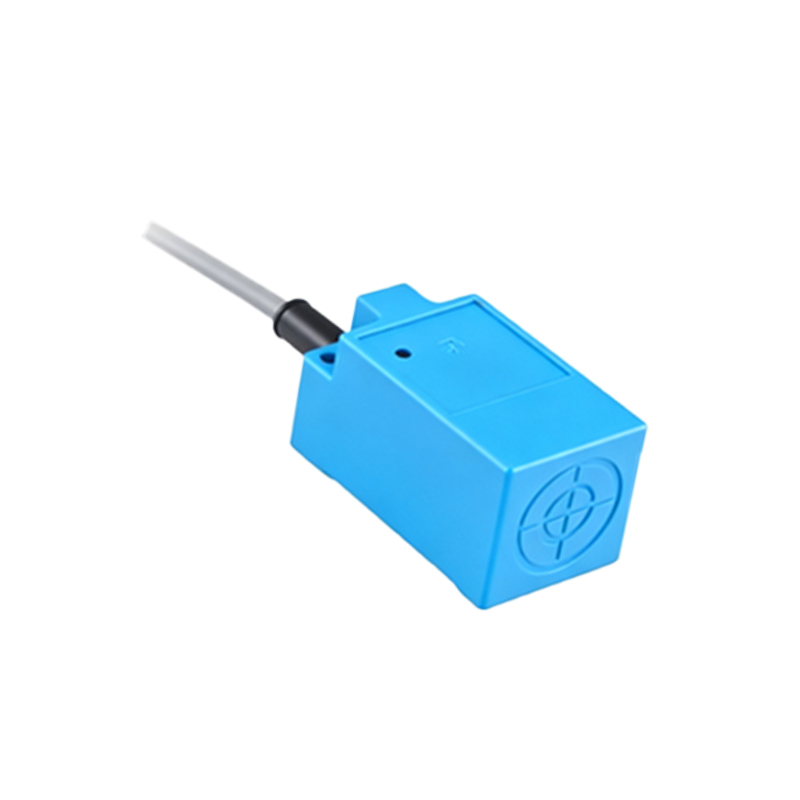
Beyond basic call functionality, proximity sensors enable a range of innovative features. For example, they are used in gesture controls, allowing users to interact with their phones without touching the screen—a useful capability in situations where hands-free operation is preferred. In automotive applications, smartphones with proximity sensors can interface with vehicle systems to enable safer driving experiences. Moreover, these sensors play a role in accessibility features, assisting users with disabilities by providing alternative input methods.
Despite their widespread adoption, proximity sensors are not without limitations. Common issues include sensor failure due to hardware damage, software glitches that cause erratic behavior, or calibration errors after device repairs. Troubleshooting often involves diagnostic tools or resetting the sensor settings, but hardware replacement may be necessary in severe cases. For consumers, checking a phone's specifications or using sensor-testing apps can confirm the presence and functionality of the proximity sensor.
In conclusion, while the overwhelming majority of smartphones include proximity sensors as a core component, it is not an absolute universal feature. Industry standards and consumer expectations drive their inclusion in most devices, but cost-cutting measures or design choices can lead to omissions in certain segments. As smartphone technology continues to evolve, the role of proximity sensors is likely to expand, with innovations aimed at improving accuracy and integration. For engineers and developers, understanding these sensors' principles and applications is crucial for designing next-generation mobile devices that meet user demands for convenience and performance.