In the realm of industrial automation and process control, the integration of sensing technology is paramount for ensuring efficiency, safety, and reliability. Among the diverse array of sensors available, the 24V proximity temperature sensor stands out as a critical component in modern electrical and mechanical systems. This article delves into the operational principles, key features, selection criteria, and typical applications of these versatile devices, providing a detailed overview for engineers and technical professionals.
A 24V proximity temperature sensor is essentially a non-contact device designed to detect the presence of an object and simultaneously measure its surface temperature. It operates on a standard 24V DC power supply, which is ubiquitous in industrial environments due to its safety and compatibility with Programmable Logic Controllers (PLCs) and other control systems. The "proximity" function typically relies on technologies such as inductive, capacitive, or ultrasonic sensing to detect metallic or non-metallic objects within a specified range without physical contact. Concurrently, the temperature measurement is often achieved through an infrared (IR) thermopile sensor, which gauges the infrared radiation emitted by the target to determine its temperature accurately.
The core advantage of combining proximity detection and temperature sensing into a single unit is the consolidation of functionality. This integration reduces the need for multiple discrete sensors, simplifying system design, minimizing installation points, and lowering overall wiring and maintenance complexity. For instance, in conveyor belt systems, a single 24V proximity temperature sensor can verify the presence of a product (like a metal component or a packaged good) and check if it is within an acceptable temperature range before it proceeds to the next stage of processing or packaging. This dual capability is invaluable for quality control and process monitoring.
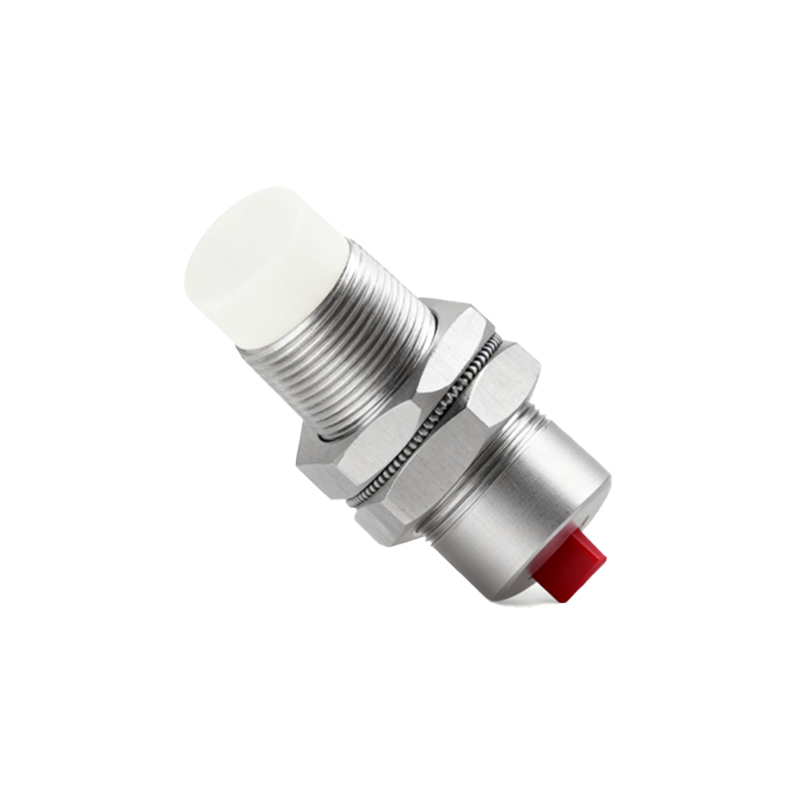
When selecting a 24V proximity temperature sensor for a specific application, several technical parameters must be carefully evaluated. The sensing range for both proximity and temperature is crucial; it defines the maximum distance at which the sensor can reliably detect an object and measure its temperature. The response time indicates how quickly the sensor can detect a change and output a signal, which is vital for high-speed production lines. Accuracy and resolution for temperature measurement are also critical, especially in processes where precise thermal management is required, such as in plastic molding or food processing. Environmental factors cannot be overlooked. Many industrial settings expose sensors to harsh conditions, including dust, moisture, oil, and extreme ambient temperatures. Therefore, sensors with robust housings (often rated IP67 or higher for ingress protection) and constructed from materials like stainless steel or ruggedized plastics are preferred. The output signal type is another key consideration. Common outputs include analog (4-20mA or 0-10V), which provides a continuous temperature reading, and digital (e.g., IO-Link, NPN/PNP switching signals), which can transmit both status and data. The choice depends on the requirements of the control system in place.
Typical applications for 24V proximity temperature sensors are widespread across various industries. In manufacturing, they are used for monitoring motor and bearing temperatures to prevent overheating and predict maintenance needs. In the automotive sector, these sensors can check the presence and temperature of components on assembly lines. Within the food and beverage industry, they ensure products are at correct temperatures during filling or sealing processes, contributing to both safety and compliance. Energy management systems also utilize them to monitor heat dissipation in electrical cabinets or HVAC components.
Installation and calibration are straightforward but require attention to detail. The sensor must be positioned correctly relative to the target, considering the recommended sensing distance and field of view for the IR thermometer. Avoiding obstructions and accounting for the target's emissivity—a material's effectiveness in emitting infrared energy—is essential for accurate temperature readings. Regular maintenance, such as cleaning the lens and verifying calibration, ensures long-term reliability and accuracy.

In conclusion, the 24V proximity temperature sensor represents a sophisticated fusion of detection and measurement technologies, offering a streamlined solution for complex industrial challenges. Its adoption enhances operational intelligence, promotes predictive maintenance strategies, and upholds stringent quality standards. As industries continue to advance toward greater automation and data integration, the role of such intelligent sensors will only become more pivotal, driving efficiency and innovation on the factory floor and beyond.