In the intricate world of industrial automation and machinery, the humble proximity sensor stands as a critical component, silently ensuring precision, safety, and efficiency. As an electrical engineer with years of field experience, I am often asked one recurring question: "Which brand of proximity sensor is truly the best?" The answer, as with most engineering decisions, is not a simple declaration of a single winner. It hinges on a nuanced evaluation of application requirements, performance specifications, and long-term reliability. This guide aims to dissect the key factors and highlight leading manufacturers to empower your selection process.
First and foremost, defining "best" requires context. Are you prioritizing extreme precision in a semiconductor fab? Unwavering durability in a steel mill? Cost-effectiveness for high-volume OEM production? Or seamless integration into a specific PLC ecosystem? The optimal brand shifts with these parameters.
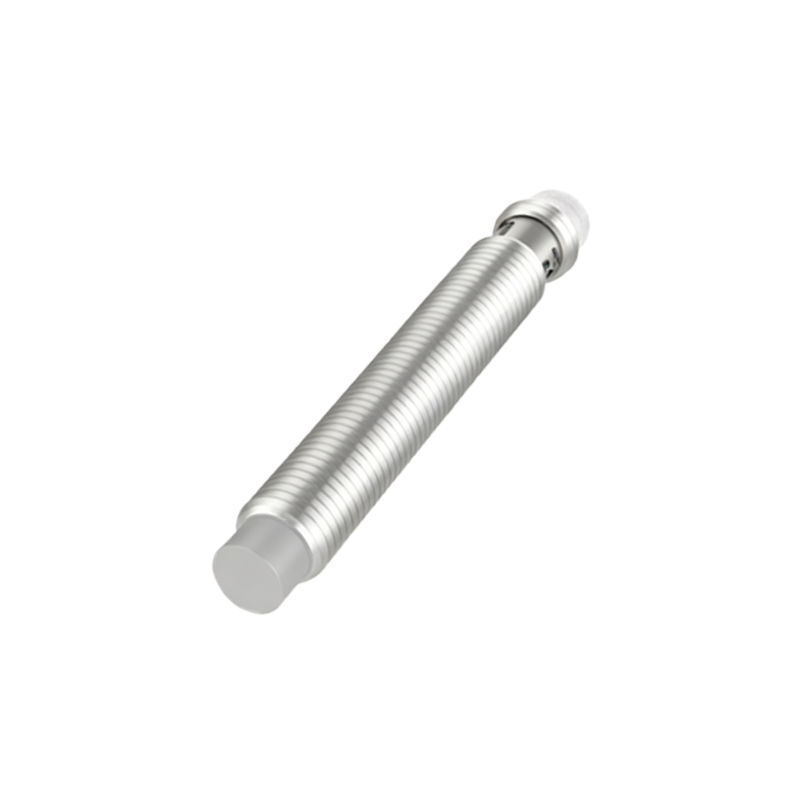
Several titans dominate the proximity sensor landscape, each with distinct strengths:
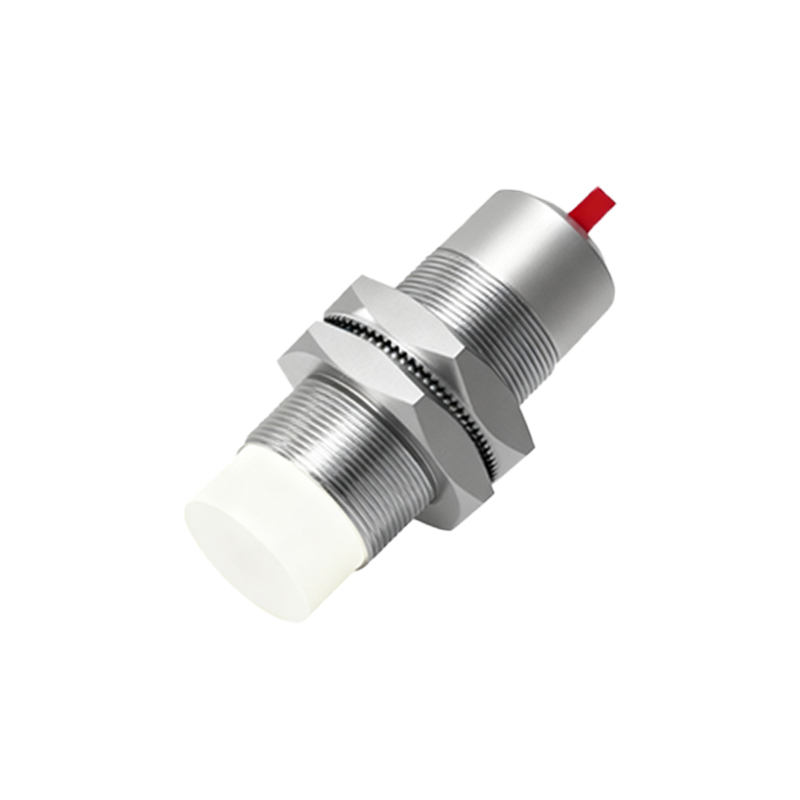
Sick AG is frequently the benchmark for innovation and high-performance sensing. Renowned for their robust design, exceptional sensing ranges, and advanced diagnostic capabilities, Sick sensors are often the go-to choice for demanding applications in logistics, automotive, and heavy industry. Their products excel in harsh environments with significant dust, moisture, or temperature variations. The trade-off is typically a higher price point, justified by longevity and reduced downtime.
Omron Corporation offers an unparalleled combination of reliability, a vast product portfolio, and global support. For engineers seeking a dependable workhorse with proven performance across millions of installations, Omron is a stellar choice. Their sensors are known for consistent quality, excellent noise immunity, and a wide range of form factors (inductive, capacitive, ultrasonic, photoelectric). They are particularly strong in factory automation lines and packaging machinery.
Pepperl+Fuchs is synonymous with intrinsic safety and expertise in hazardous areas. If your application involves potentially explosive atmospheres (ATEX, IECEx), Pepperl+Fuchs is often the undisputed leader. Their sensors are engineered with meticulous attention to safety certifications and robust housing. Beyond explosion protection, they provide high-quality standard inductive and capacitive sensors known for precision and durability.
Balluff GmbH stands out for its innovation in miniaturization and IO-Link communication technology. For space-constrained applications or those requiring advanced data exchange and parameterization from the sensor level, Balluff provides cutting-edge solutions. Their sensors are intelligent, offering not just a switching signal but also diagnostic data, which is crucial for predictive maintenance strategies in Industry 4.0 environments.
Allen-Bradley (Rockwell Automation) and Siemens hold significant sway, especially in North America and Europe respectively, due to ecosystem integration. If your control architecture is heavily based on Rockwell's PLCs or Siemens' TIA Portal, choosing their branded sensors can simplify wiring, configuration, and troubleshooting. While sometimes sourced from other manufacturers and rebranded, they guarantee compatibility and single-supplier support.
Key Selection Criteria Beyond Brand:
1. Sensing Technology: Inductive (for metals), Capacitive (for non-metals, liquids), Ultrasonic, or Photoelectric. The target material dictates this fundamental choice.
2. Environmental Rating: Look for IP (Ingress Protection) ratings (e.g., IP67, IP69K) for dust and water resistance, and temperature range specifications.
3. Electrical Output: PNP vs. NPN, NO vs. NC, and the choice between 2-wire, 3-wire, or 4-wire (with IO-Link) designs must match your control system's input card.
4. Performance Specs: Sensing distance (rated and practical), repeat accuracy, hysteresis, and switching frequency are critical for application success.
5. Mounting and Form Factor: Cylindrical (M8, M12, M18, M30), rectangular, or slot-style? The mechanical installation constraints are a primary driver.
Conclusion:
There is no universal "best" brand. For rugged, high-performance tasks, Sick is exceptional. For all-around reliability and breadth, Omron is a powerhouse. For hazardous areas, Pepperl+Fuchs is paramount. For smart, compact, and IO-Link enabled systems, Balluff leads. For seamless control system integration, Allen-Bradley or Siemens may be optimal.
The best practice is to shortlist 2-3 brands based on your core application needs (environment, target, precision). Then, request samples for real-world testing under actual operating conditions. Evaluate not just the sensor's performance, but also the supplier's technical support, local availability, and lifecycle costs. The "best" proximity sensor is the one that solves your specific engineering problem reliably, efficiently, and