In the realm of industrial automation, inductive proximity sensors are indispensable components for non-contact detection of metallic objects. Their reliability, durability, and precision make them critical in applications ranging from assembly lines and robotics to material handling and machine safety. As the demand for automation grows, selecting the right brand becomes paramount for ensuring system efficiency and longevity. This article explores leading brands that have set industry standards through innovation, quality, and global support.
Sick AG, a German powerhouse, is renowned for its high-performance sensors that excel in harsh environments. Their product range includes compact models with robust housing, resistant to dust, moisture, and extreme temperatures. Sick sensors often feature advanced diagnostics and IO-Link communication, enabling predictive maintenance and seamless integration into Industry 4.0 frameworks. With a focus on safety and precision, Sick is a top choice for automotive and packaging industries where accuracy is non-negotiable.
Omron Corporation, based in Japan, offers a diverse portfolio of inductive sensors known for exceptional reliability and cost-effectiveness. Omron’s E2E series, for instance, provides stable detection even in the presence of cutting fluids or vibrations, making them ideal for CNC machinery. The brand emphasizes miniaturization without compromising performance, catering to space-constrained applications. Omron’s global distribution network ensures easy availability and technical support, solidifying its reputation in sectors like electronics manufacturing and logistics.
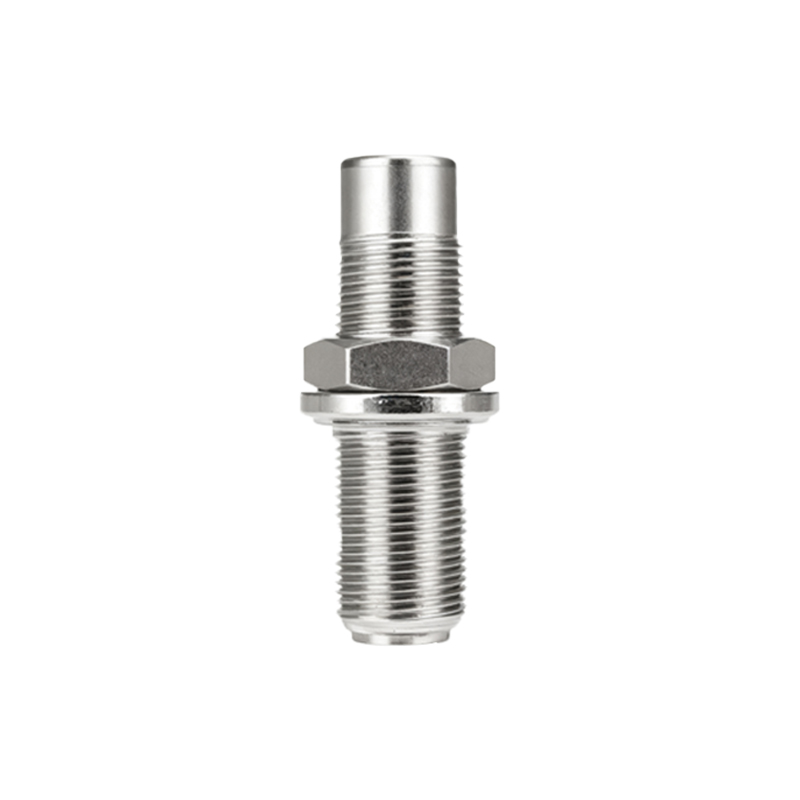
Pepperl+Fuchs, another German leader, specializes in sensor solutions for explosive and demanding atmospheres. Their inductive sensors are designed with intrinsic safety certifications, suitable for oil and gas or chemical plants. Pepperl+Fuchs excels in customization, offering variants with extended sensing ranges or specialized coatings for corrosion resistance. The brand’s commitment to innovation is evident in its development of hybrid sensors that combine inductive and capacitive technologies, providing versatility for complex automation tasks.
Balluff GmbH, with its roots in Germany, is celebrated for precision engineering and smart sensor capabilities. Balluff’s inductive sensors often incorporate RFID functionality, allowing for data exchange alongside object detection. This integration is pivotal in track-and-trace systems within smart factories. The brand’s modular design philosophy enables easy configuration, reducing downtime during installation or replacement. Balluff’s focus on connectivity aligns with industrial IoT trends, making it a favorite in automotive and aerospace sectors.
IFM Electronic, a global player, stands out for user-friendly designs and robust performance. IFM sensors are praised for their plug-and-play simplicity, with clear LED indicators for setup and diagnostics. The brand offers a wide array of form factors, including cylindrical and rectangular housings, to fit diverse mounting requirements. IFM’s emphasis on durability ensures long service life even in high-cycle applications, such as conveyor systems or metal stamping presses. Their comprehensive online resources and support further enhance customer experience.
Turck, a German-American manufacturer, provides innovative solutions like multi-voltage sensors that operate across a broad range without wiring changes. Turck’s inductive sensors are known for their resilience in electrically noisy environments, thanks to advanced shielding techniques. The brand also pioneers in connectivity with products supporting PROFINET and EtherNet/IP protocols, facilitating integration into modern control networks. Turck’s focus on flexibility and ruggedness makes it a reliable partner for heavy industries like mining and steel production.
When evaluating brands, key factors include sensing range, response time, environmental ratings (IP67/IP69K), and output types (PNP/NPN). Additionally, compatibility with industry standards and availability of technical documentation are crucial for seamless implementation. Leading brands invest in R&D to enhance features like energy efficiency and wireless capabilities, addressing evolving market needs.
In conclusion, the choice of an inductive proximity sensor brand hinges on specific application requirements, environmental conditions, and integration goals. Brands like Sick, Omron, Pepperl+Fuchs, Balluff, IFM, and Turck dominate the market through continuous innovation and proven reliability. By selecting a reputable brand, engineers can optimize automation systems for peak performance, ensuring safety, efficiency, and sustainability in industrial operations. As technology advances, these brands are poised to lead the way with smarter, more connected sensor solutions.