In the realm of industrial automation and control systems, proximity sensors stand as fundamental components for non-contact object detection. Among the diverse range of models available, the Proximity Sensor 1702 series represents a robust and versatile solution designed for demanding environments. This article delves into the technical specifications, operational principles, common applications, and key considerations for selecting and implementing the 1702 series sensor.
The Proximity Sensor 1702 is typically an inductive-type sensor, engineered to detect the presence of metallic objects without physical contact. Its core operating principle relies on generating an electromagnetic field from an oscillator circuit. When a ferrous or non-ferrous metal target enters this field, eddy currents are induced in the target, causing a change in the oscillation amplitude. This change is detected by the sensor's circuitry, which subsequently triggers a solid-state output switch. This non-contact method ensures high reliability, long operational life, and minimal maintenance, as there are no moving parts subject to mechanical wear.
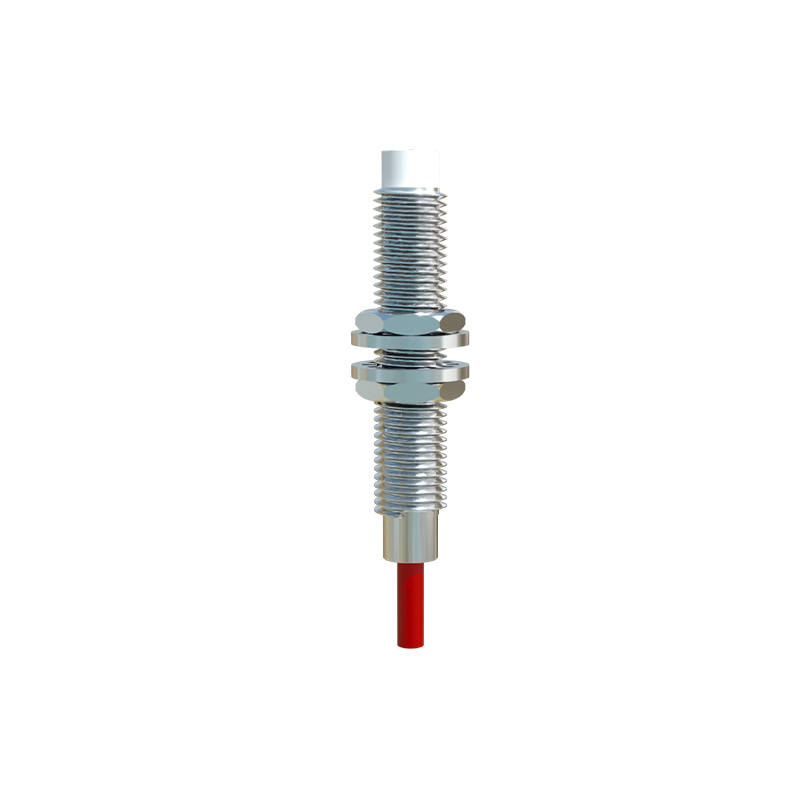
Key technical specifications define the performance envelope of the 1702 sensor. The sensing distance, a critical parameter, varies by model but is typically standardized (e.g., 2mm, 5mm, 8mm). It is crucial to note that this nominal sensing distance is defined for a standard mild steel target. For other metals, a correction factor must be applied; for instance, sensing distance for stainless steel or aluminum is reduced. The sensor housing is commonly constructed from nickel-plated brass or stainless steel, offering excellent resistance to oils, coolants, and industrial chemicals, aligning with IP67 or higher ingress protection ratings. The output configuration is usually a 3-wire design, supporting either NPN (sinking) or PNP (sourcing) DC transistor outputs, compatible with standard programmable logic controllers (PLCs) and control systems. Operating voltage ranges are typically from 10-30V DC, with a defined switching frequency that dictates how quickly the sensor can respond to successive targets.
The application spectrum for the Proximity Sensor 1702 is extensive across various industries. In automotive manufacturing, these sensors are indispensable for part presence verification on assembly lines, checking for components like pistons, gears, or engine blocks. Within packaging machinery, they provide precise detection of metallic labels, foil seals, or product positioning on conveyor systems. Material handling equipment utilizes 1702 sensors for end-of-travel detection on actuators, cylinder position feedback, and pallet counting. Their rugged construction also makes them suitable for harsh environments found in metalworking, where they monitor tool breakage, detect workpiece positioning on CNC machines, or control robotic arm movements.
Selecting the correct Proximity Sensor 1702 requires careful analysis of the application parameters. First, identify the target material. While inductive sensors detect metals, the specific type (steel, aluminum, copper) affects the effective sensing range. The required sensing distance should be chosen with a safety margin, typically 70-80% of the nominal rating, to account for mechanical tolerances and temperature variations. Environmental conditions are paramount; factors such as ambient temperature extremes, exposure to welding spatter, or strong electromagnetic interference can influence sensor choice, potentially necessitating specialized variants with higher temperature ratings or weld-field immunity. Electrical compatibility is non-negotiable. The sensor's output type (NPN/PNP) must match the input card of the controller. Furthermore, considering the connection method—pre-wired cable or quick-disconnect connector—impacts installation and maintenance ease.
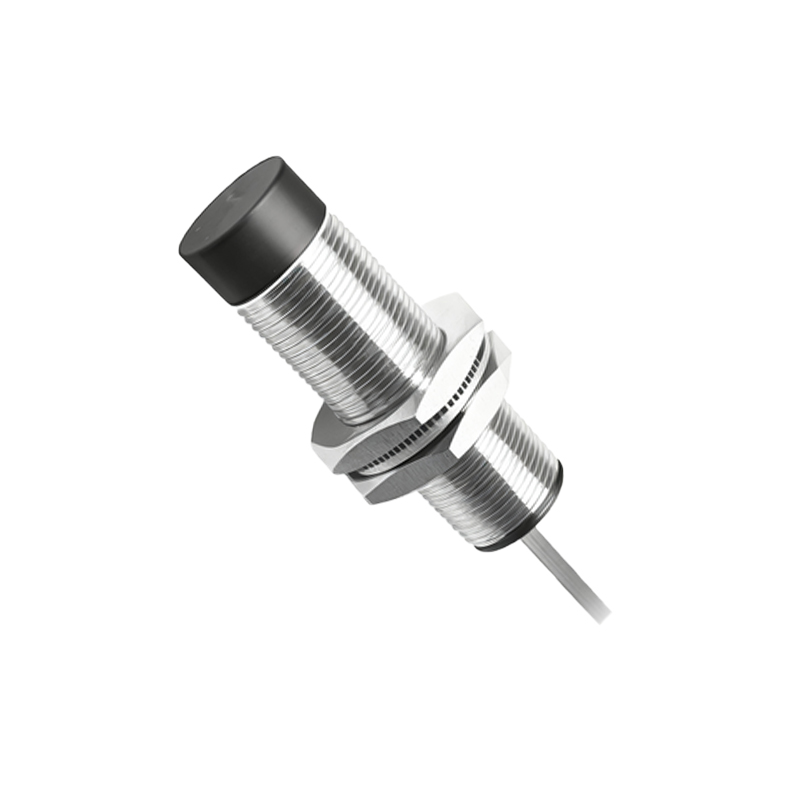
Installation and wiring practices significantly impact sensor performance and longevity. Maintaining the proper gap between the sensor's active face and the target is essential. Axial alignment is generally recommended for optimal sensing characteristics. Sensors should be mounted securely to minimize vibration, which can cause false triggering. In wiring, attention must be paid to polarity for DC models. Shielding the cable may be necessary in electrically noisy environments to prevent signal interference. For applications involving multiple sensors in close proximity, maintaining sufficient distance between units prevents mutual interference, a phenomenon where one sensor's field affects another.
In summary, the Proximity Sensor 1702 series embodies a critical link in modern automated systems, offering reliable, non-contact detection of metallic objects. Its design prioritizes durability, precision, and integration ease. Successful deployment hinges on a thorough understanding of its technical specs—sensing distance, output type, housing material—and a meticulous assessment of the application's mechanical, environmental, and electrical demands. By adhering to proper selection criteria and installation guidelines, engineers and technicians can leverage the 1702 sensor to enhance system reliability, improve safety, and optimize production efficiency across countless industrial processes.