In the realm of industrial automation, proximity switches serve as critical components for non-contact detection, enabling precise control and monitoring in various applications. The installation of these sensors, along with understanding their core functions, is paramount to ensuring operational efficiency, safety, and reliability in manufacturing and processing environments.
Proximity switches, often referred to as proximity sensors, operate by emitting an electromagnetic field or a beam of electromagnetic radiation (such as infrared light), and detecting changes in the field or return signal. The primary role of the sensor within a proximity switch is to convert the detected presence or absence of an object into an electrical signal. This signal is then transmitted to a control system, such as a programmable logic controller (PLC), which triggers subsequent actions—like starting or stopping a conveyor belt, counting items, or positioning machinery.
Proper installation is crucial for optimal sensor performance. Key considerations include mounting distance, orientation, and environmental factors. For inductive proximity switches, which detect metallic objects, the sensing distance must be calibrated to avoid false triggers from nearby materials. Capacitive variants, capable of sensing non-metallic materials, require careful adjustment to ignore background interference. Installation typically involves securing the sensor in a fixed location, ensuring alignment with the target object, and connecting wiring according to manufacturer specifications—common configurations include NPN (sinking) or PNP (sourcing) outputs. Environmental conditions such as temperature extremes, humidity, dust, and vibration can impact sensor longevity; thus, selecting sensors with appropriate ingress protection (IP) ratings is essential.
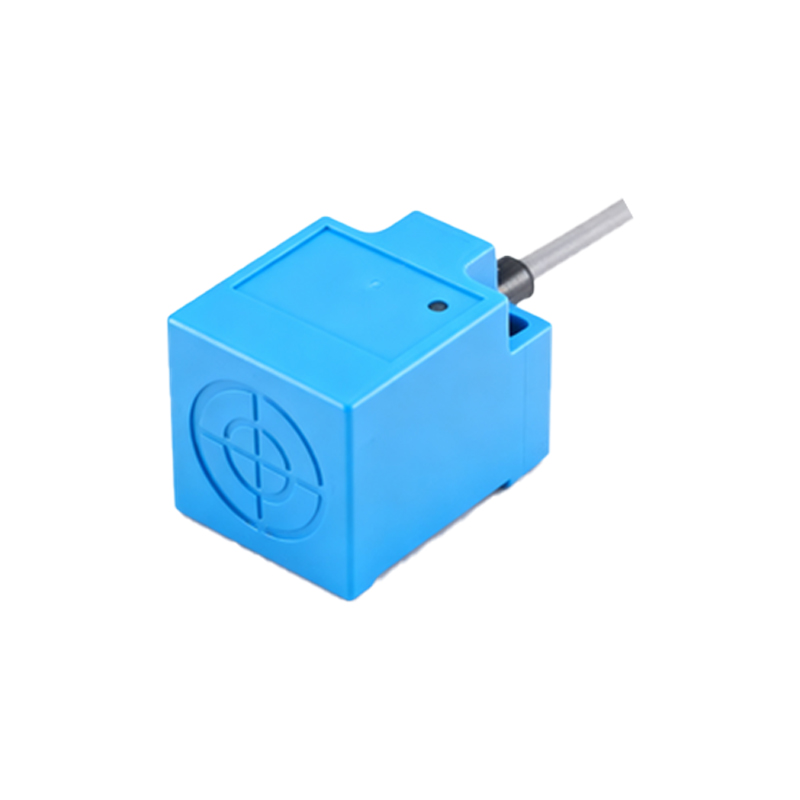
The functionality of the sensor extends beyond mere detection. Modern proximity switches incorporate features like short-circuit protection, noise immunity, and diagnostic capabilities. For instance, some sensors offer IO-Link communication, enabling real-time data exchange on parameters like operating distance and temperature, facilitating predictive maintenance. This enhances system uptime by allowing technicians to address issues before they lead to failures. In applications like robotic assembly lines, precise sensor installation ensures accurate part positioning, reducing errors and waste. In hazardous areas, properly installed intrinsically safe sensors prevent ignition risks.
Moreover, the integration of proximity sensors with broader Industrial Internet of Things (IIoT) networks amplifies their role. Data from installed sensors can be aggregated to analyze machine performance, optimize production cycles, and implement energy-saving measures. For example, in packaging machinery, sensors monitor product flow, triggering adjustments to speed or alignment, thereby maintaining consistent output quality.
In summary, the installation of proximity switches and the effective utilization of their sensor functions are foundational to automated systems. Correct installation ensures reliable object detection, while advanced sensor features contribute to smarter, more adaptive control. As industries evolve toward greater connectivity and automation, attention to these details will continue to drive productivity and innovation in electrical and mechanical engineering domains.