In the demanding world of industrial automation, process control, and outdoor applications, environmental resilience is paramount. Among the various sensing technologies, laser sensors stand out for their precision, speed, and non-contact measurement capabilities. However, standard laser sensors falter in the presence of moisture, dust, oils, and temperature extremes. This is where waterproof laser sensors become indispensable. This comprehensive guide delves into the world of waterproof laser sensors, exploring their types, operating principles, key applications, and critical selection factors.
Understanding Waterproof Laser Sensors
A waterproof laser sensor is essentially a standard laser-based measurement device—utilizing time-of-flight, triangulation, or phase-shift principles—encased within a robust housing designed to withstand ingress from liquids and solids. The degree of protection is standardized by the Ingress Protection (IP) rating, as defined by the IEC 60529 standard. For waterproofing, the second digit of the IP code is crucial. Common ratings for these sensors include IP67 (protected against temporary immersion in water up to 1 meter for 30 minutes), IP68 (protected against continuous immersion under conditions specified by the manufacturer, often deeper or longer than IP67), and the more robust IP69K (protected against close-range high-pressure, high-temperature water jets). This sealing prevents internal components like the laser diode, receiver optics, and processing electronics from corrosion and short-circuiting.
Primary Types and Technologies

Waterproof laser sensors are not a monolithic category; they vary based on the underlying measurement technology.
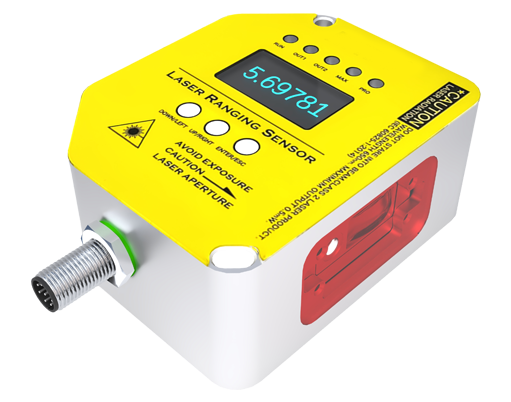
1. Waterproof Laser Distance Sensors: These are the most common type, used for precise position, level, or height measurement. They often employ time-of-flight (ToF) or phase-shift methods for long ranges (up to several hundred meters in some models) or triangulation for high-accuracy, short-range applications. Waterproof versions are vital for tank level monitoring in wastewater treatment or bulk material handling outdoors.
2. Waterproof Laser Displacement Sensors: Based primarily on triangulation, these sensors provide micron-level accuracy for measuring displacement, thickness, or vibration. Their waterproof housings allow deployment in machine tools where cutting fluids are present, in food processing lines requiring frequent washdowns (IP69K is typical here), or in coastal environments for structural monitoring.
3. Waterproof Laser Photoelectric Sensors: Used for object detection, these sensors have a waterproof emitter and receiver. They can be through-beam, retro-reflective, or diffuse-reflective types. Applications include vehicle detection in automated car washes, bottle counting on beverage filling lines, and part presence verification in maritime robotics.
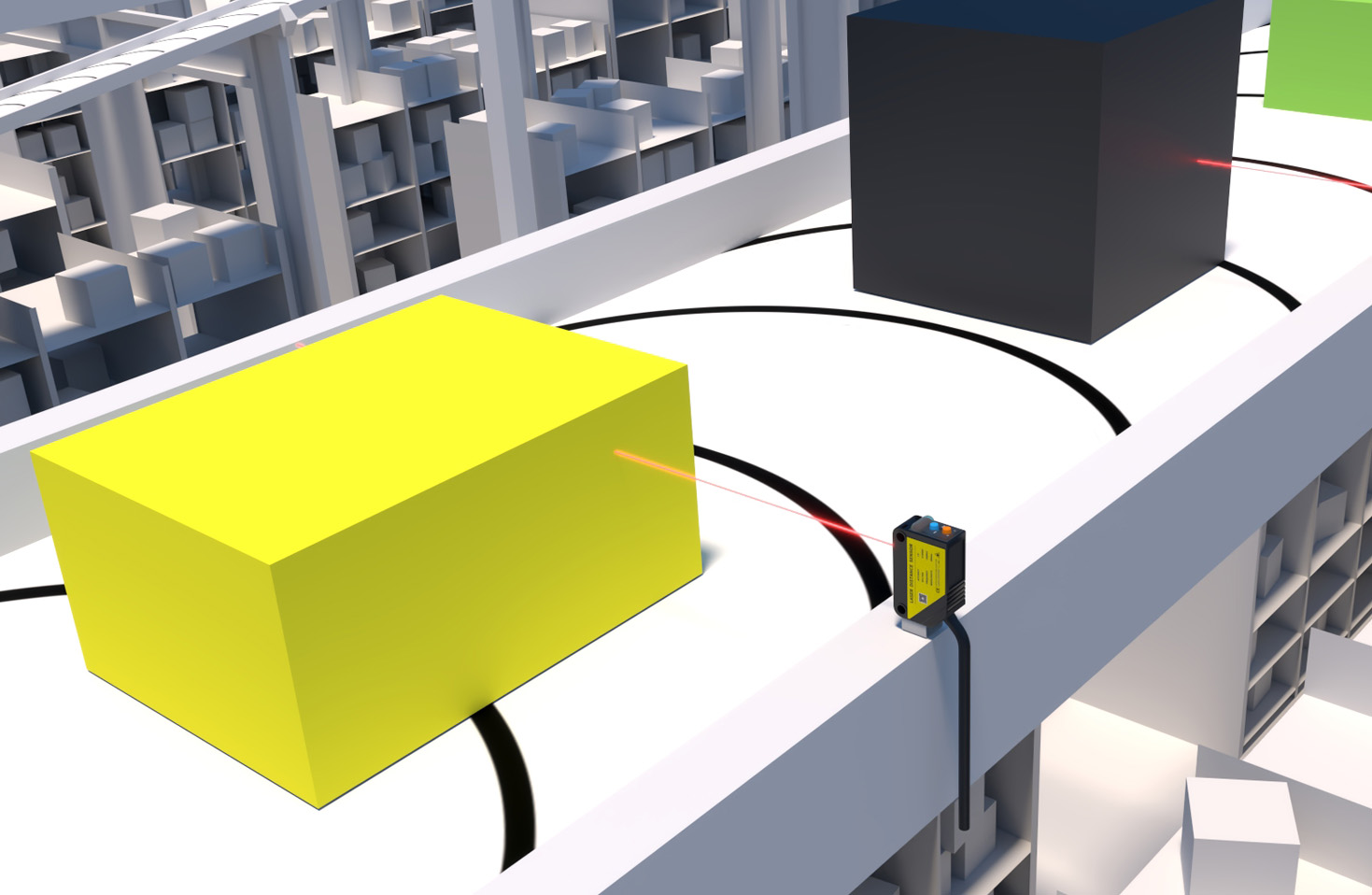
4. Waterproof LiDAR Sensors: While often associated with autonomous vehicles, industrial-grade waterproof LiDAR units are used for area scanning, obstacle detection, and mapping in challenging environments like mining operations, agricultural fields, and port automation.
Core Applications Across Industries
The utility of waterproof laser sensors spans numerous sectors:
* Manufacturing & Automation: On factory floors with washdown requirements (e.g., pharmaceuticals, food & beverage, packaging). They control robotic arms, inspect product dimensions, and ensure precise assembly, all while resisting sprays from cleaning cycles.
* Marine & Offshore: Monitoring hull deformation, measuring ballast tank levels, and aiding in docking systems. The high salinity and constant moisture demand sensors with high IP ratings and often corrosion-resistant materials like stainless steel.
* Agriculture & Forestry: Deployed on autonomous tractors and harvesters for terrain mapping, crop health scanning, and guidance systems, exposed to rain, mud, and dust.
* Water & Wastewater Management: Measuring sludge levels in clarifiers, monitoring weir heights, and controlling pump stations. These environments are inherently wet and chemically aggressive.
* Construction & Civil Engineering: For monitoring structural deformations in bridges or tunnels, machine control on excavators and pile drivers, and surveying in all weather conditions.
* Logistics & Material Handling: Guiding automated guided vehicles (AGVs) in warehouses, measuring pallet dimensions outdoors, and monitoring bulk material levels in silos exposed to the elements.
Critical Selection Criteria
Choosing the right waterproof laser sensor requires a detailed analysis of the application:
1. IP Rating: Determine the exact nature of liquid exposure. Is it occasional splashing (IP65/66), temporary immersion (IP67), permanent submersion (IP68), or high-pressure washdown (IP69K)? Never compromise on this rating.
2. Measurement Performance: Define required range, accuracy (linearity), resolution, and response time. Note that the protective window can slightly affect the optical performance, especially for very high-accuracy displacement sensors.
3. Laser Class & Wavelength: Most industrial sensors use Class 2 (visible red, 650nm) or Class 1 (invisible, often 905nm infrared) lasers. Class 1 is inherently safer for eye exposure. The wavelength can affect performance in different media (e.g., fog, steam).
4. Mechanical & Electrical Design: Consider housing material (plastic, aluminum, or stainless steel), connection type (M8/M12 connectors are industry standards for waterproofing), cable type (PVC or PUR), and output signals (analog 4-20mA/0-10V, digital IO, or fieldbus protocols like IO-Link, PROFINET).
5. Environmental Tolerances: Beyond water, check the operating temperature range, resistance to chemicals, shock, and vibration specifications.
6. Certifications: For specific industries, look for additional marks like UL listing, CE, ATEX/IECEx for hazardous areas, or FDA compliance for food contact.
Installation and Maintenance Best Practices
Even the best sensor can fail if installed incorrectly. Ensure the sealing surfaces (e.g., O-rings, gland nuts) are clean and undamaged during mounting. Tighten connectors to the specified torque. For submerged applications, verify the depth and duration limits. Regular maintenance should involve visually inspecting the protective window for buildup or scratches and cleaning it with appropriate solvents as recommended by the manufacturer to maintain optical clarity.
In conclusion, waterproof laser sensors are engineered solutions that bridge the gap between high-precision optical measurement and harsh environmental realities. By carefully matching the sensor's IP rating, technical specifications, and mechanical design to the specific demands of the application—be it a food processing washdown, a submerged marine measurement, or an outdoor agricultural scan—engineers and system integrators can achieve reliable, long-term performance where conventional sensors would rapidly degrade. Their continued evolution is key to advancing automation in the world's most challenging environments.