In the realm of industrial automation and process control, the reliable detection of metallic objects is paramount. Among the diverse array of sensing technologies, inductive ring proximity sensors stand out for their unique form factor and robust performance. These donut-shaped sensors are engineered to detect the presence or passage of ferrous and non-ferrous metals through their central aperture, making them indispensable in applications ranging from high-speed counting to precise positioning.
The fundamental operating principle of an inductive ring sensor is based on electromagnetic induction. The sensor generates a high-frequency oscillating electromagnetic field within its sensing area, which is the bore or hole of the ring. When a metallic target enters this field, eddy currents are induced on the surface of the target. These eddy currents draw energy from the oscillator, resulting in a measurable change in the oscillation amplitude. This change is processed by the sensor's internal circuitry, which triggers a solid-state output signal, typically in the form of a PNP/NPN transistor switch or a digital pulse.
A key advantage of the ring-shaped design is its non-contact nature. The target object does not need to physically touch the sensor, thereby eliminating mechanical wear and enabling detection at high speeds. The sensing distance, or the effective range within the bore, is a critical specification. It is generally a fraction of the bore diameter and varies depending on the target material's properties, such as its conductivity and permeability. For instance, mild steel (a ferromagnetic material) can be detected at a greater effective sensing distance than aluminum or copper (non-ferrous metals).
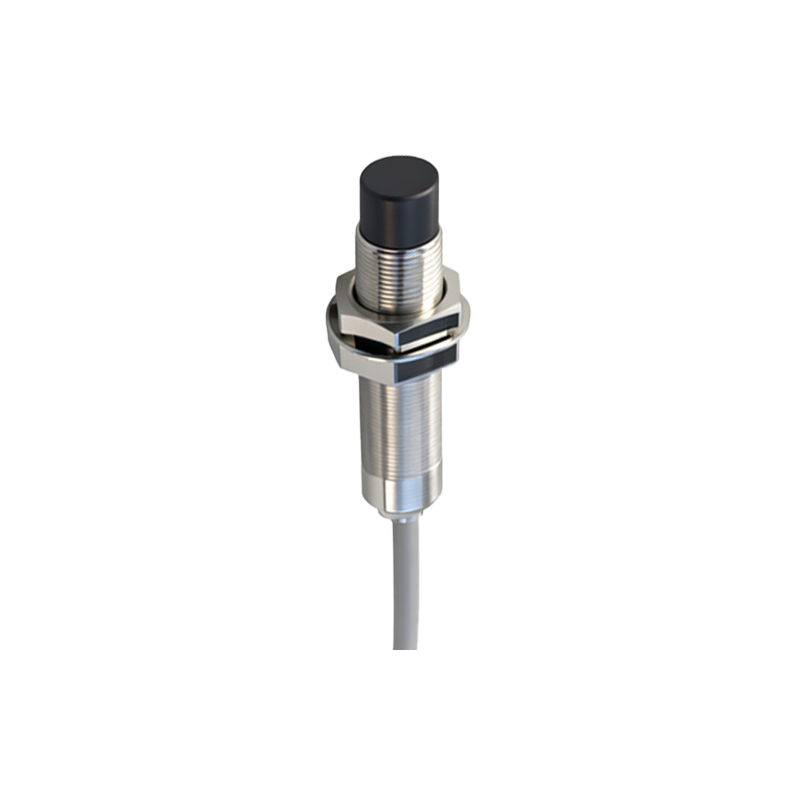
The applications for inductive ring sensors are vast and varied. One of the most common uses is in high-speed counting and sorting systems on conveyor lines. Small metallic parts, screws, or cans passing through the ring are counted with extreme accuracy without any physical contact, ensuring longevity and reliability. They are also extensively used in machine tools for monitoring the feed of metal stock, detecting broken tools (like taps or drills), and verifying the presence of components in assembly jigs. In the automotive industry, these sensors monitor the passage of pistons, valves, or other engine components during testing and assembly. Furthermore, they serve as safety devices, for example, by verifying that a metal guard is in place before a machine cycle can commence.
Selecting the right inductive ring sensor requires careful consideration of several parameters. First and foremost is the bore diameter. It must be large enough to allow the target object to pass through without contact, yet not so large as to compromise sensitivity or allow for unwanted detection of surrounding metal structures. The sensing distance relative to the target material must be confirmed for the specific application. Output type is another crucial factor; designers must choose between AC/DC versions, PNP (sourcing) or NPN (sinking) transistor outputs, and analog or IO-Link versions for more advanced data communication. Switching frequency, expressed in Hertz, defines how many detection events per second the sensor can handle, a vital spec for high-speed applications. Environmental robustness is ensured by the housing material (often PBT or stainless steel) and the Ingress Protection (IP) rating, which certifies resistance to dust and liquids. Finally, installation considerations are critical. Proper mounting, ensuring the sensor is free from vibration and flanked by non-metallic brackets, prevents false triggering from adjacent metal.
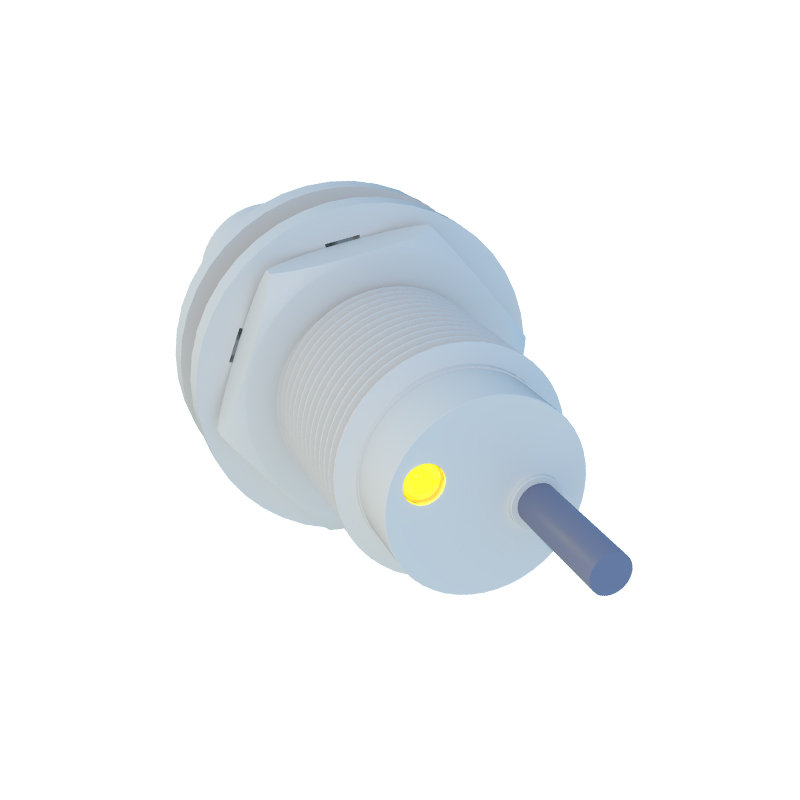
Modern advancements have enhanced the capabilities of these sensors. Some models now feature adjustable sensitivity, allowing fine-tuning for specific target sizes or to ignore background metal. Temperature-compensated circuits ensure stable operation across a wide industrial temperature range. The integration of IO-Link communication transforms a simple proximity switch into an intelligent device capable of reporting diagnostic data like operating hours, temperature warnings, and signal strength, facilitating predictive maintenance.
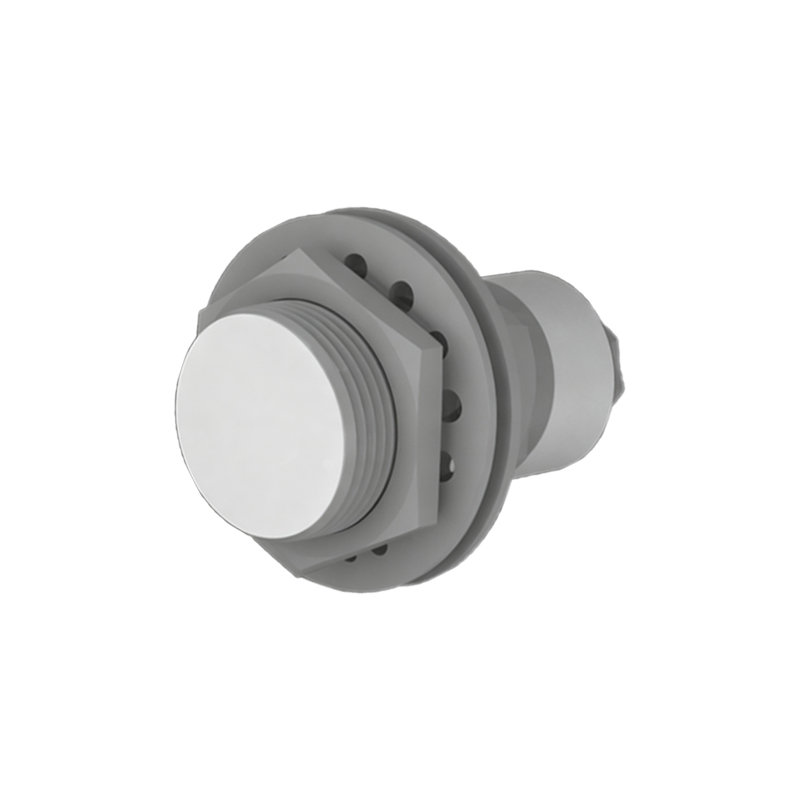
In conclusion, inductive ring proximity sensors are a specialized and powerful tool in the electrical engineer's arsenal. Their non-contact operation, durability, and adaptability to harsh environments make them a preferred choice for metallic object detection in confined or pass-through scenarios. A thorough understanding of their operating principles, coupled with a methodical approach to selection based on bore size, target material, output needs, and environmental factors, is essential for deploying them effectively. As Industry 4.0 drives smarter manufacturing, these sensors will continue to evolve, offering greater intelligence and connectivity while maintaining their core reliability for the most demanding industrial tasks.