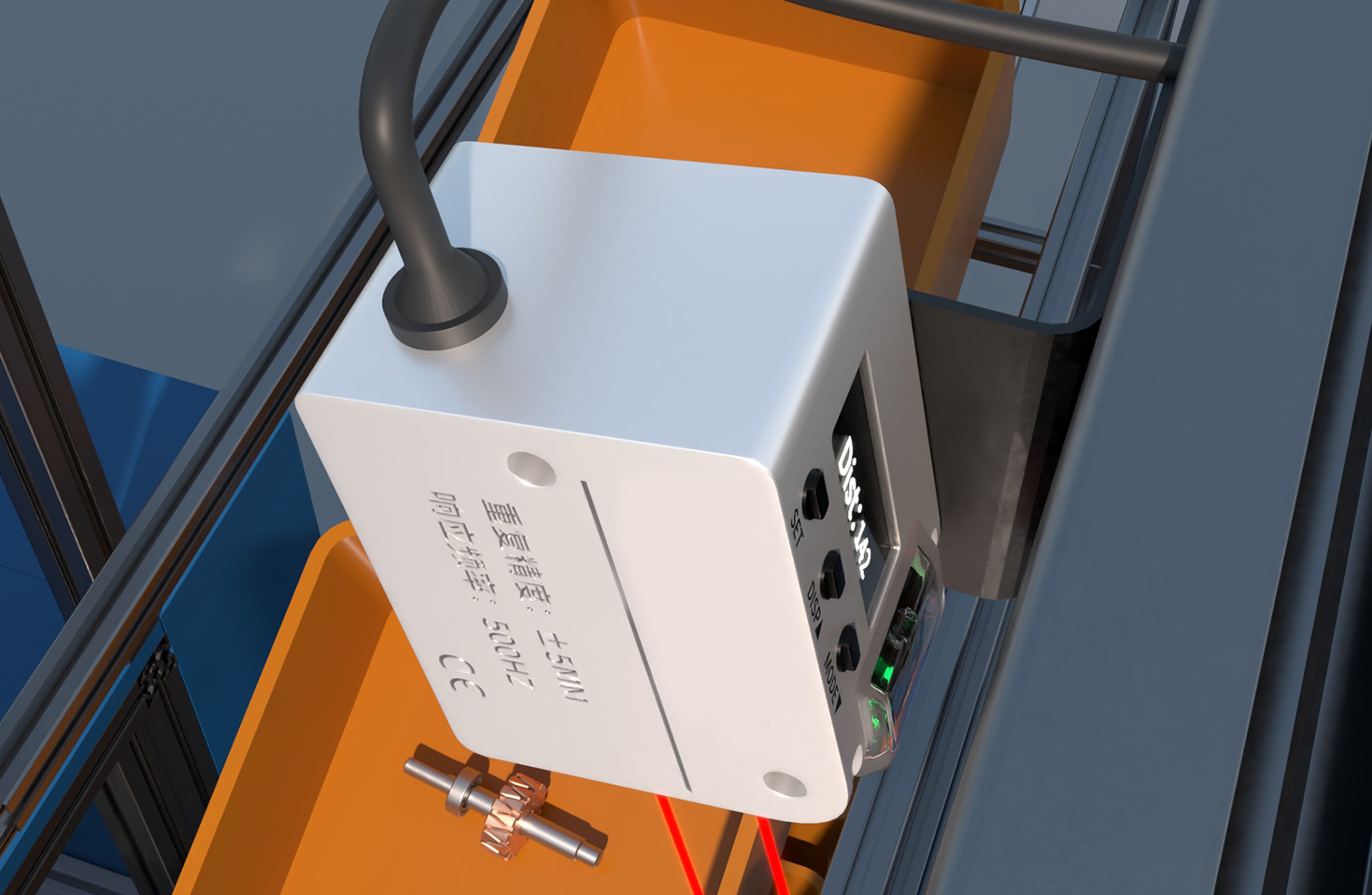
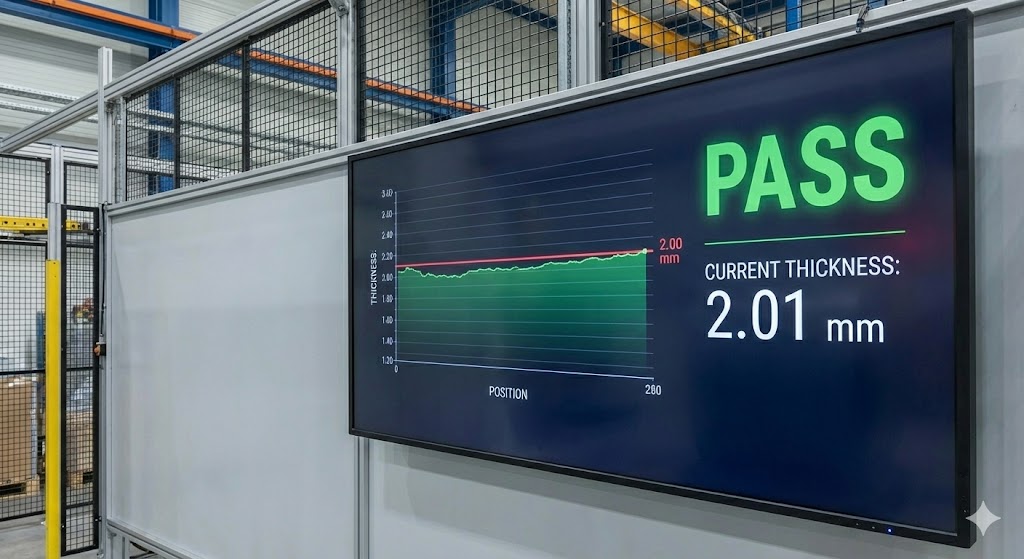
In the realm of industrial safety and environmental monitoring, methane detection stands as a critical priority. Methane (CH₄), a primary component of natural gas, poses significant risks due to its high flammability and role as a potent greenhouse gas. Traditional detection methods, such as catalytic bead or electrochemical sensors, have long been employed but come with limitations including slow response times, cross-sensitivity to other gases, and frequent calibration needs. The advent of laser-based technology, particularly from leading Korean manufacturers, has revolutionized this field, offering unprecedented accuracy, reliability, and operational efficiency.
Korean laser methane sensors utilize Tunable Diode Laser Absorption Spectroscopy (TDLAS) at their core. This advanced technique involves directing a laser beam at a specific wavelength that methane molecules strongly absorb—typically in the near-infrared spectrum. As the laser light passes through the target area, methane molecules absorb a portion of the light energy. The sensor precisely measures this attenuation, calculating methane concentration with high selectivity. A key advantage of TDLAS is its immunity to interference from other gases, as the laser is finely tuned to methane's unique absorption line. This eliminates false alarms common in multi-gas environments, such as refineries or wastewater treatment plants.
The engineering excellence of Korean laser methane sensors is evident in their design and performance. Companies like Honeywell (with R&D centers in South Korea), iSensors, and local innovators have developed robust, compact devices suitable for harsh industrial settings. These sensors feature fast response times, often under one second, enabling real-time leak detection and immediate safety interventions. Their maintenance requirements are minimal; without consumable parts or routine calibration, they offer a lower total cost of ownership compared to traditional detectors. Furthermore, many models incorporate self-diagnostic functions and digital communication protocols (e.g., Modbus, HART) for seamless integration into Industrial Internet of Things (IIoT) and smart factory systems.
Applications span diverse sectors. In oil and gas, these sensors monitor pipelines, storage tanks, and processing units, preventing leaks that could lead to explosions or environmental harm. In utilities, they ensure the integrity of natural gas distribution networks. Environmental agencies deploy them for landfill monitoring and agricultural emissions tracking, supporting global methane reduction initiatives. Their use in confined space entry protocols enhances worker safety by providing continuous, accurate air quality data.
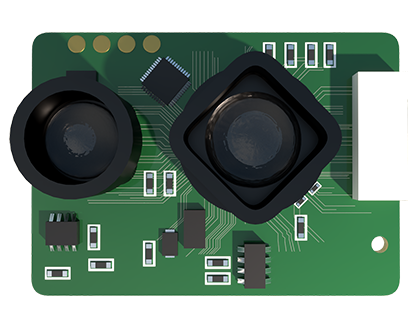
Despite their advantages, challenges such as higher initial costs and sensitivity to extreme physical conditions (e.g., heavy vibration or dirt accumulation on optics) exist. Korean manufacturers address these through ruggedized housings, protective filters, and competitive pricing strategies as production scales. The future points toward miniaturization, enhanced connectivity for cloud-based analytics, and integration with drones or autonomous robots for large-area surveillance.
In conclusion, Korean laser methane sensors represent a pinnacle of photonic engineering, merging precision, durability, and smart capabilities. By adopting this technology, industries can achieve superior safety standards, regulatory compliance, and environmental stewardship, ultimately fostering sustainable operational practices worldwide.