In the realm of industrial automation and control systems, proximity sensors, often referred to as proximity switches, stand as fundamental components for non-contact object detection. Their primary function is to detect the presence or absence of a target object within a specified sensing range without any physical contact. This capability makes them indispensable in environments demanding high reliability, fast response, and minimal mechanical wear.
At its core, a proximity sensor is a type of position sensor. It operates by emitting an electromagnetic field, beam, or ultrasonic waves and then monitoring for changes in the return signal or field. When a target object enters this active field, it causes a detectable change—such as a change in oscillation amplitude, capacitance, or magnetic flux—which the sensor's internal circuitry converts into a clean, binary electrical output signal (typically ON/OFF). This output can then interface directly with programmable logic controllers (PLCs), relays, or other control devices to trigger actions like counting, positioning, speed monitoring, or automated sequencing.
Several key technologies underpin the operation of proximity switches, each suited to different materials and applications. The most common types include:
1. Inductive Proximity Sensors: These sensors generate an oscillating electromagnetic field. They detect only metallic objects, primarily ferrous metals like iron and steel. When a metal target enters the field, it induces eddy currents, causing a change in the oscillation amplitude. This change is detected, triggering the output switch. They are highly robust, resistant to environmental contaminants like dust and oil, and are ideal for machine tools, automotive assembly, and metal detection.
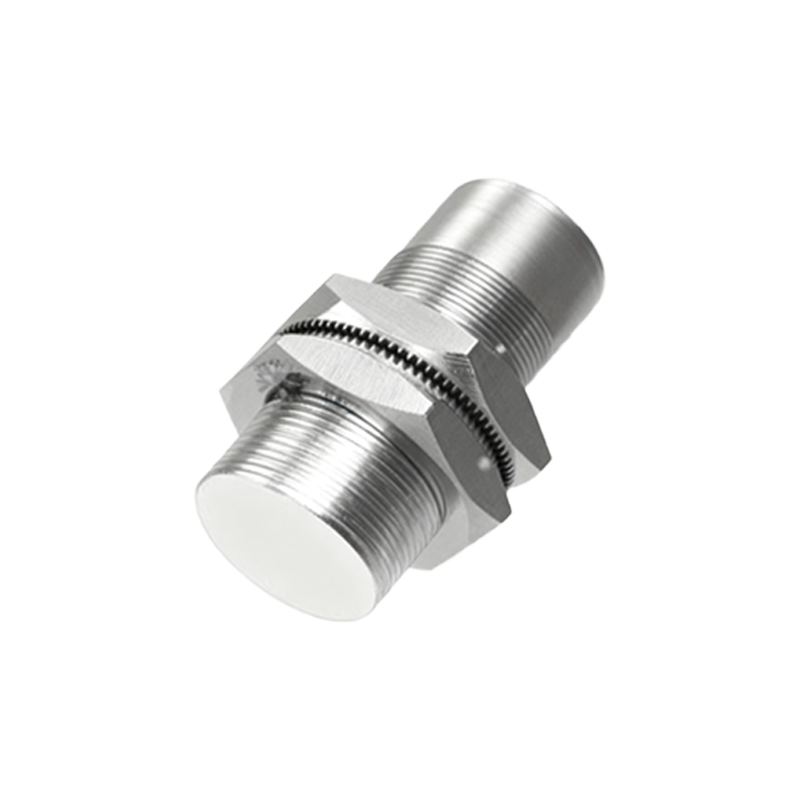
2. Capacitive Proximity Sensors: These sensors can detect both metallic and non-metallic materials, including liquids, plastics, wood, and granular substances. They function by generating an electrostatic field. Any object with a dielectric constant different from air entering this field alters the sensor's capacitance, triggering the output. Common applications involve level detection of liquids or powders, material handling, and presence detection of non-metallic objects.
3. Magnetic Proximity Sensors (Reed Switches): These are activated by the presence of a permanent magnet. They consist of two ferromagnetic reeds sealed in a glass tube. When a magnet approaches, the reeds magnetize and attract each other, closing the contact. They are simple, cost-effective, and often used for door/window position sensing, cylinder position feedback, and low-speed rotational sensing.
4. Ultrasonic Proximity Sensors: These sensors emit high-frequency sound waves and evaluate the echo received back. They measure the time interval between sending the signal and receiving the echo to determine the distance to an object. They can detect almost any material, regardless of color or transparency, and are excellent for distance measurement, level control of bulk materials, and object detection in challenging environments.
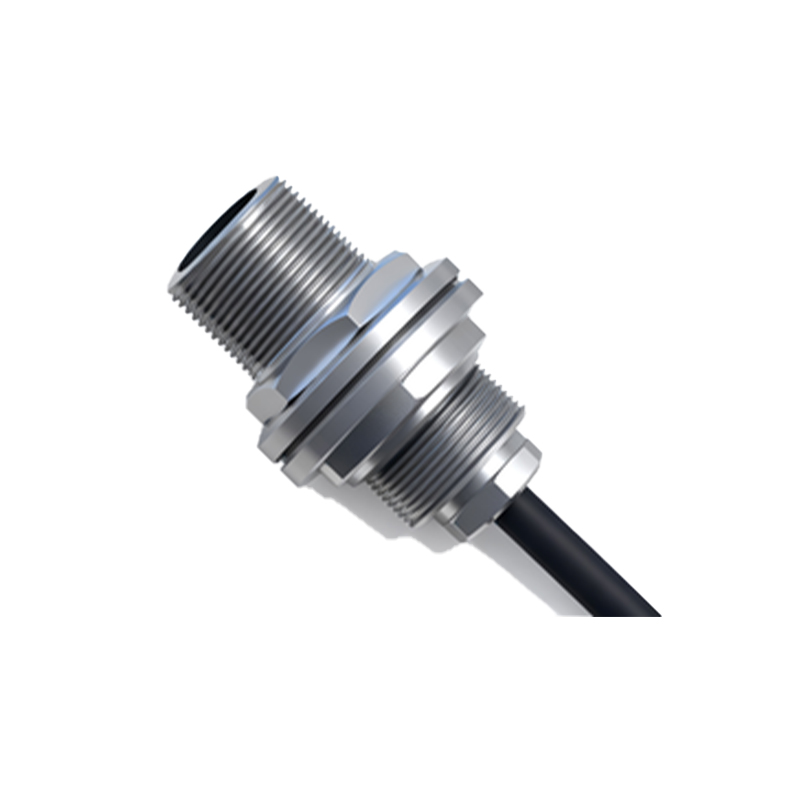
The selection of a proximity switch depends on multiple factors: the material of the target object, the required sensing distance, environmental conditions (temperature, presence of chemicals or washdown requirements), switching frequency, output type (NPN/PNP, NO/NC), and physical size.
The advantages of using proximity sensors are numerous. Their non-contact nature eliminates mechanical wear on both the sensor and the target, ensuring a long operational life. They offer high switching rates and repeatability, contributing to process precision. Being solid-state devices with no moving parts (except reed switches), they exhibit high resistance to vibration and shock. Furthermore, most models are encapsulated, providing excellent immunity to dust, moisture, and corrosive agents.
Typical industrial applications span across all sectors. In manufacturing, they are used for part positioning on conveyors, robotic arm end-effector sensing, and spindle tool detection. In packaging, they count bottles or boxes. In the automotive industry, they monitor robotic weld gun positions and detect parts in assembly jigs. They are also crucial in material handling for pallet detection and in automated storage systems.
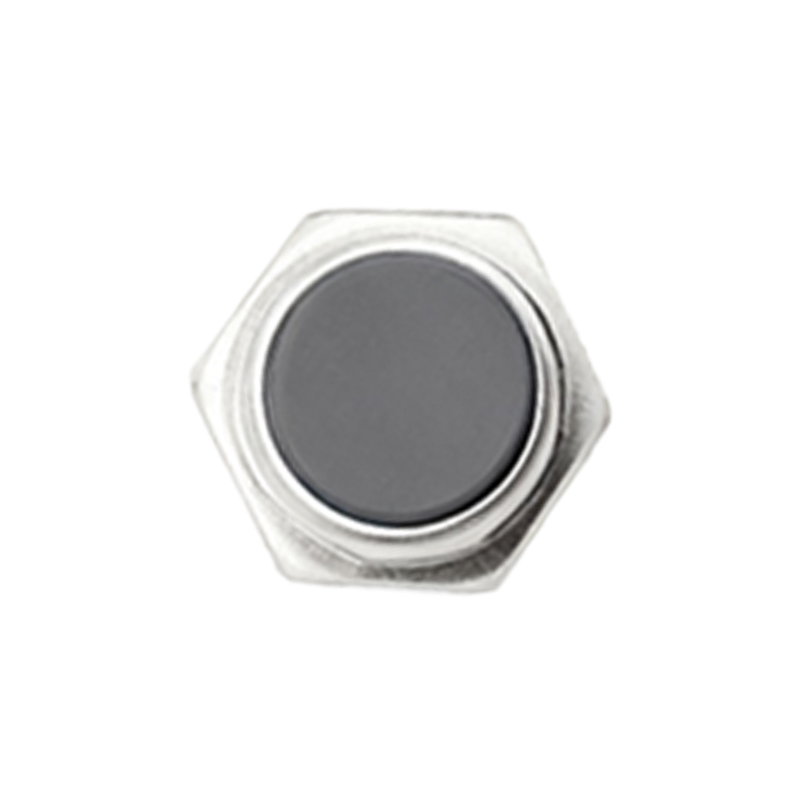
In conclusion, the proximity switch is a versatile and robust sensor technology that forms the backbone of modern automated systems. By providing reliable, non-contact detection, it enhances efficiency, safety, and precision in countless industrial processes. Understanding the principles behind inductive, capacitive, magnetic, and ultrasonic variants allows engineers to select the optimal sensor for any given application, ensuring system integrity and performance.