In industrial automation and control systems, proximity switch sensors are indispensable components for detecting the presence or absence of metallic objects without physical contact. Among various target materials, aluminum plates are widely used due to their lightweight, corrosion resistance, and cost-effectiveness. However, selecting the appropriate aluminum plate model for proximity sensors requires careful consideration of technical specifications, environmental factors, and application requirements. This article provides a comprehensive guide to aluminum plate models compatible with proximity sensors, focusing on industry best practices and selection criteria.
Proximity sensors operate on principles such as inductive, capacitive, or magnetic sensing. For aluminum targets, inductive proximity sensors are most commonly employed, as they detect conductive metals by generating an electromagnetic field. The performance of these sensors depends heavily on the aluminum plate's properties, including alloy composition, thickness, surface condition, and size. Standard aluminum alloys like 6061-T6 and 5052-H32 are preferred in industrial settings due to their balanced conductivity and mechanical strength. Thinner plates (e.g., 1-3 mm) may require sensors with higher sensitivity, while thicker plates (over 5 mm) can be detected with standard-range models. Surface treatments like anodizing or painting can reduce detection ranges, necessitating adjustments in sensor calibration or the use of specialized high-frequency models.
When selecting an aluminum plate model, engineers must evaluate key parameters such as sensing distance, switching frequency, and environmental resilience. For instance, in high-speed packaging lines, aluminum plates with smooth, flat surfaces paired with fast-response sensors (e.g., switching frequencies up to 5 kHz) ensure reliable detection. In harsh environments—such as automotive manufacturing with exposure to oils or coolants—aluminum plates with protective coatings and IP67-rated sensors are recommended to prevent false triggers or corrosion. Additionally, the plate's shape and orientation matter: larger plates (e.g., 100x100 mm) enhance detection stability, while smaller or irregularly shaped targets may require sensor customization.
Industry applications vary widely, from conveyor systems and robotic arms to safety interlocks and material handling. In automotive assembly, aluminum plates are often used as triggers for robotic welding arms, where models with high temperature tolerance (up to 100°C) are essential. For food processing, aluminum plates with sanitary finishes comply with hygiene standards, paired with washdown-resistant sensors. Case studies show that optimizing aluminum plate selection can reduce downtime by up to 20%, as seen in logistics centers using standardized 2 mm thick 6061 alloy plates with universal inductive sensors.
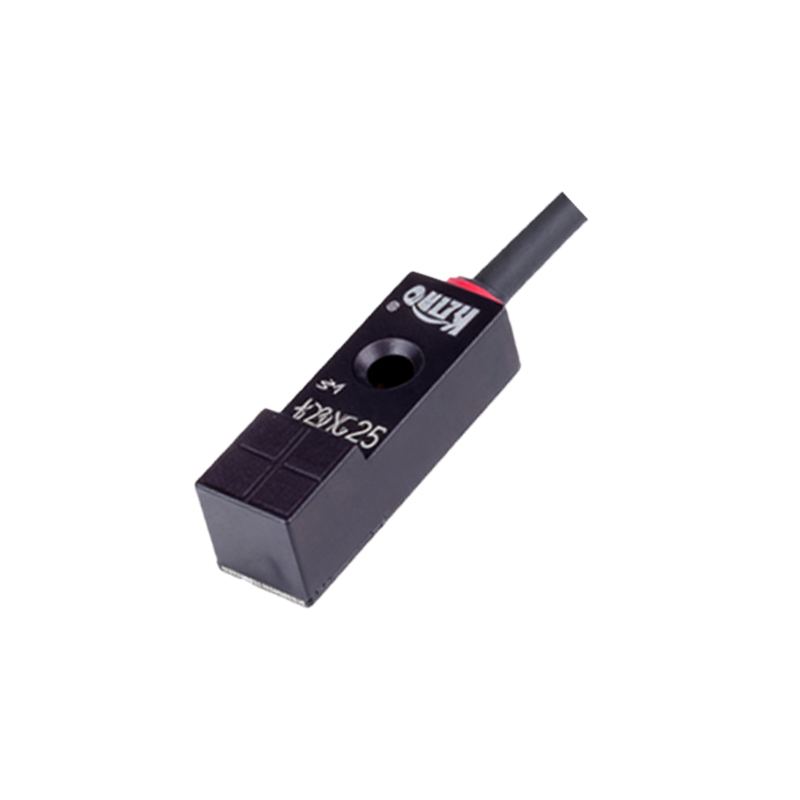
To ensure optimal performance, follow these guidelines: First, verify the sensor's data sheet for recommended target materials and sizes—most manufacturers specify aluminum detection factors (typically 0.3-0.5 times the rated sensing distance for steel). Second, conduct on-site testing under real operating conditions, accounting for variables like vibration or electromagnetic interference. Third, consider future maintenance; using common aluminum grades and standardized dimensions simplifies replacements. Emerging trends include smart sensors with IO-Link connectivity, which allow real-time monitoring of aluminum plate wear or misalignment, enhancing predictive maintenance.
In summary, the choice of aluminum plate model for proximity sensors is a critical decision that impacts system reliability and efficiency. By aligning material properties with sensor capabilities and application demands, engineers can achieve seamless integration in automated processes. As industries evolve toward Industry 4.0, leveraging advanced aluminum alloys and adaptive sensor technologies will further optimize detection accuracy and operational longevity.