In the realm of mobile phone hardware design and component integration, the term "VM" often surfaces in technical discussions, leading to confusion among engineers and enthusiasts alike. A common query is whether VM refers to a proximity sensor in smartphones. To clarify, VM typically stands for "Vibrator Motor" in mobile device contexts, not a proximity sensor. This article delves into the distinctions, functionalities, and roles of these components in modern smartphones, adhering to industry standards and English browsing conventions.
First, let's define the key components. A vibrator motor (VM) is an electromechanical device used in mobile phones to provide haptic feedback, such as vibrations for notifications, calls, or tactile responses during touch interactions. It operates by converting electrical signals into mechanical motion, often through a small unbalanced mass rotated by a motor, creating vibrations that users can feel. This component is crucial for enhancing user experience without relying solely on audio or visual cues.
On the other hand, a proximity sensor is an electronic sensor that detects the presence of nearby objects without physical contact. In smartphones, it is commonly used to turn off the display during phone calls when the device is held close to the ear, preventing accidental touch inputs and saving battery life. Proximity sensors typically employ infrared (IR) or capacitive technology to measure distance, and they are integrated into the front panel of devices, often near the earpiece.
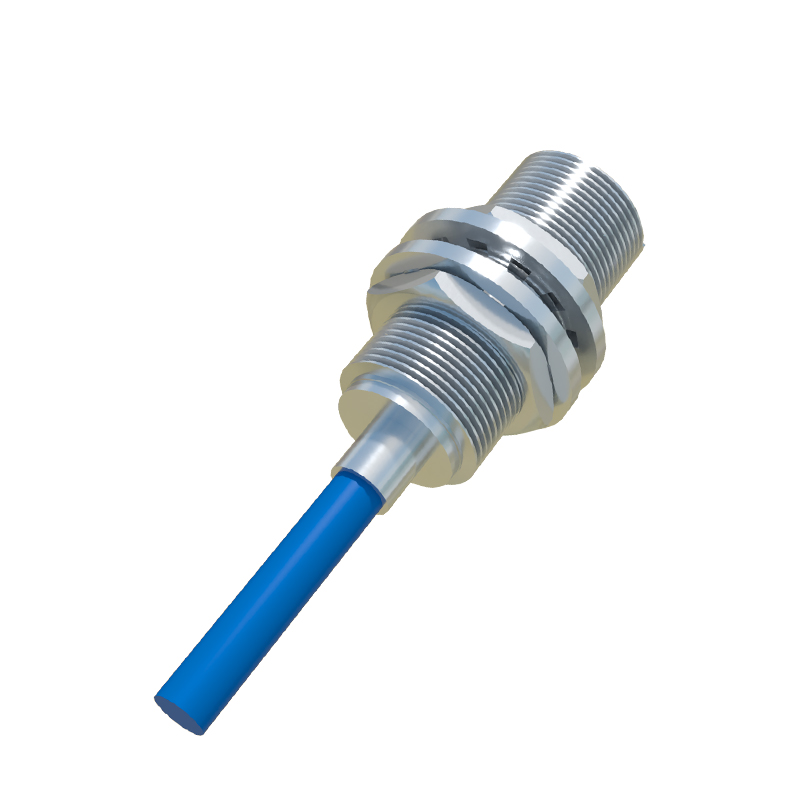
The confusion between VM and proximity sensors may arise from abbreviations or technical documentation where acronyms are used loosely. However, in standard industry terminology, VM is not interchangeable with proximity sensors. Each serves a distinct purpose: the VM focuses on haptic output, while the proximity sensor handles input detection for user proximity. Understanding this differentiation is essential for accurate design, troubleshooting, and innovation in mobile hardware.
In mobile phone architecture, both components are integral to functionality. The vibrator motor is connected to the device's mainboard via a driver circuit, controlled by software that triggers vibrations based on user interactions or system events. Its design has evolved from simple eccentric rotating mass (ERM) motors to more advanced linear resonant actuators (LRAs), which offer faster response times and more precise vibrations. Engineers must consider factors like power consumption, size, and durability when integrating VMs, as they impact overall device performance and user satisfaction.
Meanwhile, proximity sensors are part of the sensor hub in smartphones, which includes other sensors like ambient light sensors and accelerometers. They communicate with the processor to adjust device behavior dynamically. For instance, during a call, the proximity sensor signals the system to dim the screen, and it reactivates when the phone is moved away. This requires careful calibration to avoid false triggers, ensuring reliability in various environmental conditions. In recent years, advancements have led to multi-functional sensors that combine proximity detection with other features, but the core principle remains distinct from haptic feedback mechanisms.
From an engineering perspective, the design considerations for VMs and proximity sensors differ significantly. For VMs, key parameters include vibration amplitude, frequency response, and energy efficiency, often tested through rigorous benchmarks. Proximity sensors, conversely, require sensitivity tuning, response time optimization, and minimal interference from external light or objects. In manufacturing, both components undergo quality assurance tests to meet industry standards, but their testing protocols are tailored to their unique functions.
In conclusion, VM in mobile phones refers to the vibrator motor, not a proximity sensor. This distinction is vital for professionals in the electrical and mobile hardware industries to avoid miscommunication and ensure precise component selection. As smartphones continue to evolve, with trends like foldable displays and enhanced haptic systems, understanding these fundamentals will drive innovation. Engineers should refer to official datasheets and technical guides to confirm terminology, fostering clarity in global collaborations and product development.
For further insights, consult resources from organizations like the IEEE or mobile technology forums, where discussions on sensor integration and motor technologies are prevalent. By maintaining accurate knowledge, we can advance the field and improve user experiences in the ever-changing landscape of mobile devices.