Laser sensors are versatile and precise instruments widely used across various industrial sectors. Their ability to measure distance, detect objects, and monitor processes with high accuracy makes them indispensable in modern automation and quality control. This article provides a comprehensive guide on how to effectively use laser sensors, covering principles, setup, applications, and best practices.
First, understand the basic working principle of laser sensors. They emit a focused laser beam toward a target. The sensor then analyzes the reflected light—using time-of-flight, triangulation, or phase-shift methods—to calculate parameters like distance, position, or thickness. For instance, time-of-flight sensors measure the time taken for the laser to return, ideal for long-range measurements, while triangulation sensors use angular reflection for high precision at shorter ranges. Selecting the right type based on your application is crucial.
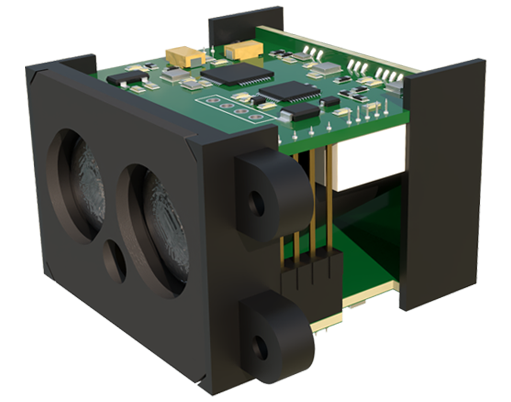
Before installation, consider environmental factors. Laser sensors can be affected by ambient light, dust, smoke, or vibrations. Ensure the operating environment is clean and stable. Use protective housings if necessary, especially in harsh conditions like manufacturing floors. Mount the sensor securely on a stable surface, aligning it perpendicular to the target for optimal accuracy. Avoid placing it near reflective surfaces or other light sources that could interfere with the beam.
Calibration is a key step. Follow the manufacturer’s instructions to calibrate the sensor using a reference object. This involves setting zero points, adjusting sensitivity, and configuring output signals (e.g., analog voltage or digital data). Many modern laser sensors come with user-friendly software for calibration and monitoring. Test the sensor with sample targets to verify performance before full deployment.
In applications, laser sensors excel in tasks such as object detection, positioning, and profiling. For example, in automotive assembly, they measure component gaps with micron-level precision. In logistics, they detect packages on conveyor belts for sorting. In robotics, they guide arms for precise movements. Always match the sensor’s specifications—like range, resolution, and response time—to the task. For dynamic processes, ensure the sensor’s update rate is fast enough to capture changes.

Integration with control systems is straightforward. Connect the sensor to PLCs (Programmable Logic Controllers) or PCs via standard interfaces like IO-Link, Ethernet, or analog cables. Program the system to interpret sensor data for real-time decisions, such as triggering alarms or adjusting machinery. Use diagnostic tools to monitor sensor health and prevent downtime.
Maintenance involves regular cleaning of lenses to prevent dirt buildup, which can scatter the laser beam and reduce accuracy. Check connections and power supplies periodically. Update firmware as recommended by the manufacturer to access new features or improvements.

In summary, using laser sensors effectively requires careful selection, proper setup, and ongoing maintenance. By leveraging their precision and adaptability, industries can enhance efficiency, safety, and product quality. As technology advances, laser sensors continue to evolve, offering even greater capabilities for smart manufacturing and beyond.