In the realm of industrial process control and monitoring, the precise and reliable detection of liquid levels is paramount. Among the diverse technologies available, proximity eddy current sensors stand out for their non-contact operation, robustness, and high accuracy, particularly in challenging environments. This article delves into the operational principles, key advantages, typical applications, and critical selection criteria for these sophisticated instruments.
The fundamental principle behind a proximity eddy current liquid level sensor is electromagnetic induction. The sensor's active element is a coil energized by a high-frequency alternating current. This current generates an oscillating magnetic field that extends from the sensor face. When this field encounters a conductive target—in this case, the liquid surface—it induces circular electrical currents, known as eddy currents, within the conductive medium. These eddy currents, in turn, generate their own opposing magnetic field, which interacts with the original field from the coil. This interaction alters the impedance of the sensor coil. A built-in electronic circuit precisely measures this change in impedance. As the distance between the sensor face and the liquid surface changes, the strength of the eddy current effect varies proportionally, allowing the sensor to output a corresponding analog signal (e.g., 4-20 mA, 0-10 V) or a digital switch signal indicating the precise level or a pre-set threshold.
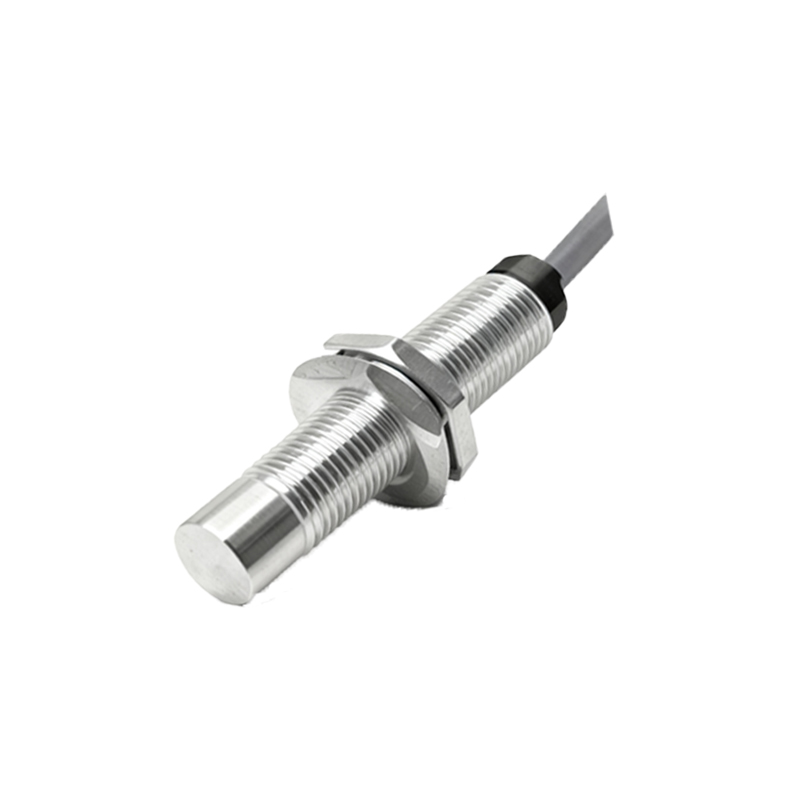
The non-contact nature of this measurement technique confers several significant advantages. Firstly, it eliminates issues related to mechanical wear, fouling, or clogging that plague float-type or probe-based sensors. The sensor does not touch the liquid, making it ideal for sterile applications, corrosive chemicals, molten metals, or liquids with high viscosity or suspended solids. Secondly, eddy current sensors offer exceptional resolution and repeatability, capable of detecting minute changes in level with micron-level precision in some configurations. They are largely unaffected by changes in pressure, vacuum, or temperature, provided the sensor itself is rated for such conditions. Furthermore, they are insensitive to the presence of vapor, foam, or dust between the sensor and the liquid, as these non-conductive materials do not significantly affect the magnetic field.
Typical industrial applications for proximity eddy current liquid level sensors are vast and varied. In the chemical and pharmaceutical industries, they are employed to monitor aggressive acids, solvents, and bio-reactive fluids in sealed reactors and storage tanks, ensuring process integrity and safety. In metal casting and semiconductor manufacturing, they provide critical level control for molten metals like aluminum or gallium and various conductive process chemicals. They are also extensively used in the power generation sector for monitoring water levels in demineralized water systems or conductive coolants. Another common use is as a high-level or low-level limit switch in sumps, reservoirs, and hydraulic units, providing reliable pump control or overfill protection.
Selecting the right proximity eddy current sensor for a specific application requires careful consideration of several parameters. The primary factor is the electrical conductivity of the liquid. Eddy current sensors require the target liquid to have a minimum conductivity, typically in the range of >1 S/m for standard models, though specialized sensors can detect levels in liquids with lower conductivity. The sensor's measuring range must be appropriate for the required distance to the liquid surface. The construction material of the sensor face (often PEEK, PTFE, or ceramic) must be chemically compatible with the liquid and any vapors present. Process conditions such as temperature and pressure ratings are non-negotiable specifications. Finally, the output signal type must be compatible with the plant's control system, whether it is a two-wire 4-20 mA loop, a three-wire voltage output, or a digital PNP/NPN switch.
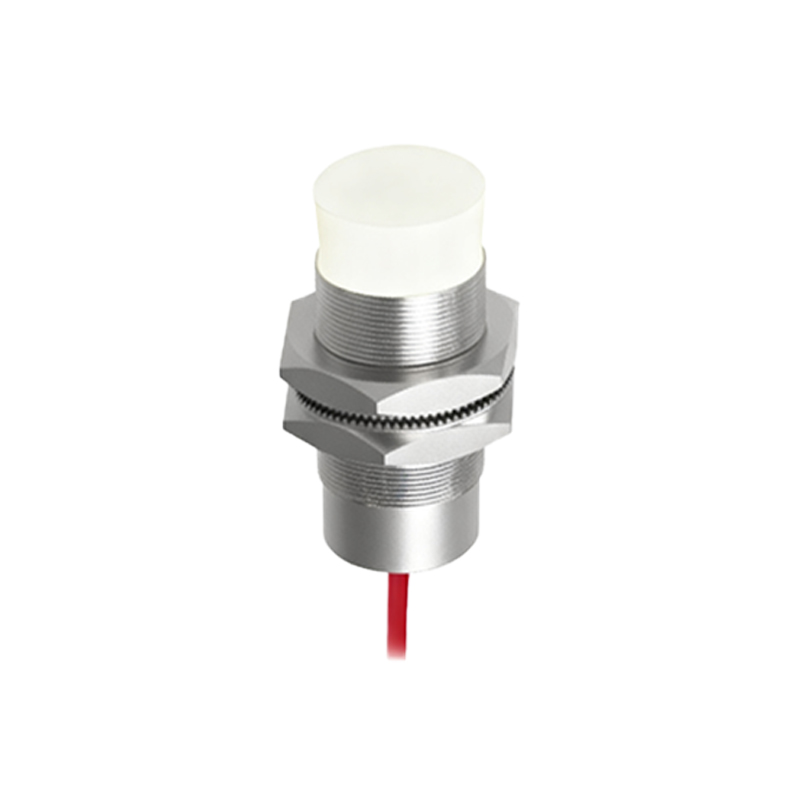
Installation and commissioning also demand attention. The sensor must be mounted securely, often via a threaded process connection (e.g., G½, NPT), ensuring a stable position relative to the liquid. It is crucial to maintain a clear, unobstructed path between the sensor face and the expected liquid level. For analog sensors, proper calibration—setting the "zero" and "span" points corresponding to empty and full tank conditions—is essential for accurate measurement. Environmental electrical noise should be minimized by using shielded cables and following good grounding practices.
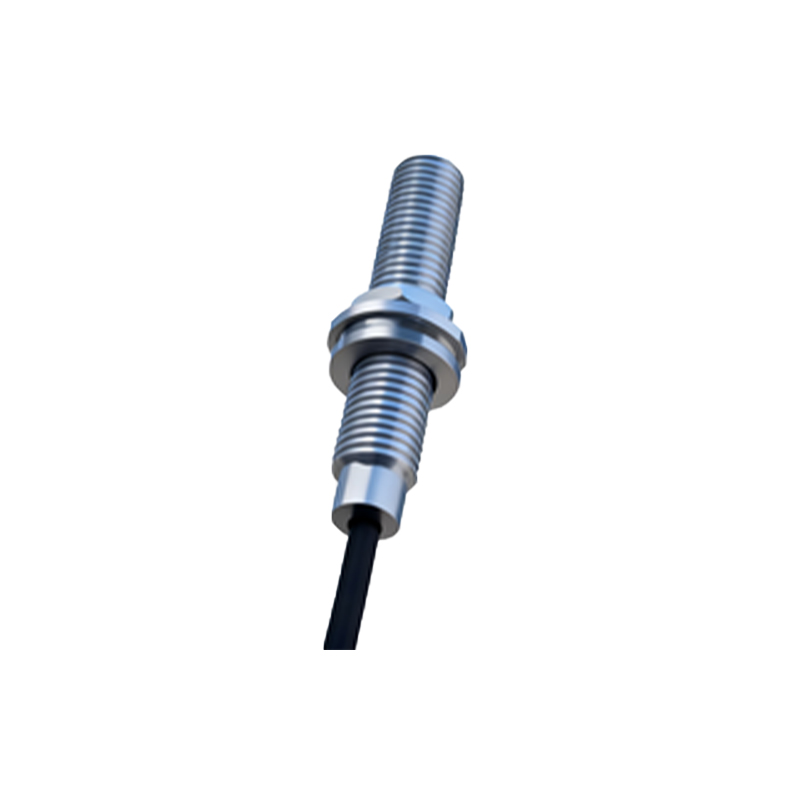
In conclusion, proximity eddy current sensors offer a superior solution for liquid level detection where non-contact measurement, high precision, and durability are required. By understanding their operating principle and meticulously matching sensor specifications to the application's demands—focusing on liquid conductivity, chemical compatibility, and process environment—engineers can implement a reliable and maintenance-friendly level sensing system that enhances process control, safety, and operational efficiency across numerous industries.