In the modern car wash industry, sensors have become indispensable components, driving automation, precision, and reliability. These specialized devices are engineered to detect, measure, and respond to various physical parameters, ensuring that each vehicle receives a thorough and safe cleaning. From entry-point detection to final rinse cycles, sensors work silently behind the scenes to optimize operations and elevate the customer experience.
At the core of any automated car wash system are entry and exit sensors. Typically using infrared or ultrasonic technology, these sensors identify a vehicle's presence, size, and shape as it approaches the bay. This initial detection triggers the wash program, adjusting parameters like brush pressure, water volume, and chemical dosage based on the vehicle's dimensions. For instance, larger vehicles like SUVs or trucks may require different settings compared to compact cars, and sensors enable this customization seamlessly.
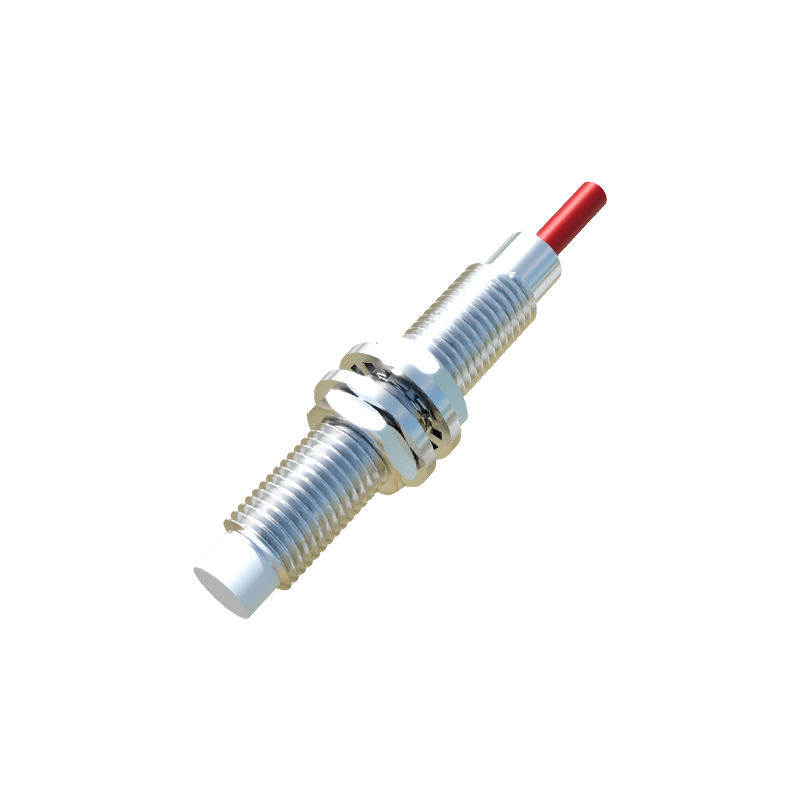
Proximity and positioning sensors play a critical role in preventing damage during the wash process. As brushes, cloths, or high-pressure nozzles move around the vehicle, these sensors maintain a safe distance from the surface. They detect obstacles in real-time, ensuring that equipment does not collide with mirrors, antennas, or spoilers. This not only protects the vehicle but also reduces wear and tear on the machinery, lowering maintenance costs and downtime.
Water management is another area where sensors prove invaluable. Flow sensors monitor water usage, ensuring consistent pressure and volume throughout the wash. Coupled with conductivity sensors, they can measure the concentration of cleaning agents, automatically adjusting mixtures for optimal cleaning power while minimizing waste. In touchless systems, sensors assess the vehicle's contour to direct high-pressure streams precisely, removing dirt without physical contact.
Drying stages rely heavily on air velocity and humidity sensors. By gauging moisture levels and airflow, these sensors control blower speed and direction, efficiently removing water droplets without leaving streaks. In some advanced setups, thermal sensors detect residual heat from the vehicle or environment, fine-tuning drying cycles for energy efficiency.
The integration of IoT (Internet of Things) and data analytics has further transformed sensor applications. Modern car wash sensors are often connected to centralized control systems, transmitting real-time data on equipment performance, usage patterns, and fault alerts. This allows operators to monitor operations remotely, schedule preventive maintenance, and even predict potential failures before they occur. For customers, this translates to faster, more consistent service with fewer interruptions.
Environmental sustainability is increasingly prioritized, and sensors contribute significantly here. By optimizing water and chemical usage, they reduce resource consumption and minimize runoff. Some facilities employ sensors to recycle water, filtering and treating it for reuse based on purity readings. Additionally, energy sensors can regulate power consumption during off-peak hours, aligning with green initiatives.
Despite their advantages, selecting the right sensors requires careful consideration. Durability is paramount, as devices must withstand constant exposure to water, chemicals, and temperature fluctuations. Manufacturers often design sensors with robust housings, corrosion-resistant materials, and sealed connectors to ensure longevity. Regular calibration and cleaning are also essential to maintain accuracy, as debris or buildup can impair functionality.
Looking ahead, innovations in sensor technology continue to emerge. Machine learning algorithms may enable sensors to "learn" from each wash, adapting programs for specific vehicle models or soil types. Enhanced vision systems, combining cameras with LiDAR sensors, could provide 3D mapping for even more precise cleaning. As autonomous vehicles become more common, sensors might interface directly with vehicle systems to customize washes based on pre-set preferences.
In summary, car wash equipment sensors are far more than mere components; they are the intelligent backbone of the industry. By enabling automation, ensuring safety, conserving resources, and improving service quality, they help businesses stay competitive while meeting evolving customer expectations. As technology advances, these sensors will undoubtedly play an even greater role in shaping the future of vehicle care.