In the realm of electrical engineering, optical fiber and laser sensors have emerged as transformative technologies, driving innovation across industrial automation, telecommunications, and structural health monitoring. These sensors leverage the principles of light propagation and interaction with external stimuli to deliver unparalleled precision, reliability, and versatility. Unlike traditional electrical sensors that rely on conductive materials and are susceptible to electromagnetic interference, optical fiber sensors utilize glass or plastic fibers to transmit light signals, enabling operation in harsh environments where high temperatures, corrosive substances, or explosive atmospheres exist.
Optical fiber sensors are broadly categorized into intrinsic and extrinsic types. Intrinsic sensors, where the fiber itself acts as the sensing element, are commonly used for measuring strain, temperature, and pressure. For instance, Fiber Bragg Grating (FBG) sensors, a subtype of intrinsic sensors, work by reflecting specific wavelengths of light that shift in response to mechanical or thermal changes. This makes them ideal for monitoring structural integrity in bridges, pipelines, and aerospace components. Extrinsic sensors, on the other hand, employ the fiber as a conduit to relay signals to an external sensing region, often applied in chemical or biological detection.
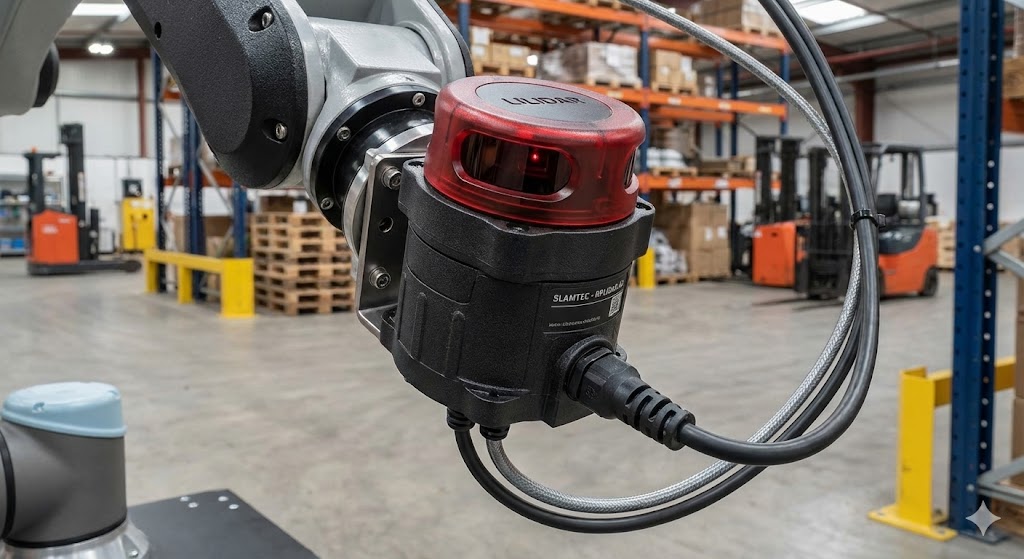
Laser sensors, while distinct, frequently integrate with optical fibers to enhance functionality. These sensors emit coherent light beams—typically from semiconductor or gas lasers—to detect parameters such as distance, velocity, and vibration. Laser Doppler vibrometers, for example, measure minute vibrations by analyzing frequency shifts in reflected laser light, proving invaluable in precision manufacturing and medical diagnostics. When combined with fiber optics, laser-based systems can achieve remote sensing capabilities, allowing measurements over long distances without signal degradation. This synergy is evident in distributed acoustic sensing (DAS) systems, where laser pulses sent through optical fibers detect acoustic disturbances along the entire fiber length, enabling real-time monitoring of perimeter security or oil and gas pipelines.
The advantages of these technologies are manifold. Optical fiber sensors offer immunity to electromagnetic interference, a critical feature in power generation and transmission facilities where high-voltage equipment is prevalent. They also provide high bandwidth and multiplexing potential, allowing multiple sensors to operate on a single fiber strand, thereby reducing installation complexity and cost. Laser sensors contribute with non-contact measurement, minimizing wear and enabling high-speed data acquisition. In smart grid applications, for instance, laser sensors monitor conductor sag and temperature, while fiber sensors track transformer health, collectively enhancing grid resilience.
Despite their benefits, challenges persist. Optical fiber sensors can be sensitive to bending losses and require careful handling during deployment. Laser sensors may face issues with beam alignment and ambient light interference. Ongoing research focuses on overcoming these limitations through advanced materials like photonic crystal fibers and machine learning algorithms for data interpretation. The integration of Internet of Things (IoT) platforms is further expanding their applicability, enabling predictive maintenance and autonomous systems.
In conclusion, optical fiber and laser sensors represent a paradigm shift in sensing technology, offering solutions that are both robust and precise. As electrical engineering evolves toward greater automation and connectivity, these sensors will continue to play a pivotal role in shaping future innovations, from renewable energy systems to advanced robotics. Engineers and industry stakeholders must stay abreast of these developments to harness their full potential in creating safer, more efficient, and intelligent infrastructures.