In the realm of industrial automation and electrical engineering, proximity sensors play a pivotal role in detecting the presence or absence of objects without physical contact. Among the various configurations, the question of whether proximity sensors are NPN normally open (NO) is a common point of discussion. This article delves into the technical aspects of proximity sensors, clarifying their wiring types, output configurations, and operational principles to provide a comprehensive answer.
Proximity sensors are electronic devices designed to detect objects within a specific range using electromagnetic fields, infrared light, or ultrasonic waves. They are widely utilized in manufacturing, robotics, and safety systems due to their reliability and non-contact nature. When it comes to electrical output, proximity sensors are categorized based on their transistor type and switching behavior. The two primary transistor types are NPN and PNP, which refer to the sensor's internal circuitry and how it interfaces with control systems like PLCs (Programmable Logic Controllers).
NPN and PNP sensors differ in their sourcing and sinking capabilities. An NPN sensor, often termed as "sinking," switches the negative or ground side of the load, while a PNP sensor, or "sourcing," switches the positive side. This distinction is crucial for compatibility with different electrical setups. Regarding the switching behavior, proximity sensors can be normally open (NO) or normally closed (NC). A normally open sensor does not allow current to flow in its default state (when no object is detected) and closes the circuit upon detection. Conversely, a normally closed sensor allows current flow by default and opens the circuit when an object is detected.
So, are proximity sensors inherently NPN normally open? The answer is no—proximity sensors are not exclusively NPN nor normally open. They are available in various combinations: NPN normally open, NPN normally closed, PNP normally open, and PNP normally closed. The selection depends on the application requirements and the control system's design. For instance, in many European and Asian markets, PNP sensors are prevalent due to their sourcing nature, which aligns with common PLC input modules. In contrast, NPN sensors are frequently used in North America and Japan, where sinking inputs are standard.
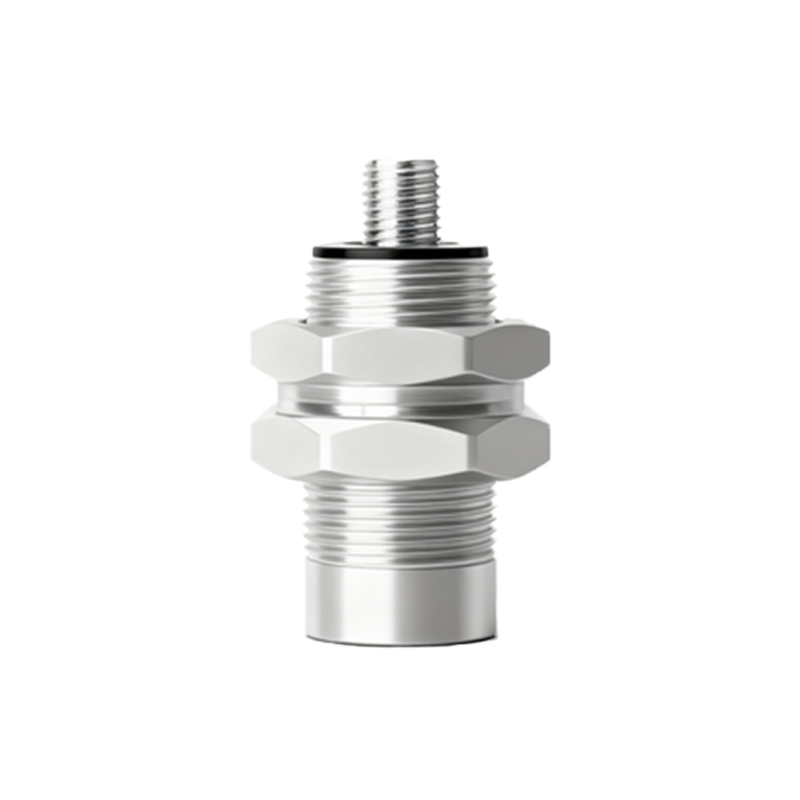
The "normally open" aspect refers to the sensor's output state when no target is present. An NPN normally open proximity sensor will have its output transistor off (open circuit) in the absence of an object. When an object enters the sensing range, the transistor turns on, connecting the output to ground and allowing current to sink through the load. This configuration is ideal for applications where the system should activate only upon detection, such as in counting or positioning tasks.
To illustrate, consider a conveyor belt system where a proximity sensor detects items passing by. If an NPN normally open sensor is employed, it will send a signal to the controller only when an item is detected, triggering subsequent actions like sorting or packaging. This setup enhances efficiency by minimizing false triggers. However, if safety is a priority—for example, in a machine guard application—a normally closed sensor might be preferred because it ensures a fail-safe condition; if the sensor fails or wiring breaks, the circuit opens, halting the machine.
When selecting a proximity sensor, engineers must consider factors such as sensing distance, material compatibility (e.g., metal vs. non-metal targets), environmental conditions (like temperature and humidity), and electrical specifications. The choice between NPN and PNP, and between NO and NC, should align with the control logic and power supply configuration. Misalignment can lead to malfunction or damage, so consulting datasheets and wiring diagrams is essential.
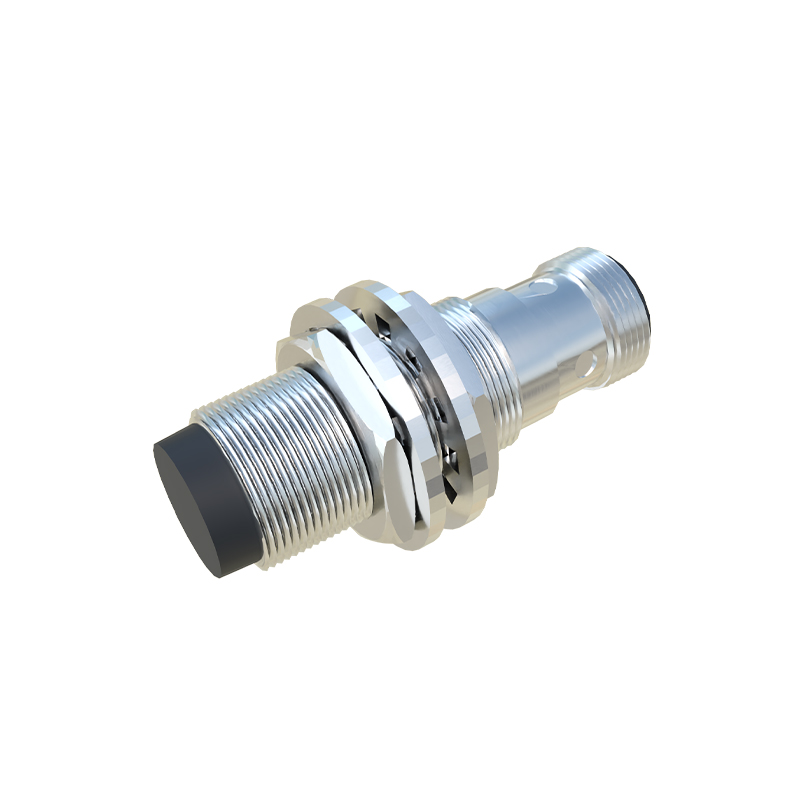
In summary, proximity sensors are versatile components that come in multiple electrical configurations. They are not inherently NPN normally open; rather, this is one of several options available. Understanding the differences between NPN/PNP and NO/NC is key to effective implementation in industrial systems. By matching the sensor type to the application needs, engineers can optimize performance, ensure safety, and enhance operational reliability. As technology advances, proximity sensors continue to evolve, offering greater precision and adaptability in automated environments.