In the realm of industrial automation and control systems, proximity switch sensors play a pivotal role in enabling non-contact detection of objects, ensuring efficiency, reliability, and safety. Among the various types available, the two-wire GAM4 proximity switch sensor stands out as a robust and widely adopted solution. This article delves into the technical specifications, operational principles, application scenarios, and advantages of the GAM4 two-wire sensor, providing insights for engineers and technicians in the electrical and automation industries.
The GAM4 two-wire proximity switch sensor is designed to detect metallic objects without physical contact, utilizing electromagnetic fields. Its two-wire configuration simplifies installation by combining power supply and signal output in a single circuit, reducing wiring complexity and costs. Typically operating on DC voltages ranging from 10 to 30V, the GAM4 sensor is known for its high switching frequency and short-circuit protection, making it suitable for demanding industrial environments. The sensor's housing is often constructed from nickel-plated brass or stainless steel, offering resistance to corrosion, dust, and moisture, which aligns with IP67 protection standards for use in harsh conditions.
Operationally, the GAM4 sensor functions based on the inductive principle. When a metallic object enters its sensing range—which can vary from a few millimeters to several centimeters, depending on the model—it alters the oscillator's amplitude within the sensor. This change triggers a switching signal that is transmitted through the same wires used for power. The output is typically in the form of a digital signal, enabling seamless integration with programmable logic controllers (PLCs), relays, and other control devices. One key feature of the two-wire design is its ability to handle residual current and leakage, ensuring stable performance even in scenarios with voltage fluctuations.
In practical applications, the GAM4 two-wire proximity sensor is extensively used in manufacturing lines, packaging machinery, material handling systems, and automotive assembly plants. For instance, it can monitor the position of machine parts, count products on conveyor belts, or detect the presence of metal components in automated processes. Its durability and minimal maintenance requirements make it a cost-effective choice for high-cycle operations. Additionally, the sensor's compatibility with various metallic materials, including steel, aluminum, and copper, enhances its versatility across different industries.
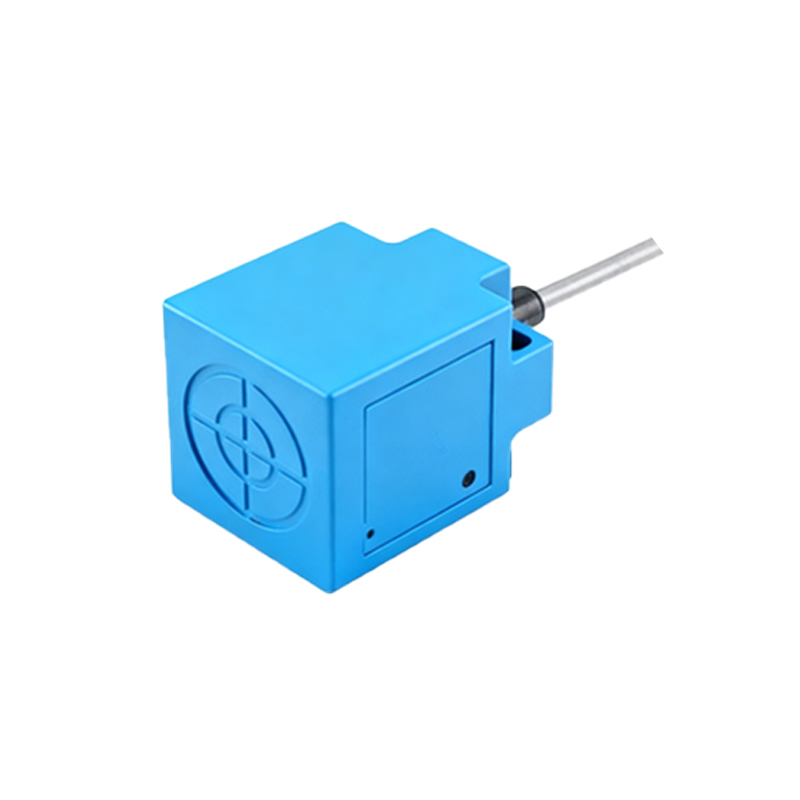
When compared to three-wire or four-wire sensors, the GAM4 two-wire variant offers distinct benefits. The simplified wiring reduces installation time and potential errors, while the integrated design lowers overall system costs. However, engineers should consider factors such as load current and voltage drop, as two-wire sensors may have limitations in driving high-power loads directly. Proper selection based on environmental conditions—like temperature ranges from -25°C to 70°C—and sensing distances is crucial for optimal performance. Regular testing with multimeters or oscilloscopes can help diagnose issues like false triggers or signal loss, ensuring long-term reliability.
In conclusion, the GAM4 two-wire proximity switch sensor represents a reliable and efficient solution for industrial automation. Its robust construction, ease of installation, and adaptability to diverse applications make it a staple in modern electrical engineering. As technology advances, innovations in sensor design may further enhance features like energy efficiency and connectivity, but the foundational principles of the GAM4 ensure it remains relevant for years to come. Engineers are encouraged to consult datasheets and manufacturer guidelines to tailor its use to specific project needs, maximizing productivity and safety in automated systems.