In the realm of industrial safety and environmental monitoring, laser methane sensors have emerged as a superior technology for detecting methane (CH₄) leaks. Their principle of operation, based on Tunable Diode Laser Absorption Spectroscopy (TDLAS), offers significant advantages over traditional catalytic bead or infrared sensors, including high specificity, rapid response, and minimal drift. However, like all precision instruments, laser methane sensors are susceptible to various sources of error. A comprehensive understanding of these errors is paramount for engineers and technicians to ensure reliable measurements, optimize system performance, and uphold the highest safety standards.
The core of TDLAS technology involves emitting a laser beam at a specific wavelength that is strongly absorbed by methane molecules. The detector measures the attenuation of this beam after it passes through the target gas. The concentration is calculated using the Beer-Lambert law. Errors can infiltrate this process at multiple stages, broadly categorized as fundamental, environmental, and application-specific.
Fundamental and Optical Path Errors:
* Line Strength and Pressure Broadening: The accuracy of the concentration calculation depends on precise knowledge of the methane absorption line strength at the operating wavelength. Variations in total atmospheric pressure can pressure-broaden the absorption line, altering its shape and effective strength. High-precision sensors incorporate pressure compensation algorithms to mitigate this.
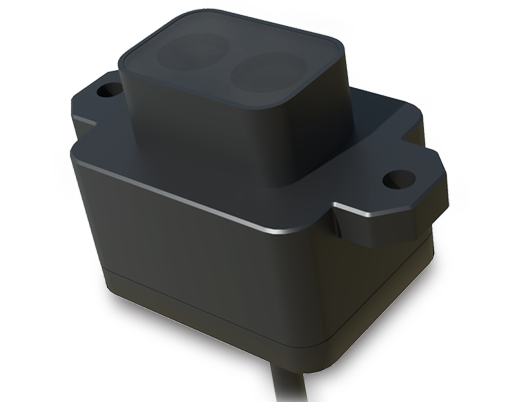
* Beam Attenuation from Non-Target Sources: Any factor that attenuates the laser beam besides methane absorption constitutes interference. This includes particulate matter (dust, fog), condensation on optical windows, and mechanical obstructions. Regular cleaning of optical surfaces and the use of dust filters are essential maintenance practices. Some advanced sensors employ differential absorption techniques or reference wavelengths to distinguish between methane absorption and other attenuation.
Environmental and Cross-Sensitivity Errors:

* Temperature Fluctuations: Temperature affects the density of the gas sample, the electronics of the detector, and the emission wavelength of the laser diode. A sensor calibrated at 20°C may report inaccurate readings at -10°C or 50°C. High-quality sensors feature integrated temperature sensors and robust compensation circuits to stabilize performance across their specified range.
* Presence of Other Gases: While TDLAS is highly selective, the presence of other gases with overlapping absorption spectra in the near-infrared region (e.g., water vapor, ethane) can introduce cross-sensitivity errors. Careful selection of the laser wavelength targeting a unique methane absorption line is the primary defense. For applications with complex gas matrices, spectral analysis algorithms are used to deconvolve the signal.
* Humidity and Water Vapor: High humidity can lead to condensation on optics, as mentioned, but water vapor itself can also have a slight spectroscopic interference and affect the overall gas density. Proper sensor housing and environmental controls are necessary in humid conditions.
Application-Specific and Installation Errors:
* Path Length and Alignment (for Open-Path Sensors): Open-path sensors measure the integrated concentration along a beam path (ppm-meters). The accuracy of the calculated point concentration depends on an accurately known and stable path length. Vibrations or shifts in the mounting hardware can misalign the transmitter and receiver, causing signal loss or erroneous readings. Secure installation and periodic alignment checks are critical.
* Flow Rate and Sampling (for In-Situ Sensors): In-situ extractive sensors that draw a sample into a measurement cell require consideration of sample flow dynamics. A slow flow rate can lead to a delayed response time (lag error), while a very turbulent flow might cause pressure variations. Ensuring the sample system is designed for representative and consistent gas delivery is key.
* Calibration Drift: Although laser sensors exhibit far less drift than catalytic sensors, they are not entirely immune. The laser diode's output power and wavelength can shift minutely over thousands of hours of operation. Implementing a regular calibration schedule using certified traceable gas standards is a non-negotiable best practice to correct for long-term drift.
Strategies for Error Minimization:
To achieve optimal performance, a systematic approach is required:
1. Proper Sensor Selection: Choose a sensor with specifications (accuracy, range, temperature compensation, IP rating) that match the application's environment and performance requirements.
2. Correct Installation and Commissioning: Follow manufacturer guidelines meticulously for mounting, alignment, power supply, and grounding. Perform an initial calibration and bump test after installation.
3. Implement Robust Maintenance: Establish a routine for optical inspection, cleaning, functional testing, and periodic calibration. Log all maintenance activities.
4. Utilize Data Validation: In integrated systems, use software algorithms to identify and flag improbable readings, sensor faults, or conditions that suggest interference (e.g., sudden signal drop with no concentration change indicating dirt buildup).
5. Understand the Limitations: Recognize the sensor's operational envelope. No sensor is universal. For extreme environments, additional protective housings or sample conditioning systems (e.g., gas coolers, dryers) may be necessary.
In conclusion, laser methane sensors represent a powerful tool for gas detection, but their precision is not inherent—it is engineered and maintained. By rigorously addressing the potential error sources from fundamental physics to field application, engineers can leverage the full potential of this technology. This ensures not only compliance with safety regulations but also the protection of assets, personnel, and the environment through the most accurate and reliable methane monitoring possible. Continuous education on sensor technology and a proactive maintenance culture are the cornerstones of achieving this goal.