In the realm of modern automotive electrical engineering, the Proximity Sensor Module (PSM) stands as a critical component within the sophisticated architecture of Land Rover vehicles. This module is integral to a suite of advanced driver-assistance systems (ADAS), providing the essential data required for functions such as parking assistance, blind-spot monitoring, and collision avoidance. As a senior electrical engineer specializing in automotive systems, I will delve into the technical specifications, operational principles, integration protocols, and common diagnostic considerations for this pivotal module.
The Land Rover Proximity Sensor Module typically functions as a central processing unit for multiple ultrasonic or electromagnetic sensors strategically positioned around the vehicle's perimeter. These sensors emit high-frequency sound waves or electromagnetic pulses and measure the time taken for the echo to return after striking an object. The PSM receives these raw time-of-flight data points from each individual sensor. Its primary role is to filter, interpret, and convert this analog or digital sensor data into a coherent, usable format for the vehicle's main electronic control units (ECUs), such as the Parking Aid Module or the Body Control Module.
From an electrical standpoint, the module operates on a standard automotive voltage supply, typically 12V DC, regulated internally to power its microprocessor and signal conditioning circuits. Communication with the broader vehicle network is predominantly facilitated via the Controller Area Network (CAN bus) protocol. This high-speed, robust serial communication system allows the PSM to broadcast object distance and location data while simultaneously receiving vehicle status parameters like gear selection and vehicle speed. This bidirectional data flow is crucial; for instance, the system may automatically deactivate at highway speeds where low-speed proximity detection is unnecessary.

The integration of the PSM is a testament to systems engineering. It is not an isolated component but a node within a complex network. Its software contains calibrated algorithms that account for environmental factors—such as temperature variations affecting sensor response time—and can differentiate between stationary objects and moving ones. Furthermore, it manages sensor diagnostics, capable of identifying a faulty or obstructed sensor and relaying a specific diagnostic trouble code (DTC) to the central gateway, which then alerts the driver via the instrument cluster.
Common failure modes for the Proximity Sensor Module include internal processor faults, corrupted firmware, or damage to its power or CAN bus lines due to moisture ingress or physical impact. Diagnostic procedures begin with a scan tool capable of accessing the relevant subsystem. Technicians will look for communication faults with the module itself or implausible data from its associated sensors. It is a standard practice to rule out simple causes first, such as dirty or damaged external sensors, wiring harness issues, or poor electrical grounds, before condemning the module itself. Replacement modules often require software configuration or initialization via a manufacturer-specific diagnostic system to ensure proper communication and calibration within the vehicle's network.
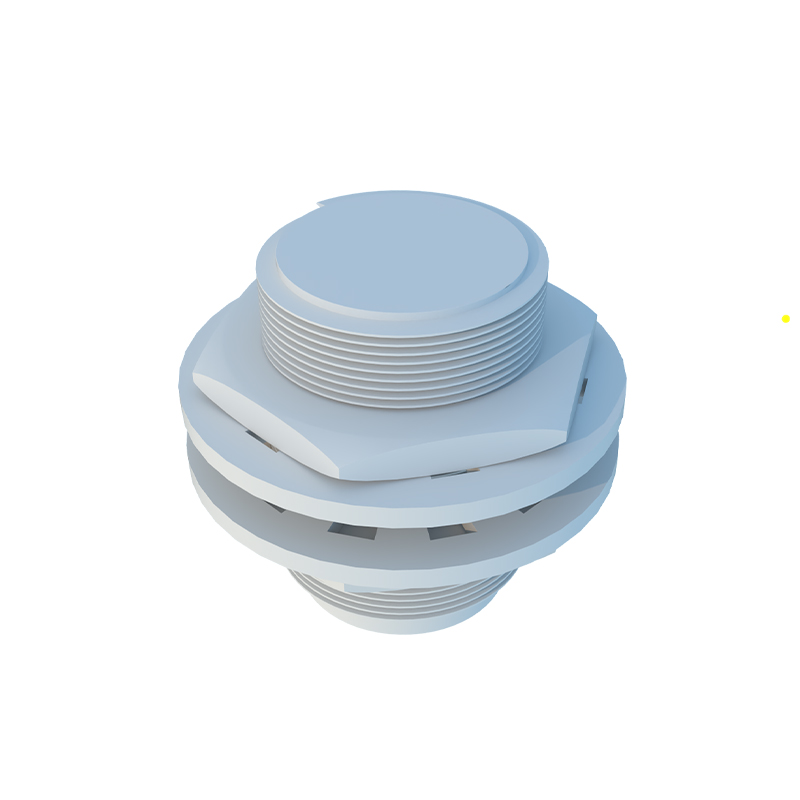
In conclusion, the Land Rover Proximity Sensor Module exemplifies the convergence of analog sensing, digital signal processing, and networked vehicle communication. Its reliable operation is foundational to the safety and convenience features expected in premium SUVs. Understanding its electrical interfaces, data protocols, and system-level interactions is paramount for engineers and technicians tasked with designing, maintaining, or troubleshooting these advanced automotive electrical systems. As ADAS technology evolves towards higher levels of autonomy, the principles governing modules like the PSM will remain fundamentally relevant, even as their capabilities expand.