Laser sensors have become integral components across numerous industries, from manufacturing and robotics to autonomous vehicles and consumer electronics. Their ability to provide precise, non-contact measurements is a significant advantage. However, despite their widespread adoption and high performance, laser sensors come with inherent limitations and disadvantages that engineers, designers, and system integrators must carefully consider. Acknowledging these drawbacks is crucial for selecting the right sensor technology for a specific application, ensuring reliability, safety, and cost-effectiveness.
One of the most prominent disadvantages of laser sensors is their sensitivity to environmental conditions. Unlike some other sensing technologies, laser beams can be severely affected by atmospheric factors. Dust, smoke, fog, rain, and even intense ambient light can scatter, absorb, or distort the laser beam. This interference leads to inaccurate readings, signal loss, or complete sensor failure. For instance, in outdoor applications like autonomous vehicle navigation, heavy rain or fog can render a LIDAR (Light Detection and Ranging) system temporarily unreliable. Similarly, in a dusty industrial environment, such as a mining or milling operation, particulate matter in the air can create noise in the measurement data, requiring frequent recalibration or protective enclosures that add complexity and cost.
The material and surface properties of the target object pose another significant challenge. Laser sensors, particularly those based on triangulation or time-of-flight principles, rely on the reflection of light. Surfaces that are highly reflective, transparent, or absorbent can cause problematic readings. A shiny metal surface might specularly reflect the beam away from the detector, causing a dropout. A transparent object, like glass or clear plastic, might allow the beam to pass through entirely, failing to register a distance. Dark, matte, or light-absorbing surfaces can weaken the return signal to a point where it falls below the sensor's detection threshold. This limitation restricts the universality of laser sensors and often necessitates surface treatment of targets or the use of supplementary sensors.
Safety concerns represent a critical and non-negotiable disadvantage, especially for Class 3B or Class 4 high-power lasers. Direct or even reflected exposure to laser beams can cause permanent eye damage and skin burns. This necessitates stringent safety protocols, mandatory protective equipment (like laser safety goggles), and often physical guarding or interlocks around the sensor system. These requirements increase the overall system cost, complicate installation, and demand rigorous operator training. Even for lower-class lasers, safety certifications and compliance with international standards (like IEC 60825) are mandatory, adding to the regulatory burden.
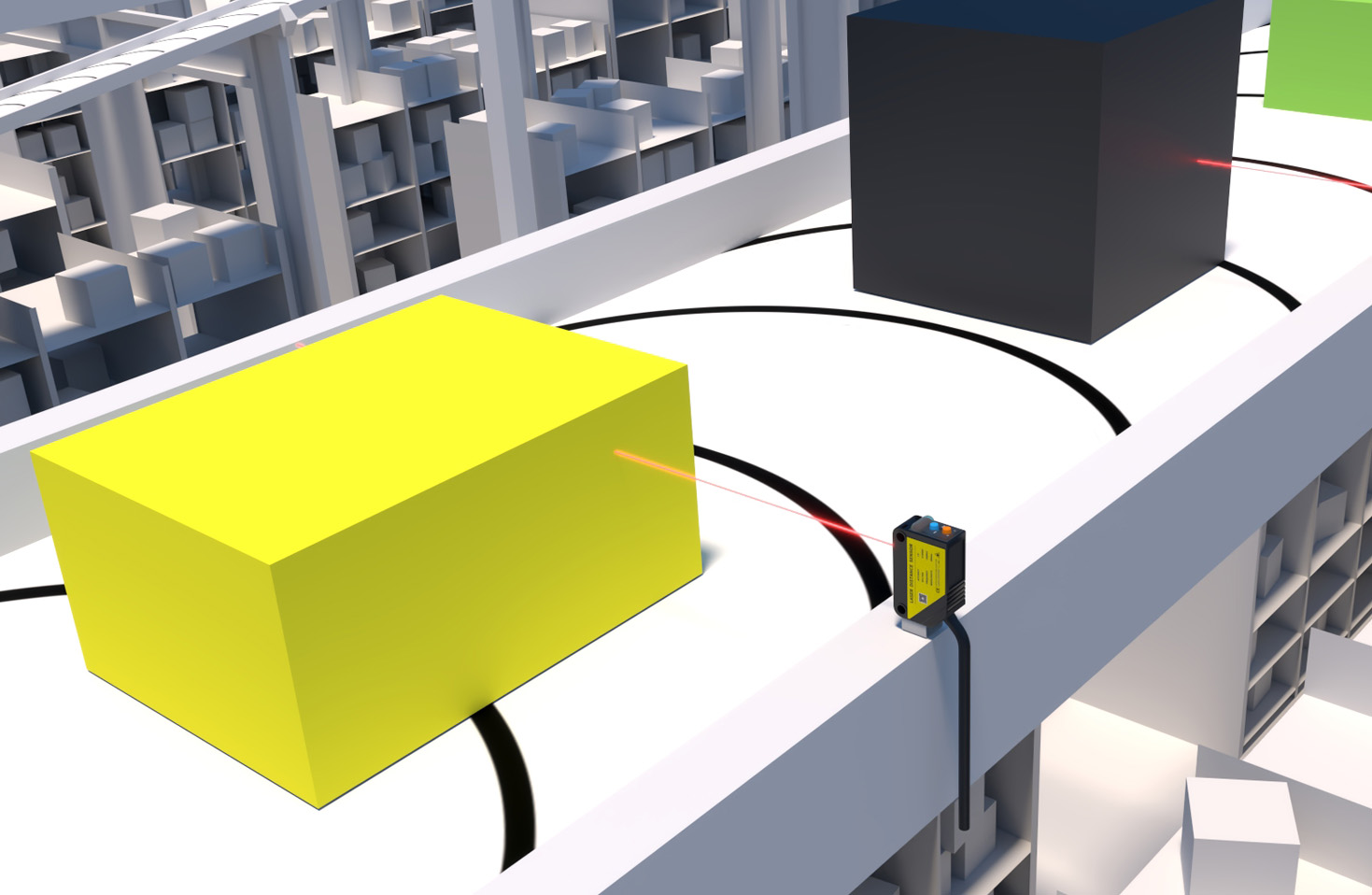
Cost is a persistent factor that can be prohibitive. High-precision laser sensors, especially those used for metrology, scientific research, or advanced LIDAR, involve complex optics, precise laser diodes, and sophisticated signal processing electronics. This makes them substantially more expensive than many alternative sensors, such as ultrasonic sensors, inductive proximity sensors, or even lower-resolution vision systems. For large-scale deployments, such as equipping a fleet of robots or an entire production line, the total cost of ownership can become a major barrier to adoption.
Furthermore, laser sensors often have a limited operational range relative to their physical size and cost. While they excel at short to medium-range precision, extending their range while maintaining accuracy and a small form factor is technologically challenging and expensive. For very long-range applications (e.g., satellite ranging or atmospheric monitoring), the systems become large, complex, and power-hungry. In contrast, radar technology can often cover longer distances more effectively in adverse weather, though with lower spatial resolution.

The complexity of integration and data processing should not be underestimated. A laser sensor is rarely a simple "plug-and-play" device. Integrating it into a larger control system requires expertise in optics, electronics, and software. The raw data from the sensor often requires significant filtering, calibration, and algorithmic processing to convert it into usable information. This demands computational resources and skilled personnel, increasing development time and lifecycle costs. Issues like multi-path interference, where the beam reflects off multiple surfaces before returning, can create ghost signals that are difficult to filter out algorithmically.
Finally, laser sensors can face limitations in dynamic environments. Measuring fast-moving objects requires sensors with very high response speeds and sampling rates. Not all laser sensors are designed for such high-speed applications, and those that are command a premium price. Additionally, the fixed nature of most laser beams (a single point or line) means they provide limited field-of-view data. To gain a broader spatial understanding, multiple sensors must be arrayed, or a scanning mechanism must be employed, both of which escalate complexity and expense.
In conclusion, while laser sensors offer unparalleled precision in many scenarios, their disadvantages are substantial and application-defining. Environmental vulnerability, target surface dependency, significant safety hazards, high cost, range limitations, integration complexity, and dynamic performance constraints are all critical factors. A thorough system design process must weigh these drawbacks against the advantages of technologies like ultrasonic, capacitive, or vision-based sensors. The optimal choice is seldom obvious and depends on a careful analysis of the operational environment, performance requirements, safety regulations, and total budget.