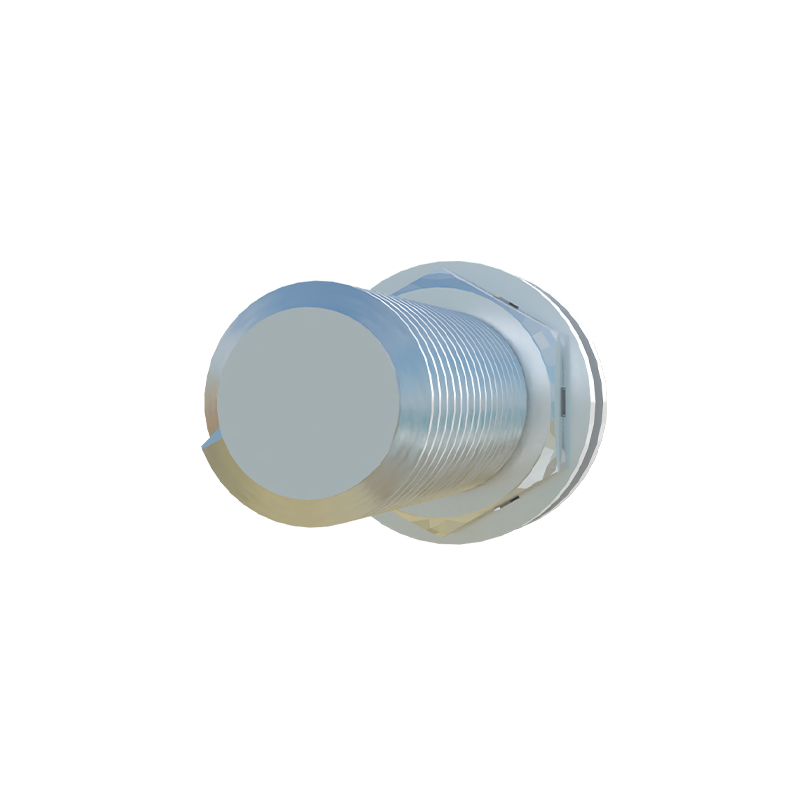
Magnetic proximity sensors are fundamental components in modern automation and control systems. They operate on a simple yet effective principle: detecting the presence or absence of a magnetic field, typically generated by a permanent magnet. Unlike other sensor types that require physical contact or direct line-of-sight, these sensors can function through non-magnetic barriers like plastic, glass, or aluminum, making them exceptionally versatile and robust in harsh environments. The core of their operation involves a reed switch or a solid-state Hall effect element. When a magnet approaches within a specified range, it triggers the sensor, causing it to change its output state, which is then interpreted by a connected controller.
There are two primary technologies dominating the market: reed switches and Hall effect sensors. Reed switches are mechanical devices consisting of two ferromagnetic reeds sealed within a glass tube filled with inert gas. When an external magnetic field is applied, the reeds magnetize, attract each other, and make contact, closing an electrical circuit. They are known for their simplicity, low cost, and ability to switch relatively high currents. However, they have limitations in switching speed, mechanical lifespan due to moving parts, and susceptibility to shock and vibration.
In contrast, Hall effect sensors are solid-state electronic devices. They generate a voltage difference (the Hall voltage) across an electrical conductor when a magnetic field is applied perpendicular to the current flow in the conductor. This voltage is then processed by integrated circuitry to provide a clean, digital, or analog output. Hall effect sensors offer significant advantages, including extremely high switching frequencies (into the hundreds of kHz), virtually infinite operational life (no moving parts), excellent resistance to shock and vibration, and the ability to provide not just on/off signals but also precise measurements of magnetic field strength. Modern Hall effect ICs often include built-in protection, signal conditioning, and various output types like NPN, PNP, or push-pull.
The choice between these technologies depends heavily on the application. Reed switches are often favored in cost-sensitive, low-speed applications like door and window security alarms, liquid level sensing in tanks, or simple limit switches in benign environments. Hall effect sensors are the go-to choice for demanding industrial automation tasks. You will find them extensively used in factory automation for position sensing of cylinders (piston rod detection), speed sensing on rotating shafts (by detecting passing gear teeth or encoder magnets), and end-of-travel detection on linear actuators. They are indispensable in the automotive industry for functions like wheel speed sensing for ABS, crankshaft/camshaft position sensing, and gearbox position detection. Other common applications include medical equipment, consumer electronics (e.g., laptop lid open/close detection), and robotics.
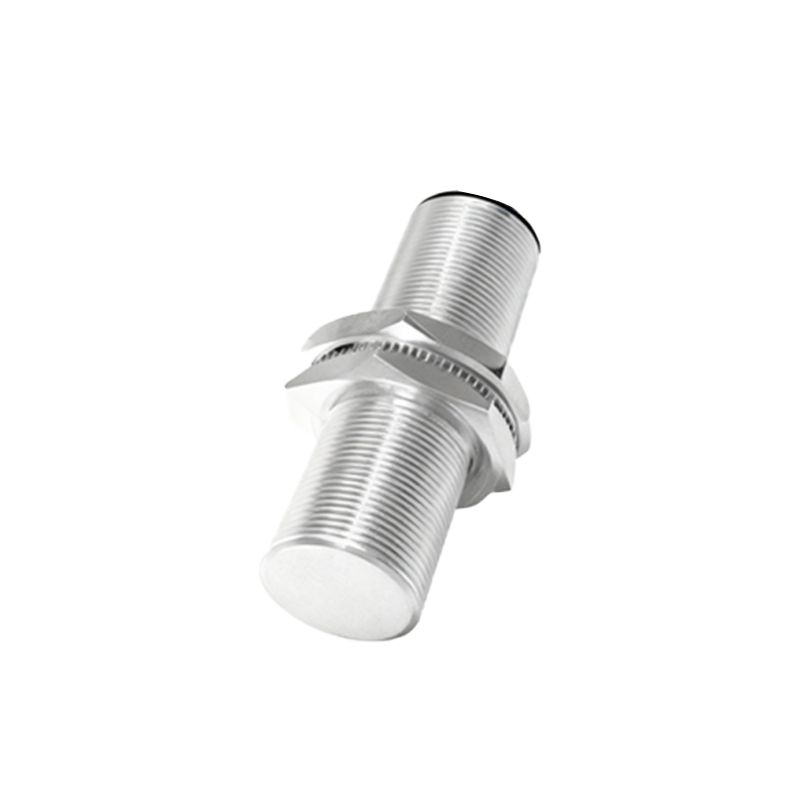
Selecting the right magnetic proximity sensor requires careful consideration of several key parameters. The sensing distance, or switch point, is critical and is always specified with a specific magnet size and strength. Never assume a sensor will work with any magnet. The electrical characteristics are equally important: supply voltage range, output type (sourcing/NPN or sinking/PNP), output current capacity, and whether the output is normally open (NO) or normally closed (NC). The housing material, typically nickel-plated brass, stainless steel, or PBT plastic, must be chosen to withstand the environmental conditions, including temperature extremes, exposure to chemicals, oils, or coolants. For washdown areas in food and beverage processing, sensors with high IP ratings (e.g., IP67, IP69K) are mandatory. Mechanical factors like size, mounting style (threaded barrel, flat-pack), and connector type also play a major role in integration.
Installation and alignment are crucial for reliable operation. The sensor and its target magnet must be aligned correctly, as the sensing distance is greatest along the central axis of the sensor face. Lateral misalignment or using an incorrect magnet can drastically reduce the effective sensing range. Engineers must also consider magnetic interference from nearby motors, solenoids, or other sensors, which can cause false triggering. Shielding or maintaining adequate distance is often necessary.
In summary, magnetic proximity sensors offer a reliable, contactless solution for position and presence detection. The evolution from reed switches to advanced Hall effect ICs has expanded their capabilities, making them smarter, faster, and more durable. By understanding the core technologies, primary applications, and critical selection criteria—sensing distance, output type, environmental rating, and target magnet specifications—designers and maintenance personnel can effectively integrate these robust sensors to enhance system reliability, safety, and efficiency across countless industries.