Apple's foray into laser sensing technology represents a significant leap in consumer electronics, merging high-precision engineering with intuitive user experiences. At its core, Apple's laser sensors, such as the LiDAR (Light Detection and Ranging) scanner found in recent iPad Pro and iPhone models, utilize time-of-flight principles. By emitting rapid pulses of invisible laser light and measuring the time taken for each pulse to reflect off surrounding objects, these sensors construct detailed depth maps of environments with remarkable accuracy. This technology enables advanced augmented reality (AR) applications, from immersive gaming and interactive shopping to professional design and architectural visualization, where virtual objects can be placed and manipulated in real-world spaces with unprecedented realism.
Beyond AR, Apple's laser sensors enhance computational photography and autofocus systems. In low-light conditions, the LiDAR scanner assists cameras by quickly calculating distances, resulting in faster focus times and improved portrait mode effects. This integration underscores Apple's holistic approach to hardware-software synergy, where sensor data is seamlessly processed by custom silicon like the A-series and M-series chips. The precision of these lasers, operating at nanometer-level wavelengths, ensures minimal interference and high reliability, even in challenging environments.
From an engineering perspective, the development of these sensors involves sophisticated miniaturization and power management. Apple's design prioritizes energy efficiency without compromising performance, a critical consideration for mobile devices. The sensors are typically integrated alongside other components like TrueDepth cameras and inertial measurement units, forming a cohesive sensing array. This multi-sensor fusion allows for robust environmental understanding, supporting features such as improved accessibility tools for visually impaired users through enhanced spatial awareness.
Looking ahead, the potential applications of Apple's laser sensing technology extend beyond current implementations. In automotive contexts, similar LiDAR systems are pivotal for autonomous vehicle navigation, suggesting possible future integrations in Apple's rumored automotive projects. In healthcare, precise depth sensing could aid in medical imaging or remote patient monitoring. Furthermore, smart home ecosystems might leverage these sensors for gesture control and spatial mapping, creating more intuitive interfaces.

However, challenges remain, including cost reduction, further miniaturization for wearable devices, and addressing privacy concerns associated with detailed environmental scanning. Apple's commitment to on-device processing mitigates some privacy risks, but ongoing innovation in secure data handling is essential. As the technology matures, we can expect broader adoption across Apple's product lineup and increased third-party developer engagement, driving new use cases.
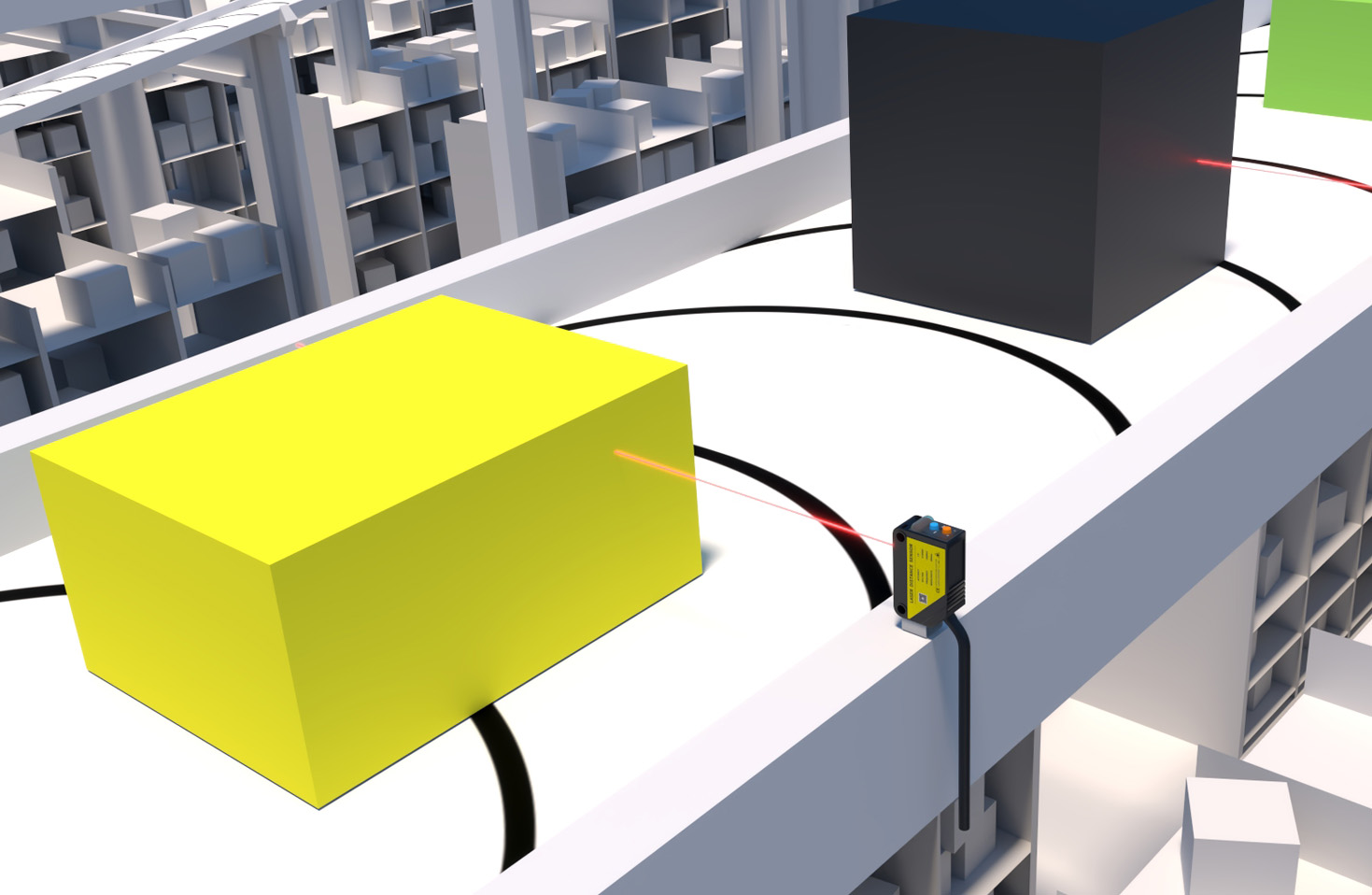
In conclusion, Apple's laser sensing technology exemplifies the convergence of precision engineering and user-centric design. By pushing the boundaries of what's possible with light-based sensing, Apple not only enhances existing products but also lays the groundwork for future innovations that could reshape industries. For engineers and tech enthusiasts, understanding these systems offers insight into the next wave of interactive computing, where digital and physical realms blend seamlessly.
