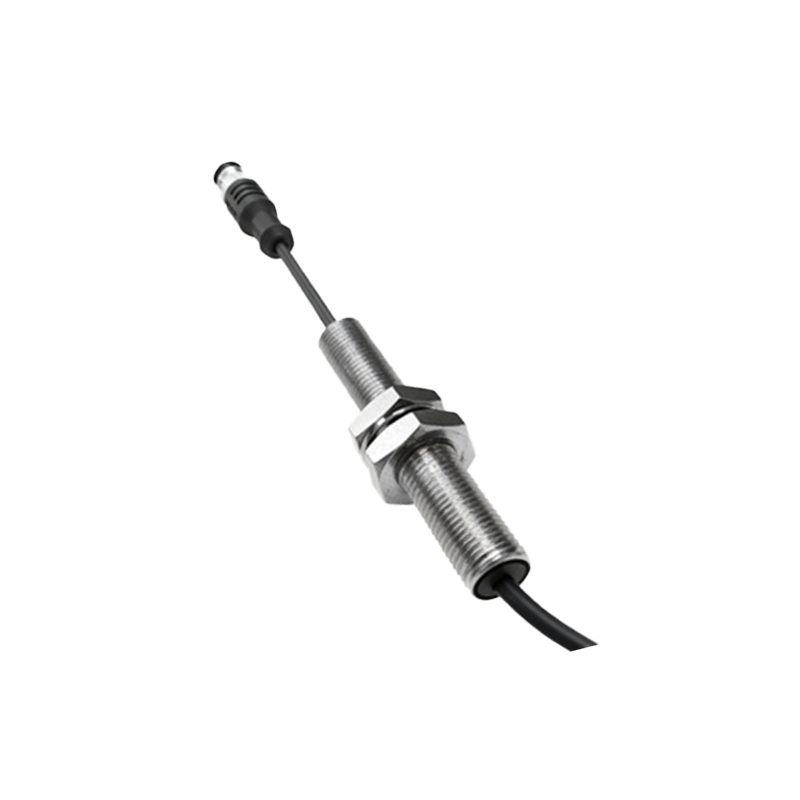
In the rapidly evolving field of robotics, proximity sensors stand as critical components that bridge the gap between mechanical movement and intelligent environmental interaction. These devices are engineered to detect the presence or absence of objects within a defined range without physical contact, thereby enabling robots to navigate, manipulate, and operate with heightened precision and safety. The integration of proximity sensors into robotic systems has fundamentally transformed automation across manufacturing, logistics, healthcare, and service industries, driving efficiency while mitigating risks associated with human-robot collaboration.
Proximity sensors operate on various principles, each tailored to specific applications and environmental conditions. Inductive sensors, for instance, are predominantly used for detecting metallic objects. They generate an electromagnetic field and monitor disturbances caused by conductive materials, making them ideal for industrial settings where metal parts are prevalent. Capacitive sensors, on the other hand, can detect both metallic and non-metallic objects, including liquids and plastics, by measuring changes in capacitance. This versatility allows for applications in material handling and packaging where diverse substances are present. Ultrasonic sensors emit sound waves and calculate distance based on the time taken for echoes to return, excelling in environments with dust, smoke, or varying light conditions. Meanwhile, optical sensors, such as infrared and laser-based variants, use light beams to ascertain object presence, offering high accuracy for tasks requiring fine-tuned positioning.
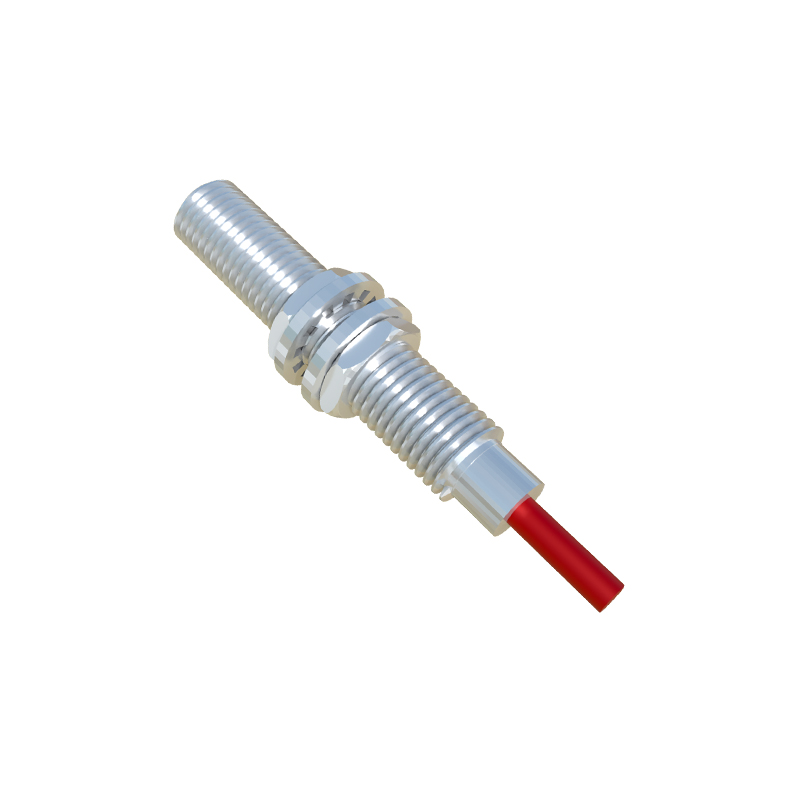
The selection of an appropriate proximity sensor hinges on multiple factors: detection range, response time, environmental resilience, and cost-effectiveness. In robotic arms employed for assembly lines, inductive or capacitive sensors ensure precise part placement and collision avoidance. Autonomous mobile robots (AMRs) often rely on ultrasonic and optical sensors to map surroundings and avoid obstacles in dynamic spaces like warehouses. For collaborative robots (cobots) working alongside humans, sensors with fast response times and fail-safe mechanisms are paramount to prevent accidents, adhering to stringent safety standards such as ISO 10218 and ISO/TS 15066.
Advancements in sensor technology continue to push the boundaries of robotic capabilities. The advent of smart sensors with integrated microprocessors allows for real-time data processing and adaptive behavior. These sensors can communicate via industrial protocols like IO-Link, enabling seamless integration with control systems for predictive maintenance and operational analytics. Furthermore, the miniaturization of sensor components facilitates their incorporation into compact robotic designs, expanding applications in micro-assembly and medical robotics. For example, in minimally invasive surgery, proximity sensors guide robotic instruments with sub-millimeter accuracy, enhancing procedural outcomes.
Despite their benefits, challenges persist in deploying proximity sensors. Environmental interference—such as electromagnetic noise affecting inductive sensors or ambient light disrupting optical sensors—can compromise reliability. Engineers must conduct thorough site assessments and implement shielding or filtering solutions to ensure consistent performance. Additionally, calibration and alignment are crucial for maintaining accuracy over time, especially in systems subject to vibration or thermal fluctuations. Regular maintenance and sensor fusion techniques, which combine data from multiple sensor types, are increasingly adopted to overcome these limitations and bolster robustness.
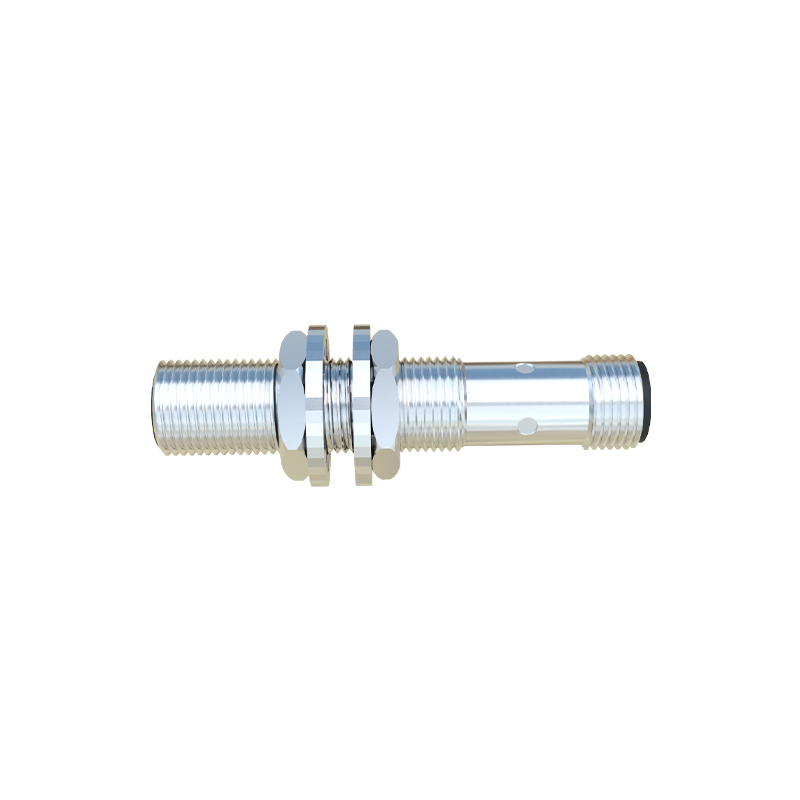
Looking ahead, the convergence of proximity sensors with artificial intelligence and machine learning heralds a new era of autonomous robotics. AI algorithms can interpret sensor data to predict object trajectories, optimize path planning, and enable adaptive grasping in unstructured environments. This synergy is pivotal for developing robots capable of complex tasks in agriculture, construction, and disaster response, where conditions are unpredictable. As Industry 4.0 and the Internet of Things (IoT) proliferate, proximity sensors will evolve into interconnected nodes within smart factories, contributing to fully automated, self-optimizing production ecosystems.
In summary, proximity sensors are indispensable to modern robotics, providing the sensory feedback necessary for safe, efficient, and intelligent operation. Their continuous innovation not only refines existing applications but also unlocks new possibilities for automation, underscoring their role as enablers of technological progress. For engineers and industry stakeholders, staying abreast of sensor developments is essential to harnessing the full potential of robotic systems in an increasingly automated world.