In the world of industrial automation and machinery design, the selection of an appropriate proximity sensor is a critical decision that directly impacts system reliability, efficiency, and safety. Proximity sensors, which detect the presence or absence of an object without physical contact, come in various technologies, each with distinct operating principles, advantages, and limitations. Understanding these differences is the first step toward making an informed choice.
The primary technologies include inductive, capacitive, ultrasonic, and photoelectric sensors. Inductive proximity sensors are the most common in metal detection applications. They generate an electromagnetic field and react to ferrous and non-ferrous metals entering this field. Key advantages are their robustness, high switching frequency, and immunity to environmental factors like dust, oil, or moisture. They are ideal for positioning metal parts in assembly lines, counting metallic objects, or as end-position detectors in cylinders. However, their sensing range is relatively short, typically up to 60 mm, and they cannot detect non-metallic materials.
Capacitive proximity sensors can detect both metallic and non-metallic materials, including liquids, plastics, wood, and granules. They function by measuring changes in capacitance caused by a target entering their electrostatic field. This makes them versatile for applications like level detection in tanks, material handling of non-metals, or detecting filled containers. They are sensitive to environmental changes such as humidity and temperature, which may require careful calibration.
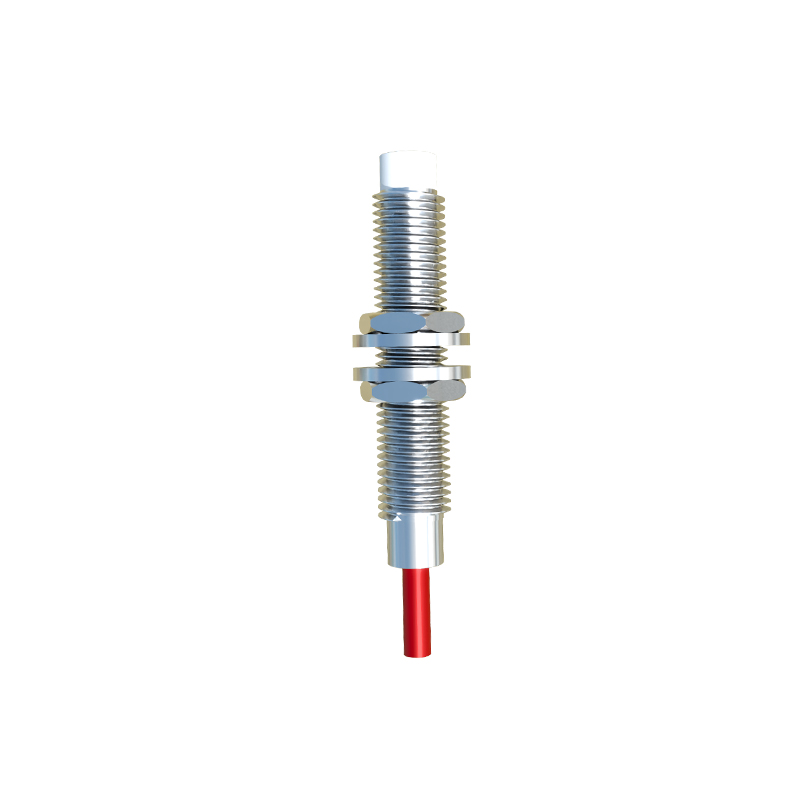
Ultrasonic sensors use sound waves beyond human hearing to measure distance or detect objects. They emit ultrasonic pulses and calculate the time taken for the echo to return. This technology is excellent for precise distance measurement, transparent object detection (where photoelectric sensors may fail), and applications involving harsh environments with dust, steam, or light interference. They are commonly used in parking assistance systems, liquid level control, and robotic palletizing. The trade-offs include a slower response time compared to inductive sensors and potential inaccuracies due to temperature variations affecting sound speed.
Photoelectric sensors operate by emitting a light beam (visible, infrared, or laser) and detecting its reflection or interruption. They offer the longest sensing ranges, sometimes exceeding 100 meters, and can detect virtually any material. Types include through-beam, retro-reflective, and diffuse reflective models. Through-beam sensors, with separate emitter and receiver, provide the highest reliability and range for precise detection tasks. Diffuse sensors are compact and suitable for detecting objects at shorter ranges. Photoelectric sensors are prevalent in packaging, material handling, and safety light curtains. Their performance can be compromised by environmental factors like dirt, ambient light, or highly reflective surfaces.
Beyond technology, several key parameters must be evaluated during selection. Sensing distance, often specified as the nominal range, should have a safety margin (typically 70-80% of nominal) to account for target variations and installation tolerances. The target material, size, and shape directly influence sensor performance. For instance, a small or thin metal target may require a reduced sensing distance for an inductive sensor.
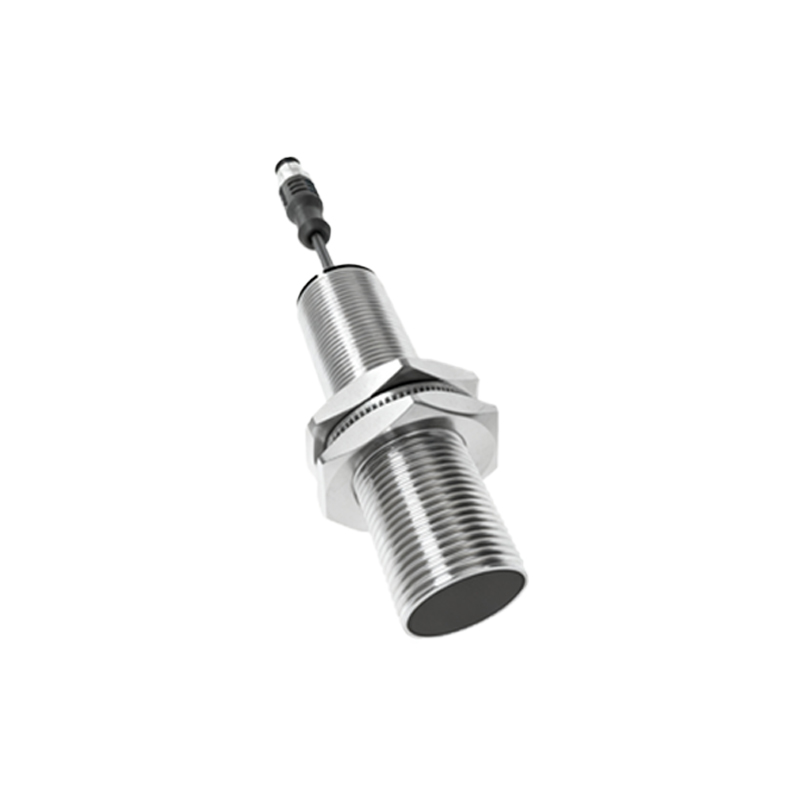
Environmental conditions are paramount. Consider temperature extremes, potential exposure to chemicals, washdown requirements (IP ratings like IP67 or IP69K for harsh environments), and electrical noise in the area. The sensor's housing material (e.g., stainless steel, PBT plastic) must withstand these conditions.
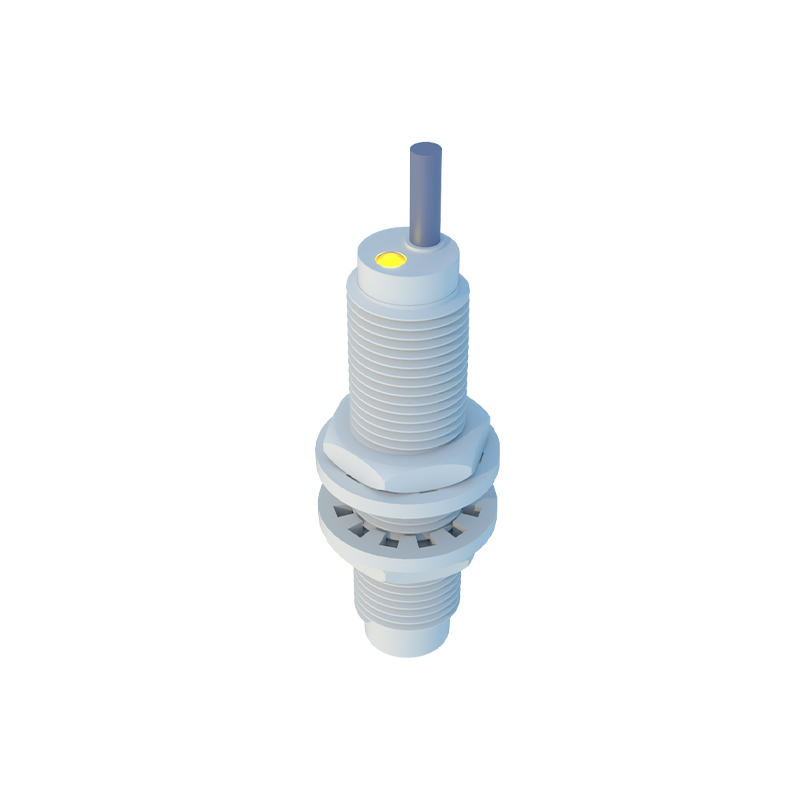
Electrical characteristics include the output type (PNP/NPN, analog, IO-Link), supply voltage range, and current rating, which must be compatible with the control system (PLC). Switching frequency defines how quickly the sensor can respond, crucial for high-speed applications. Physical mounting constraints, such as space limitations and required sensing direction (axial or lateral), also dictate the choice of sensor form factor (barrel, rectangular, or ring-shaped).
Finally, consider smart features and connectivity. Modern sensors with IO-Link capability provide valuable diagnostic data, such as operating hours, temperature warnings, or signal strength, enabling predictive maintenance and reducing downtime. While initially more costly, they can offer significant long-term savings through improved process transparency and reliability.
In conclusion, there is no universal "best" proximity sensor. The optimal selection is a balance of technical specifications, environmental demands, application requirements, and total cost of ownership. A thorough analysis of the detection task, target properties, and operating environment will guide engineers toward a reliable and cost-effective solution, ensuring seamless integration and long-term performance in any automated system.