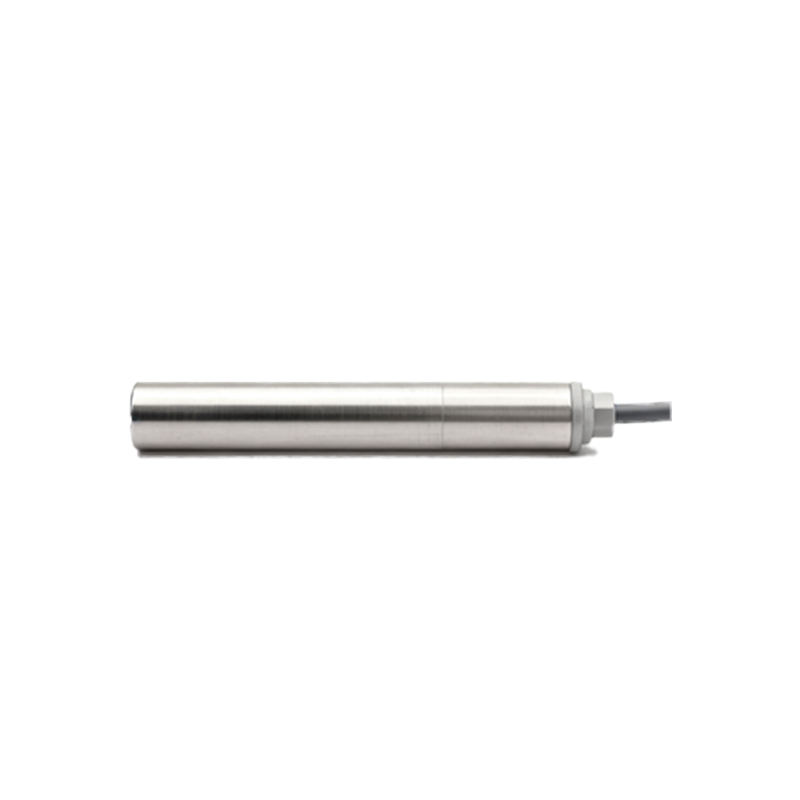
Photoelectric proximity sensors are widely used in industrial automation for non-contact detection of objects. These sensors operate based on the modulation of light, typically infrared or visible, to sense the presence, absence, or distance of targets without physical contact. The core principle involves emitting a light beam from a transmitter and analyzing the reflected or interrupted light received by a receiver. Depending on the design, photoelectric sensors can be categorized into three main types: through-beam, retro-reflective, and diffuse-reflective sensors.
Through-beam sensors consist of separate transmitter and receiver units placed opposite each other. The transmitter emits a continuous or pulsed light beam toward the receiver. When an object passes between them, it interrupts the beam, causing the receiver to detect a change in light intensity and trigger an output signal. This configuration offers high reliability and long sensing ranges, often exceeding 10 meters, making it suitable for applications like conveyor belt monitoring or safety barriers.
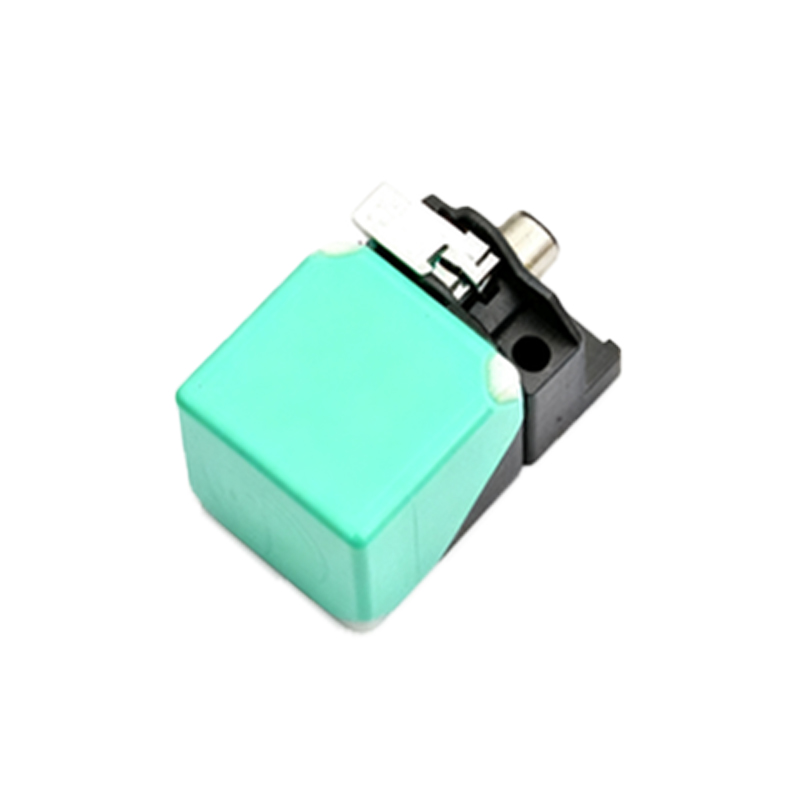
Retro-reflective sensors integrate both transmitter and receiver into a single housing. The emitted light beam is directed toward a reflector, which bounces it back to the receiver. When an object interrupts the path between the sensor and reflector, the receiver notes the absence of reflected light and activates the output. These sensors are easier to install than through-beam types, as they require only one wiring point, but their range is typically shorter, up to 5 meters. They are commonly used in packaging machinery and door control systems.
Diffuse-reflective sensors, also known as proximity sensors, have the transmitter and receiver in one unit but do not require a separate reflector. Instead, they rely on the light reflected directly from the target object. The sensor emits light, and if an object is within range, some light scatters back to the receiver. The detection range depends on the object's size, color, and surface texture, with typical ranges from a few centimeters to 1 meter. These sensors are ideal for detecting objects on production lines or in robotic arms, where space is limited.
The internal circuitry of photoelectric sensors converts light signals into electrical outputs. A light source, often an LED or laser diode, generates the beam, while a phototransistor or photodiode acts as the receiver. When light hits the receiver, it generates a current proportional to the intensity. This signal is processed by an amplifier and comparator to filter ambient light interference and set detection thresholds. Modern sensors may include microcontrollers for advanced functions like background suppression or time-of-flight measurements, enhancing accuracy in challenging environments.
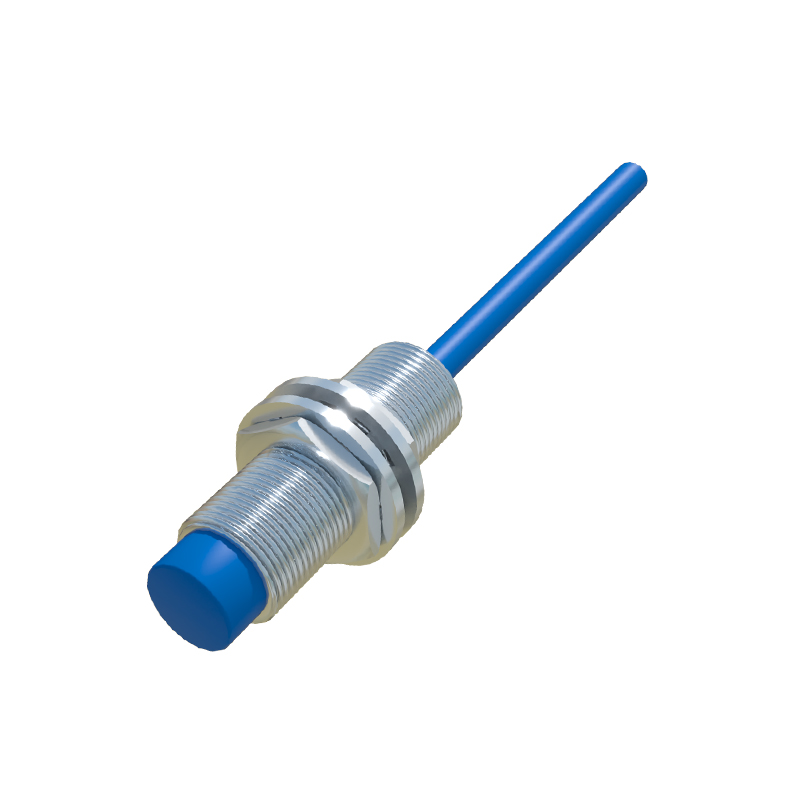
Key factors influencing sensor performance include response time, sensing distance, and environmental conditions. Dust, fog, or bright ambient light can affect reliability, so many industrial sensors feature housings with IP ratings for protection. Additionally, wavelength selection—such as using infrared to reduce visible light interference—improves stability. Applications span manufacturing, automotive, and logistics, from counting products to positioning robotic tools. By offering fast, precise detection without wear, photoelectric proximity sensors are essential for efficient automation systems.