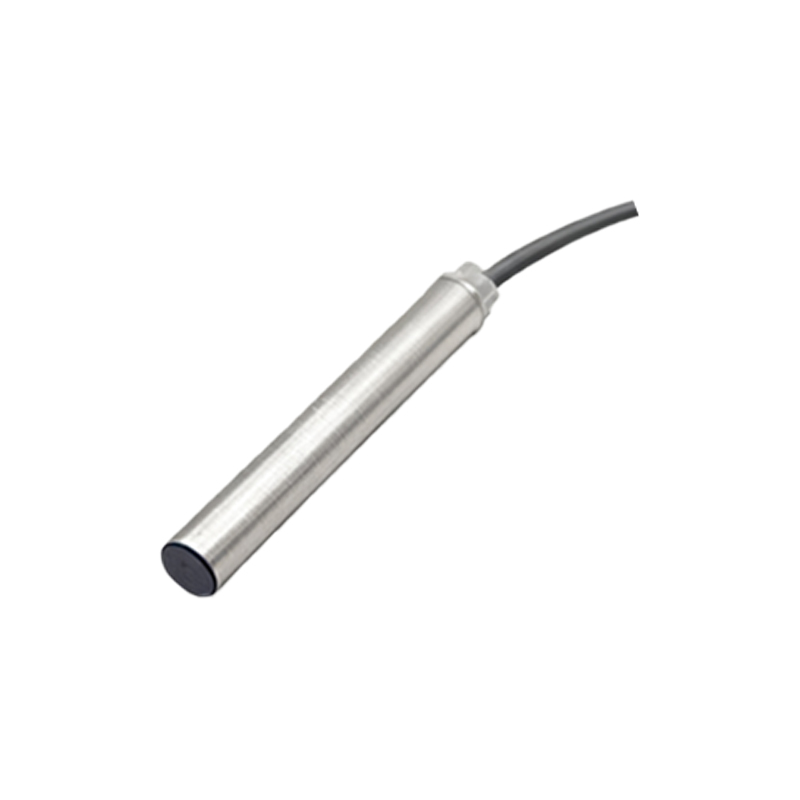
In the intricate world of industrial automation and smart technology, a class of devices operates silently yet indispensably, enabling precision, safety, and efficiency. These are proximity sensors, the fundamental components that detect the presence or absence of objects without any physical contact. Their applications span from the assembly lines of massive automotive plants to the delicate circuits of consumer electronics, making them a cornerstone of modern engineering.
At their core, proximity sensors function by emitting an electromagnetic field or a beam of electromagnetic radiation (such as infrared light), and then monitoring for changes in the field or return signal. The primary types include inductive, capacitive, ultrasonic, and photoelectric sensors, each tailored for specific materials and environmental conditions. Inductive sensors, for instance, are champions in metal detection, widely used in machining and robotic positioning. Capacitive sensors, on the other hand, can detect a broader range of materials, including liquids and plastics, making them ideal for level sensing and packaging. Ultrasonic sensors excel in distance measurement and object detection in challenging environments, while photoelectric sensors offer high-speed, long-range detection capabilities.
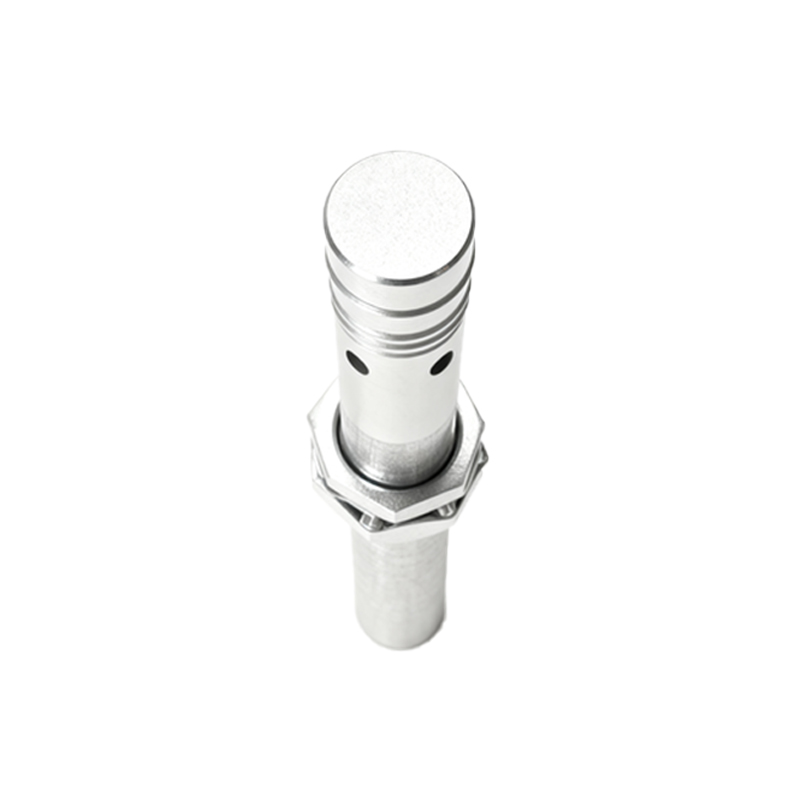
The selection of a proximity sensor is a critical engineering decision, hinging on factors such as sensing range, response time, environmental robustness (resistance to dust, moisture, and temperature extremes), and output type (e.g., NPN, PNP, analog, or IO-Link). Modern advancements have led to sensors with enhanced intelligence, featuring self-diagnostic capabilities, adjustable parameters, and seamless integration with Industrial Internet of Things (IIoT) platforms. This connectivity allows for predictive maintenance, reducing downtime and optimizing production flows.
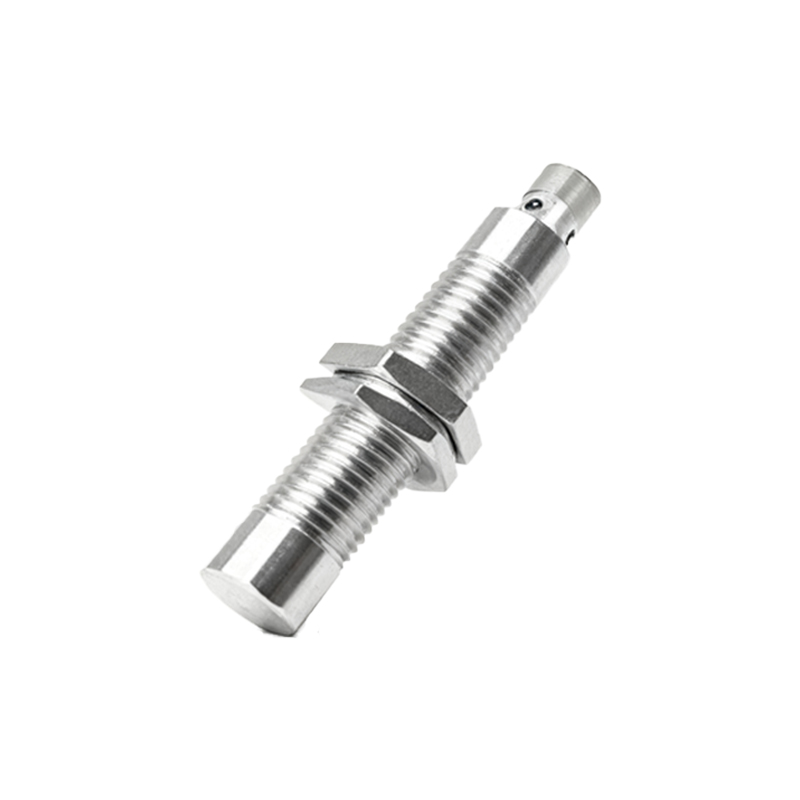
In practical applications, the value of proximity sensors is immense. In automotive manufacturing, they ensure robotic arms weld and assemble components with millimeter accuracy. In food and beverage processing, capacitive sensors monitor fill levels in containers without contamination risk. Within smart buildings, they enable energy-saving lighting and climate control by detecting occupancy. Even everyday devices like smartphones and tablets incorporate miniature proximity sensors to disable touchscreens during calls.
Despite their reliability, engineers must navigate challenges like sensor interference, material compatibility, and installation precision. Proper shielding, correct mounting, and thorough environmental testing are paramount to ensure consistent performance. The future points toward miniaturization, higher frequency responses for faster detection, and increased integration of AI for smarter decision-making at the edge.
Ultimately, proximity sensors represent a perfect blend of physics, electronics, and practical engineering. They are not merely components but enablers of automation, safety systems, and intelligent device interaction. As industries stride toward greater autonomy and connectivity, the role of these sensors will only become more pivotal, solidifying their status as essential tools in the engineer's arsenal.