Capacitive proximity sensors have become a cornerstone in modern industrial automation, offering a unique and highly reliable method of non-contact object detection. Unlike their inductive counterparts, which are limited to sensing metallic objects, capacitive sensors can detect a vast array of materials, including liquids, plastics, glass, wood, and granular substances. This versatility stems from their fundamental operating principle: they detect changes in capacitance.
The sensor generates an electrostatic field. When any object with a dielectric constant different from air enters this field, it causes a measurable change in the sensor's capacitance. An internal circuit monitors this change and triggers a switching output when a preset threshold is reached. This mechanism allows them to "see through" certain non-metallic containers to detect the level of materials inside, a common application in liquid and bulk solid processing.
So, are they useful? The answer is a resounding yes, particularly in applications where other sensor types fail. Their primary utility lies in material versatility. On a packaging line, they can reliably detect the presence of cardboard boxes, plastic bottles, or foil wrappers without adjustment. In the food and beverage industry, they are indispensable for level detection of liquids like milk, juice, or oils inside non-metallic tanks or pipes, preventing overfills and run-dry conditions. They excel in detecting transparent films or very thin materials that optical sensors might miss due to clarity or reflectivity issues.
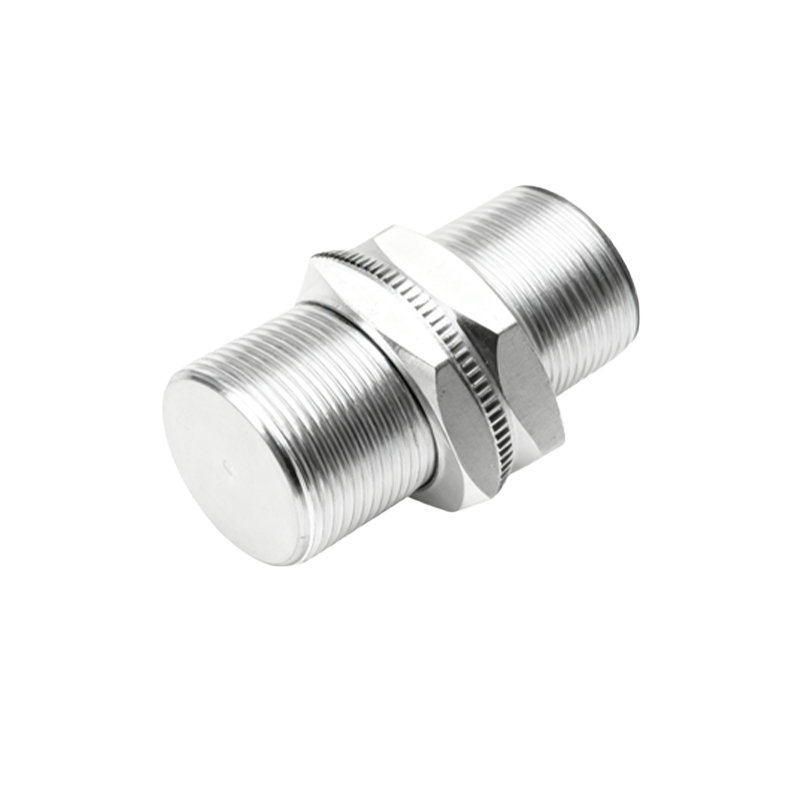
Another significant advantage is their insensitivity to environmental factors like dust, light, or sound. While not inherently waterproof, many are well-sealed and can operate reliably in dirty or humid conditions where photoelectric sensors could be blinded by dust or condensation. Their robust sensing field is less affected by target surface color or reflectivity, providing consistent performance.
However, their greatest strength—sensitivity to a wide range of materials—is also a key consideration. They can be susceptible to unwanted triggering from environmental changes, such as moisture buildup on the sensor face or fluctuations in ambient humidity. Proper installation and shielding are critical. The sensing distance is also generally shorter than that of ultrasonic or some photoelectric sensors and is highly dependent on the target material's dielectric constant. A plastic pellet might be detected at 10mm, while the same sensor could detect water at 25mm.
Typical industrial applications showcase their usefulness:
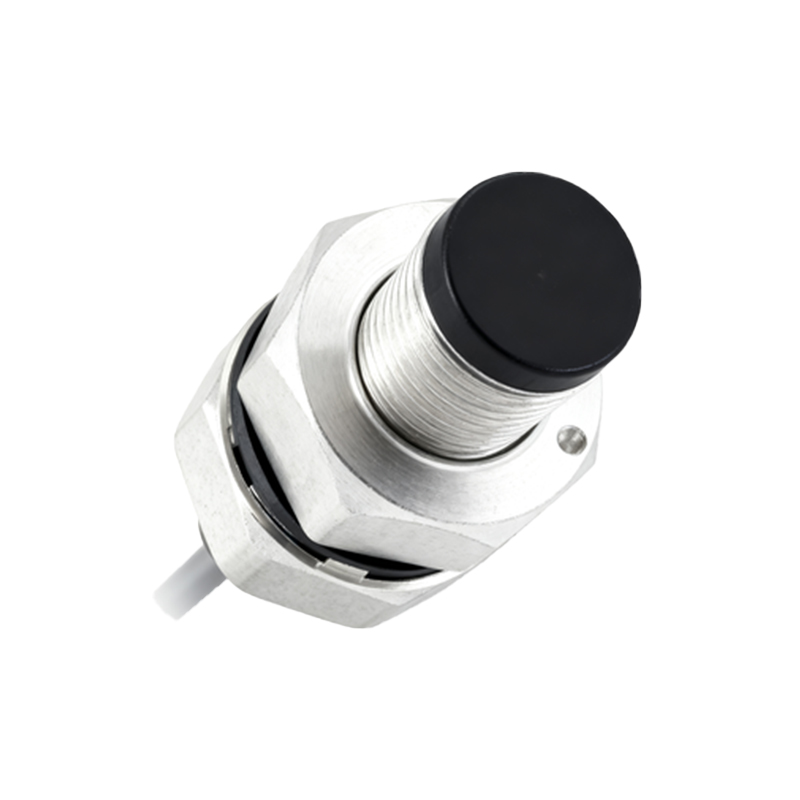
Level Control: Monitoring powder, granules, or liquids in silos, hoppers, and tanks.
Presence Detection: Verifying the existence of non-metallic parts, such as plastic caps, gaskets, or wooden blocks on assembly lines.
Fill Level Inspection: Checking the fill height in bottles or containers, often through the container wall.
Breakage Detection: Sensing the absence of a continuous material like cable insulation or plastic film.
When selecting a capacitive sensor, engineers must consider the target material, required sensing distance, container wall thickness (if applicable), and the electrical noise environment. Calibration via a potentiometer is standard, allowing sensitivity adjustment to ignore the container wall and sense only the material inside or to tune out environmental interference.
In conclusion, capacitive proximity sensors are not just useful; they are often the optimal or only solution for challenging detection tasks involving non-metallic materials or specific environmental conditions. Their reliability, material diversity, and robustness make them an essential tool in the automation engineer's arsenal. While they require careful application engineering to mitigate false triggers, their unique capabilities solve problems that other sensing technologies cannot, justifying their critical role in complex industrial systems.