Inductive proximity sensors are essential components in modern industrial automation, providing non-contact detection of metallic objects. Proper installation is critical to ensure reliable operation, longevity, and safety. This guide outlines key considerations and best practices for installing inductive proximity sensors in various industrial environments.
First, select an appropriate sensor based on the application requirements, including sensing distance, target material, and environmental conditions. Standard inductive sensors detect ferrous metals like steel and iron at their nominal sensing range, while non-ferrous metals such as aluminum or copper may require reduced sensing distances. Ensure the sensor’s housing material (e.g., stainless steel, PBT plastic) is compatible with the operating environment to resist factors like moisture, chemicals, or mechanical stress.
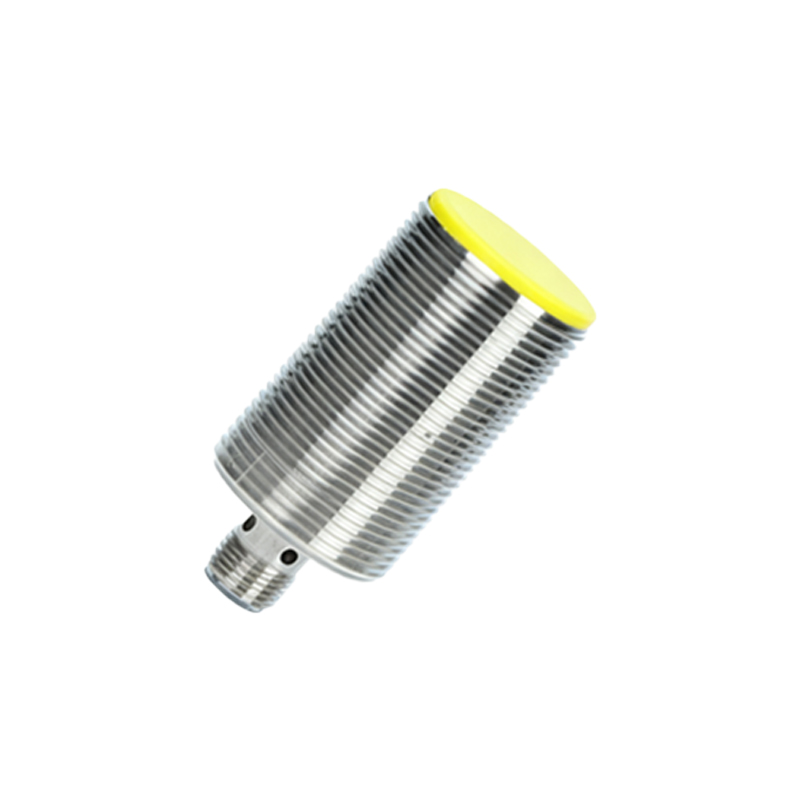
Mounting the sensor correctly is fundamental. Maintain the recommended sensing distance between the sensor’s active face and the target object. Avoid mounting sensors too close to metal surfaces other than the target, as this can cause interference or false triggering. For cylindrical sensors, use appropriate mounting brackets or nuts to secure them firmly, preventing vibration-induced misalignment. Flush-mountable sensors can be installed level with metal surfaces, while non-flush types require a clearance zone free from surrounding metal to operate effectively.
Wiring must adhere to electrical standards and the manufacturer’s specifications. Typically, inductive sensors have three or four wires for DC models (brown for +V, blue for 0V, black for output) and two wires for AC models. Use shielded cables in electrically noisy environments to minimize electromagnetic interference. Route cables away from high-voltage lines, motors, or frequency inverters to prevent signal distortion. Ensure proper grounding and connect the shield to ground at the controller end only, avoiding ground loops.
Environmental protection is crucial for sensor durability. In harsh conditions, such as areas with dust, coolant, or extreme temperatures, choose sensors with suitable IP (Ingress Protection) ratings—for example, IP67 for water and dust resistance. Avoid exposing sensors to direct mechanical impact or excessive vibration; if necessary, use protective housings or dampening mounts. Regularly clean the sensor face to prevent buildup of contaminants like metal chips or oil, which can reduce sensing performance.
Alignment and testing are final steps to verify installation. Position the sensor so that the target approaches perpendicularly to the active face for optimal detection. After installation, conduct functional tests by moving the target through the sensing range and monitoring the output signal via an indicator or PLC. Adjust the sensor’s position if the response is inconsistent. For applications involving fast-moving targets, consider the sensor’s response time and switching frequency to ensure it matches the process speed.
In summary, successful installation of inductive proximity sensors involves careful selection, precise mounting, proper wiring, and environmental considerations. Following these guidelines helps maximize sensor accuracy, reduce downtime, and enhance system efficiency in industrial automation setups.